
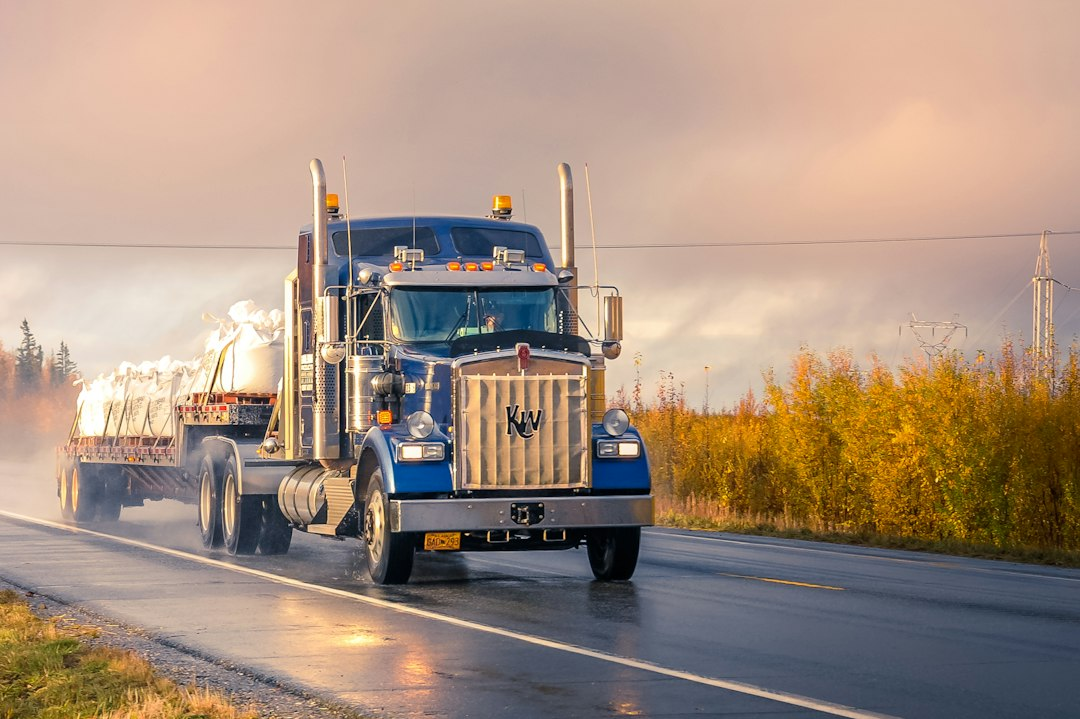
Picture Marcus, a warehouse supervisor driving home to Baton Rouge before sunrise after a night shift. He merges onto I-10 and settles in behind a semi hauling tires. Nothing looks unusual until he pulls alongside it at a red light and sees the driver’s seat is empty. No one is behind the wheel, and until this week, that emptiness was a real gap in driverless truck safety.
That truck belongs to Kodiak, a driverless trucking company. Weigh stations exist to catch trucks that are overloaded or poorly maintained before they hurt someone. That system has always relied on a driver handing over paperwork. Take the driver out, and inspectors had no clean way to check anything. Kodiak and PrePass, the network that runs safety checks at more than 580 sites across North America, just closed that gap.
Starting September 21 in Texas and Louisiana, a Kodiak truck now sends its inspection data straight to state enforcement systems before it ever reaches the scale. A trained safety officer still reviews the data and still decides whether the truck rolls through or pulls in. The truck just doesn’t need a person inside it to make that happen.
Why Driverless Truck Safety Needed This Fix
Most driverless-truck headlines focus on the tech inside the cab. This one matters more, because it fixes what happens outside it, at the roadside, where every other vehicle on the highway has a stake in the outcome. Kodiak CEO Don Burnette put it simply:
“Launching driverless service is not just about building technology. It’s about building a solution that works in the real world.”
PrePass CTO Chas Wurster made the same point from the infrastructure side, telling FreightWaves that “the next barrier to scaling driverless trucking isn’t inside the truck. It’s the infrastructure around it.” A truck that skips inspection isn’t progress. A truck that still gets checked, just faster, is.
What It Saves You, Even If You Never See a Kodiak Truck
PrePass’s bypass network has already processed more than a billion inspections and saved fleets an estimated $12 billion by keeping compliant trucks moving instead of idling in line, according to Kodiak’s announcement. That’s money that would otherwise get folded into the price of whatever those trucks are carrying, from furniture to groceries to the tires on the next car someone buys.
A few numbers worth sitting with:
- 580+ inspection sites now able to receive this data
- 1 billion+ bypasses already processed through PrePass’s network
- $12 billion in estimated fleet savings to date
Fold driverless trucks into that system instead of routing around it, and the savings keep compounding instead of resetting every time a truck has nobody inside to talk to an inspector. Kodiak’s commercial partners already include IKEA, Bridgestone, and Werner Enterprises. This isn’t a hypothetical fleet somewhere down the road. It’s freight that’s probably already sitting in someone’s living room or garage right now.
The Road Ahead
Kodiak is targeting fully driverless long-haul runs by the end of 2026, building on the safety milestone its trucks already passed earlier this year. Aurora’s driverless trucks are putting up similar mileage gains on comparable routes, and Heavy Duty Trucking’s coverage notes this same inspection gap will need solving state by state. Watch whether other states adopt PrePass’s system as fast as Texas and Louisiana did. That pace will tell you how soon this reaches the highway you actually drive.
Next time you pass a truck with nobody in the driver’s seat, you’ll know it already stopped at a scale, even if you never saw it happen.