
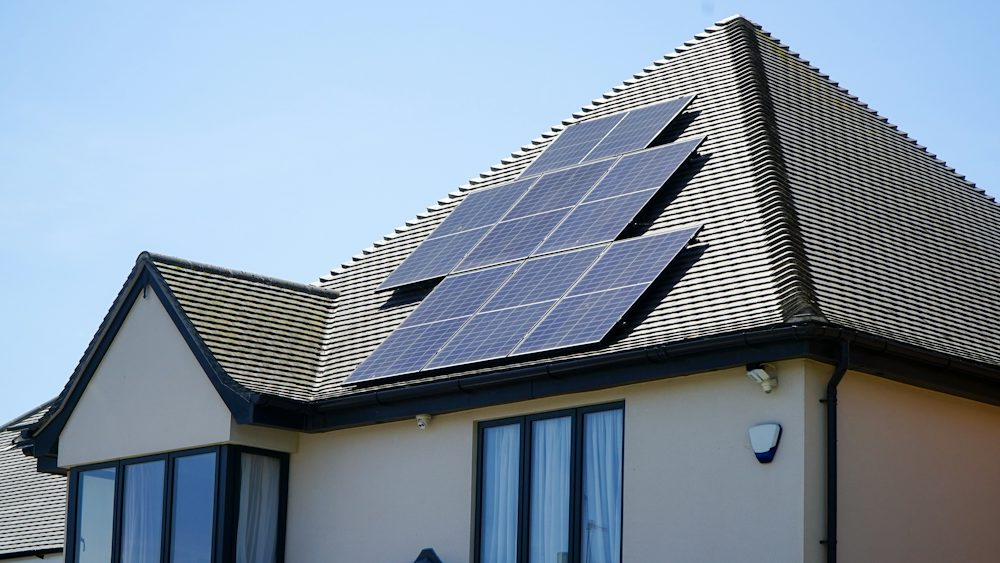
Austin Energy’s Power Partner Battery program just got bigger. On November 16, the city-owned utility announced that Enphase home batteries now qualify, the fifth brand added to a pilot that pays Austin residents for letting the utility tap their stored power on the hottest days of the year. That brings the eligible lineup to Tesla, SolarEdge, FranklinWH, Generac and Enphase. The pilot launched in March with just two of those brands, so this update roughly triples the pool of homeowners who can sign up without buying new equipment.
“Homeowner interest in battery storage has climbed dramatically in recent years, shifting many homes from simply consuming energy to also storing, optimizing and potentially contributing that energy back to the grid,” said Richard Génecé, Austin Energy’s vice president of customer energy solutions.
A Fifth Battery Brand Joins the Lineup
Power Partner Battery pays customers for letting the utility draw stored power from their home battery during up to 40 short events a year, usually on the hottest summer afternoons when the grid is under the most strain. The idea is simple: instead of building another power plant for a handful of peak hours a year, pay people who already own batteries to lend theirs out.
A virtual power plant, as Austin Energy describes it, links home batteries, smart thermostats and EV chargers so they act together like one power source. Enphase owners can now enroll through a dedicated signup page, the same way Tesla, SolarEdge, FranklinWH and Generac customers already do.
What You Can Actually Earn
The program pays in two ways, according to Austin Energy’s official program page:
- Upfront rebate: $500 for any battery that passed the utility’s final inspection and received Permission to Operate on or after February 18, 2025. The check arrives by mail within one to two billing cycles.
- Annual performance payment: $75 per kilowatt of average output delivered during Power Partner events, paid once a year, 8 to 10 weeks after the season ends.
Austin Energy’s own example puts a Tesla Powerwall’s annual payout at roughly $324, assuming a 20 percent reserve and 2.5-hour events. The utility describes typical yearly earnings as averaging more than $300. A solar system is not required. Customers can enroll as many eligible batteries as they own, with no cap on the number per household.
Who Qualifies, and Who Doesn’t
Enrollment requires an Austin Energy account, a battery installed inside the utility’s service territory, and a system used strictly for residential purposes. Installation has to go through a participating contractor, and the battery has to come from one of the five approved manufacturers.
Two groups are shut out, at least for now. Batteries owned or operated by a third party, the kind offered through some solar leases, do not qualify. Neither do batteries from Base Power, a separate Austin-based company that leases its own units directly to residents under a different arrangement with the utility.
Power Partner Battery Is Still a Pilot
- Austin Energy has called Power Partner Battery a pilot since its March launch, and the program’s original rollout documents capped it at 1,500 approved systems. The utility’s November announcement doesn’t say whether that cap still applies now that Enphase has joined.
- As of August, according to reporting by The Cool Down, which cited the Austin American-Statesman, roughly 150 customers had enrolled, covering about 2 megawatts of capacity, well short of the 1,500-system target.
- Payments depend on a battery staying connected to the internet and discharging on command. A battery that loses its connection or can’t discharge when called on will see its incentive reduced.
- Austin Energy hasn’t said when, or whether, it will decide to make the pilot permanent.
The home battery push is one piece of a larger bet Austin Energy is making on storage. Texas grid-scale battery storage hit a record 13.3 gigawatts this summer, and Austin Energy has signed multi-hundred-million-dollar contracts for grid-scale battery projects on top of the home battery pilot, according to the utility’s vice president of energy market operations, as reported by The Cool Down. The home program is smaller, but it works the same basic logic: banked power that’s ready when the grid needs it most.
Why It Matters to You
- If you already own, or are about to buy, a Tesla, SolarEdge, FranklinWH, Generac or Enphase home battery in Austin Energy’s service area, you can now apply for both a $500 check and an ongoing yearly payment without changing anything about how you use power day to day.
- Renters and homeowners alike qualify, as long as the account is in their name and the battery isn’t leased from a third party.
- The benefit is real money, but it’s not guaranteed income. Payments depend on your battery’s size, how many events happen each year, and whether your system stays online and responsive.
- If your battery is leased through a solar company or through Base Power, this particular program isn’t open to you yet.
Frequently Asked Questions
Do I need rooftop solar to enroll in Power Partner Battery?
No. Austin Energy’s program page says a solar system is not required to install a battery or to enroll it in Power Partner Battery. Customers with grid-charged batteries and no solar panels can still participate.
Will my battery run out of backup power during an event?
Austin Energy says Power Partner events won’t drain a battery below its owner-set backup reserve level, and systems typically recharge fully within 24 hours. Customers can also override and opt out of individual events through their battery’s app, though Enphase systems only allow opting out up to five minutes before an event starts.
Sources
- City of Austin: Austin Energy Power Partner Program expands Virtual Power Plant (Nov. 16, 2026)
- American Public Power Association: Austin Energy Power Partner Program expands Virtual Power Plant (Nov. 16, 2026)
- Austin Energy: Power Partner Battery program page, eligibility and incentive details
- The Cool Down: In Texas, Austin Energy locks in 300 megawatts of batteries as brutal heat strains the grid (Aug. 13, 2026)