
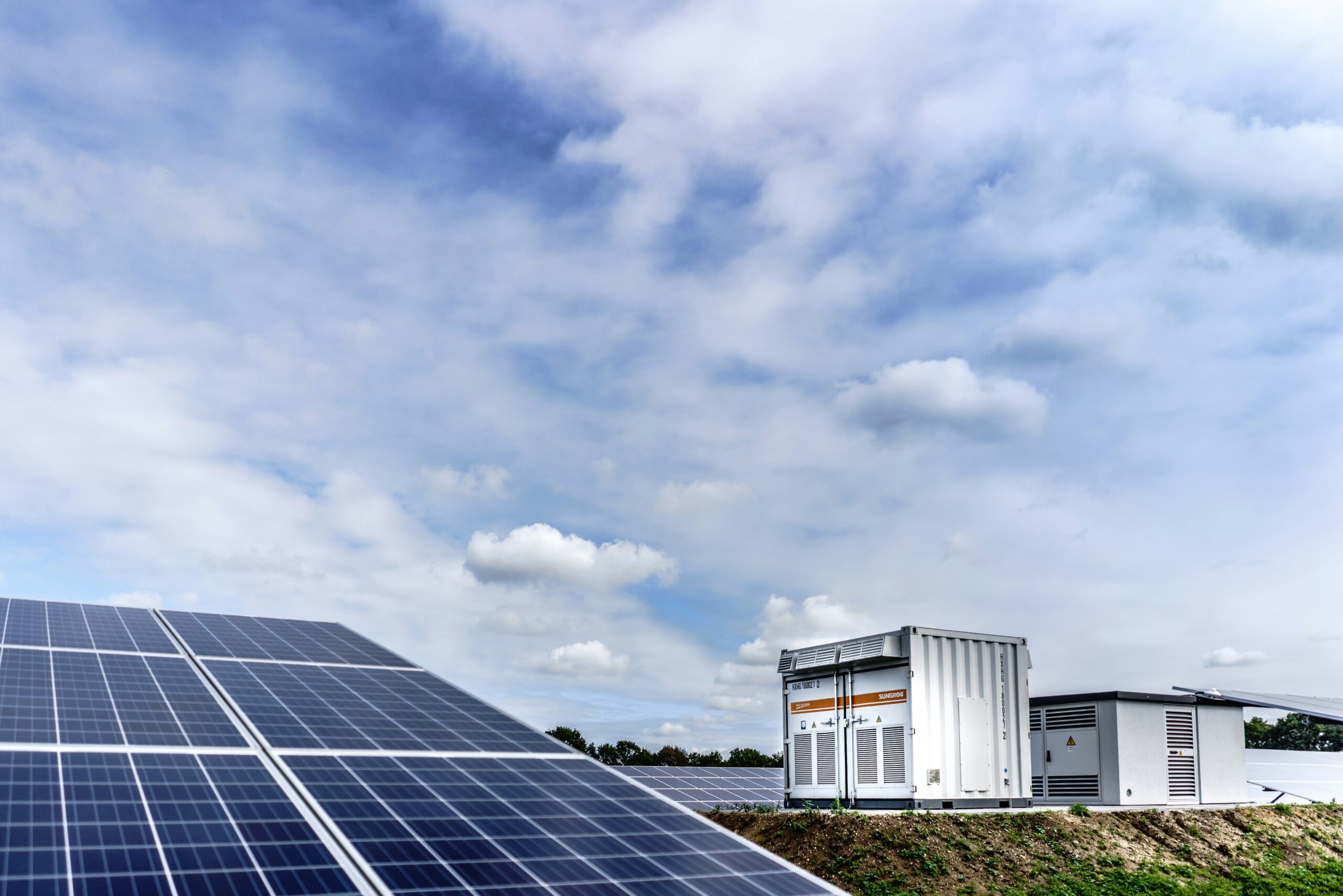
Texas just finished its hottest summer on record, and the power grid barely broke a sweat. Grid batteries deserve the credit. Texas grid battery storage discharged a record 13,256 megawatts on August 23, 2026. That happened exactly when the heat pushed air conditioners into overdrive. For millions of homeowners and renters, the payoff is simple: stable bills and no rolling blackouts. That’s one less thing to worry about during a heat wave.
Compare that to 2023. Grid operator ERCOT issued six conservation appeals that August. Families had to raise their thermostats and skip the dishwasher during peak hours. This year ERCOT asked for zero. Batteries now charge cheaply during sunny afternoons. They discharge each evening, right when solar power fades and demand climbs.
How Texas grid battery storage stopped the price spikes
The clearest proof shows up in wholesale prices. At 7:50 p.m. one Monday this summer, real-time power cost $125 per megawatt-hour. That same hour in 2023 would have cost close to $5,000 per megawatt-hour — a 40-fold difference. Utilities eventually pass wholesale swings on to customers, so flat prices protect the average Texan’s monthly bill. July’s typical residential bill landed at $252, up just 2.3% from a year earlier, during a summer that broke heat records.
ERCOT has now installed nearly ten times more battery capacity than the Midwest, Great Plains, and Southeast grids combined. That buildout didn’t happen by accident. Developers keep adding storage because it pays for itself fast. They charge batteries when solar power is cheap and abundant. Then they sell that power back a few hours later — right when everyone gets home and switches on the air conditioning.
What a boring grid summer means for real families
A grid that doesn’t panic during a heat wave keeps hospitals running. It keeps insulin cold and keeps kids safe from heat stroke, all without asking anyone to sacrifice. Fewer emergency alerts also mean fewer gas peaker plants firing up on bad air days. That matters for anyone managing asthma or caring for a newborn. A predictable summer bill matters just as much. It helps renters and homeowners budget in a year when everything else keeps getting pricier.
The technology itself isn’t exotic. Lithium-ion batteries sit in shipping-container-sized units next to solar farms. They soak up sunlight and release it on demand. What changed is scale. Wisconsin is running the same playbook: its new mix of solar, wind, and battery projects is on track to power 100,000 homes. That storage flattens the same kind of price spikes that used to hit Texans hardest.
None of this erases the need for a bigger, more resilient grid. Battery investors are already grumbling that abundant capacity is squeezing their profit margins. That’s an odd complaint when the alternative is customers paying emergency prices. Millions of people made it through a record-hot summer without a single forced blackout or thermostat plea. Protecting your power bill with proven technology beat the alternative by a wide margin. Read the original reporting at Heatmap News for the full numbers behind this story.
Texas just proved something simple: pair solar with batteries, and a punishing summer turns boring. In the energy world, boring is the best compliment there is.