
Picture Aisha, a ramp agent who starts her shift at 4:30 a.m. Her badge gets her through the gate, but the walk from the staff lot to the tarmac eats fifteen minutes in the cold. A shuttle used to swing by every twenty minutes, whenever a driver was free. This month, Zurich Airport switched on a driverless airport shuttle that runs those same routes with nobody behind the wheel. That sounds small. For the people who keep planes moving before sunrise, it isn’t.
What Changed: Zurich’s Driverless Airport Shuttle Runs Alone
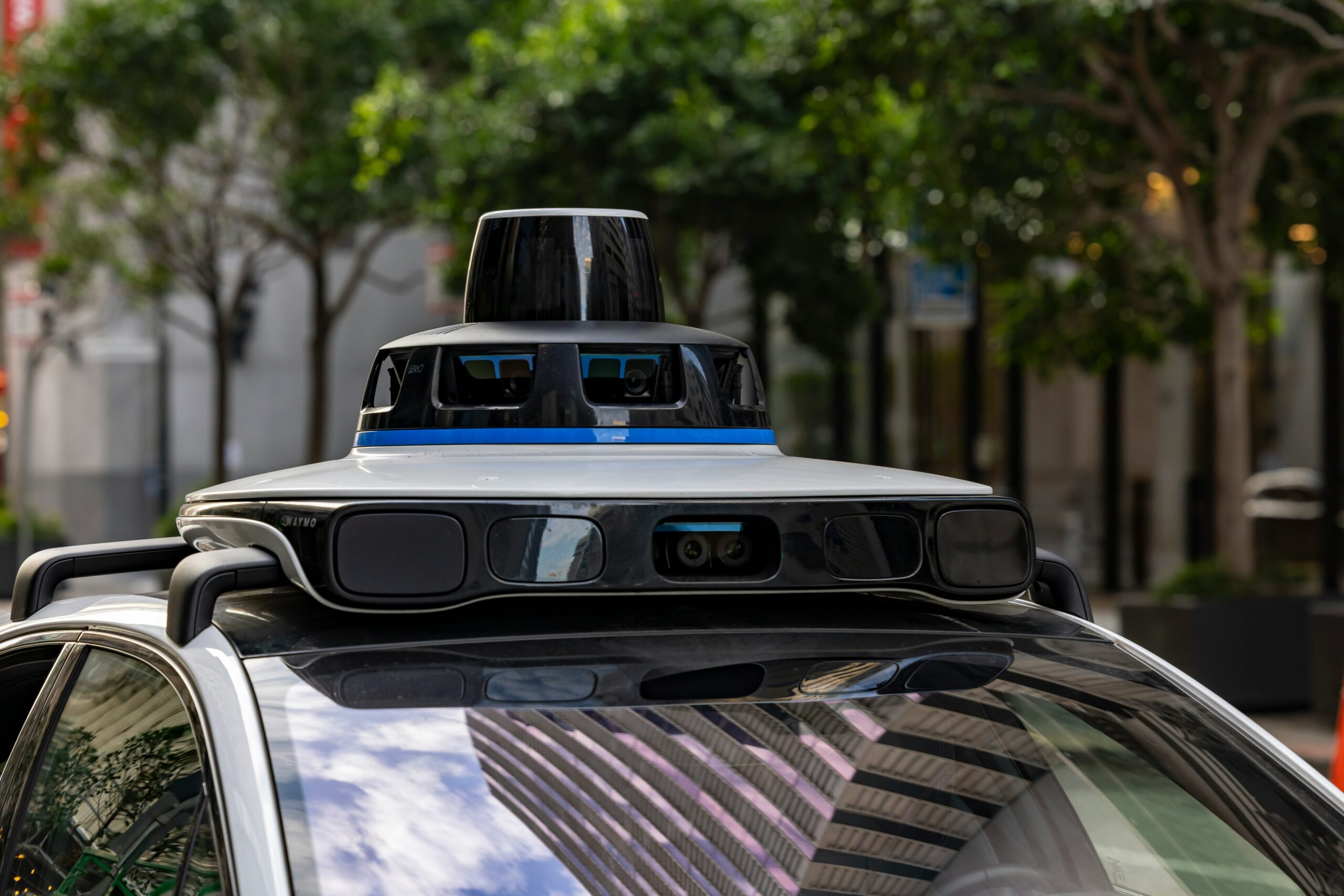
Flughafen Zürich, the airport’s operator, announced that it teamed up with WeRide and the Swiss Transit Lab to pull the safety driver out of two electric shuttle buses. The vehicles now drive themselves between the staff entrance at Gate 101 and the maintenance area at Gate 130, a route that never crosses a runway or taxiway. Since testing began in March 2025, the shuttles have logged more than 15,000 kilometers. A remote operator watches from a control room and can step in if something looks wrong. Nobody sits up front anymore.
That’s a real jump. Most self-driving trials still keep a person in the seat “just in case.” Zurich is one of the first airports in Europe to drop that requirement entirely, as Electrek reported after the switch went live.
Why Ground Crews Come Out Ahead
Airports everywhere are short on drivers. Coralie Klaus Boecker, who leads the airport’s innovation hub, said automation “can make an important contribution… given the emerging shortage of skilled workers.” That shortage is real. When a shuttle driver calls in sick, ground crew wait longer, or a supervisor pulls someone off baggage duty to drive instead.
A driverless shuttle doesn’t call in sick. One remote monitor can watch several buses at once, so more vehicles can run without hiring more drivers. For Swissport and Krummen Kerzers workers who ride this route daily, the people who load bags, de-ice wings, and run catering trucks, that adds up:
- Shorter waits: one operator overseeing multiple shuttles means routes run more often than every fifteen to twenty minutes.
- Fewer fatigue risks: an automated system doesn’t get drowsy on a 4 a.m. shift, a genuine hazard on a dim, busy ramp.
- More coverage elsewhere: drivers freed from shuttle duty can fill gaps in an operation that’s already stretched thin.
“Automated driving does not mean that people disappear. But the tasks change,” said Raphaël Glaesener, Senior Innovation Manager at Zurich Airport.
What This Could Save, and What Comes Next
A full-time shuttle driver in Switzerland earns roughly 60,000 francs a year, about $70,000. If one remote operator can now cover buses that used to need a driver each, the airport can redirect that money toward other short-staffed ground jobs, instead of raising fees that land on ticket prices later. That’s the quiet math behind most automation stories.
Uber and WeRide just won Spain’s first robotaxi permit in Madrid, and Washington state is piloting self-driving rides for rural residents and people with disabilities. Zurich’s piece is narrower but useful: a live safety record on a controlled route, the kind regulators want before approving anything closer to the public. EU regulators estimate wider use of driverless vehicles could prevent seven in ten fatal road crashes, saving thousands of lives a year. Proving grounds like this one are where that case gets tested first.
Watch what happens when the pilot runs through the end of 2026. If Zurich’s safety record holds, the next driverless routes worth watching won’t just carry ground crews between hangars. They’ll carry the rest of us between the curb and the gate.