
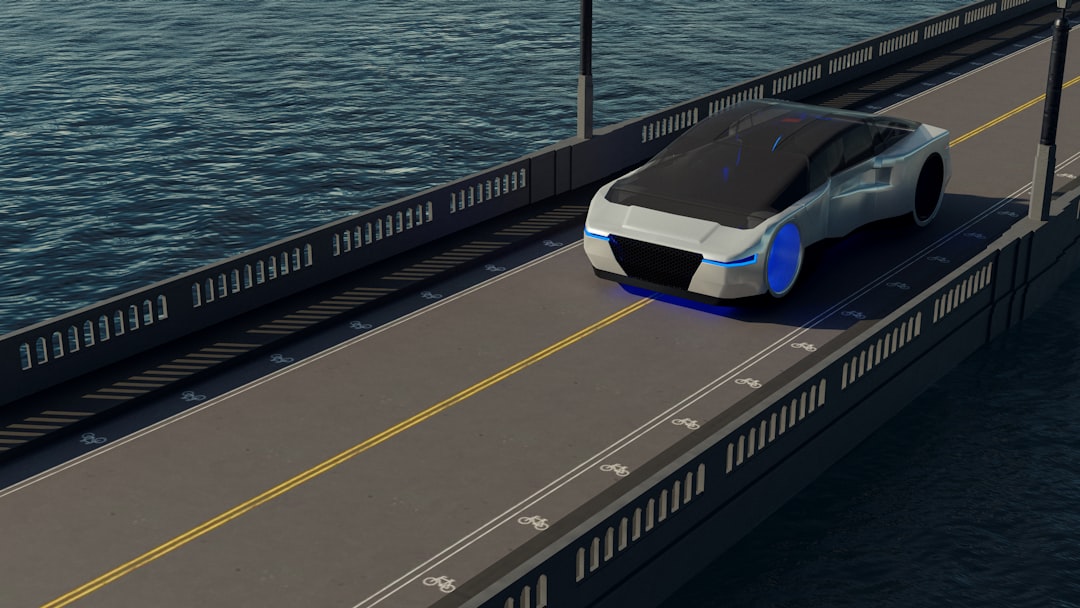
On August 20, 2026, the Nevada Transportation Authority (NTA) approved autonomous vehicle network applications from Tesla, Waymo, and Aviari Services. Together they can deploy up to 7,000 fully autonomous vehicles in Clark County, which includes Las Vegas, during each company’s first 12 months after its permit is issued. That’s Clark County only, not the whole state.
A separate limit also fell. An NTA permit had capped Zoox, the robotaxi company owned by Amazon, at 100 robotaxis in the state. TechCrunch reported on September 17 that the permit expires on September 25, 2026, which removes the cap. An NTA official and a Zoox spokesperson confirmed the change to TechCrunch.
Why It Matters to You
If you live in or visit Las Vegas, more robotaxi options are on the way, but not overnight. Companies must meet state conditions first, and today’s fleets are small: Waymo opened Las Vegas service in early September with “dozens” of vehicles. Zoox says it plans to grow its fleet over the next several months. Nothing in the sources says rides will be cheaper or waits shorter, because companies submit their rates to the NTA before offering public rides. Taxi and gig drivers are the people most likely to feel the change.
Who got what, and on what terms
| Company | Maximum vehicles (first 12 months) | Source |
|---|---|---|
| Tesla Robotaxi, LLC | 5,000 | Nevada Dept. of Business and Industry |
| Waymo LLC | 1,000 | Nevada Dept. of Business and Industry |
| Aviari Services, LLC | 1,000 | Nevada Dept. of Business and Industry |
TechCrunch’s report on the same vote lists the third approval as Uber’s, which would operate robotaxis through partners Motional and Zoox. TechCrunch does not use the name Aviari, and the state release does not name Uber. The link between Aviari and Uber is our inference from the matching 1,000 figure, not a confirmed fact.
Zoox holds its own permit, which TechCrunch does not count in the 7,000. It also already had federal permission to scale: NHTSA’s commercial exemption covers up to 2,500 vehicles per year for two years, because the vehicle has no steering wheel or pedals. A Zoox spokesperson said the company plans to “steadily increase the size of its robotaxi fleet over the next several months to meet the high demand in Las Vegas and other markets.” Zoox has not said how many vehicles it will add.
The state release attaches conditions:
- Operations must begin within 120 days after permits are issued.
- Companies must provide vehicle inspection documentation, maintain required insurance, and submit rates to the NTA before offering public rides.
- They must follow requirements on accessibility, nondiscrimination, receipts, and reporting, report crashes, keep inspection and repair records, and give first responders a 24-hour emergency contact.
- Changes to the operating area or operating parameters need prior NTA approval.
- The approved area includes Harry Reid International Airport, but companies need authorization from the Clark County Department of Aviation to serve it.
Reading the numbers
Permit totals are ceilings, not fleets. Tesla’s Cybercab chief engineer called the 5,000 “a ceiling” and said Tesla would be happy to reach about 2,500, “maybe a bit higher,” in a year (TechCrunch), so 7,000 is not a forecast. The 100-vehicle Zoox cap was a legal limit, not its actual fleet: TechCrunch says Zoox has about 100 robotaxis across four U.S. cities, mostly in Las Vegas and San Francisco, and a tracker estimates more than 30 in Las Vegas, which Zoox has not confirmed and we could not verify. Waymo’s Las Vegas area is 23 square miles (TechCrunch, Sep 17), so real competition is still small. The approvals say nothing about fares or waits, Zoox has not published wait-time data, and no source we opened measures a safety effect for Las Vegas or supports claims that robotaxis would ease Strip traffic. The Livery Operators Association argues the approvals move too far and too fast and raised oversaturation and congestion concerns in the Golden Triangle area. On jobs, supporters expect new maintenance and cleaning roles, while critics say taxi and gig drivers could lose work (TechCrunch).
Quick answers
Are 7,000 robotaxis on the road now?
No. 7,000 is the combined maximum over 12 months, and companies must meet the conditions first. Real fleets are far smaller.
Did the Zoox cap actually expire?
TechCrunch reported on September 17 that it would expire on September 25. We did not find a later report confirming the date passed without changes.
Sources
- Nevada Department of Business and Industry: Nevada Transportation Authority Approves Autonomous Vehicle Network Applications for Tesla, Waymo and Aviari (Aug 21, 2026)
- TechCrunch: Tesla, Uber, and Waymo all get the OK to operate thousands of robotaxis in Nevada (Aug 20, 2026)
- TechCrunch: Amazon-owned Zoox’s 100-robotaxi limit in Nevada is about to disappear (Sep 17, 2026)
- Motor1: Zoox Can Start Charging For Steering Wheel-Free Robotaxis In Las Vegas (accessed Oct 13, 2026)