
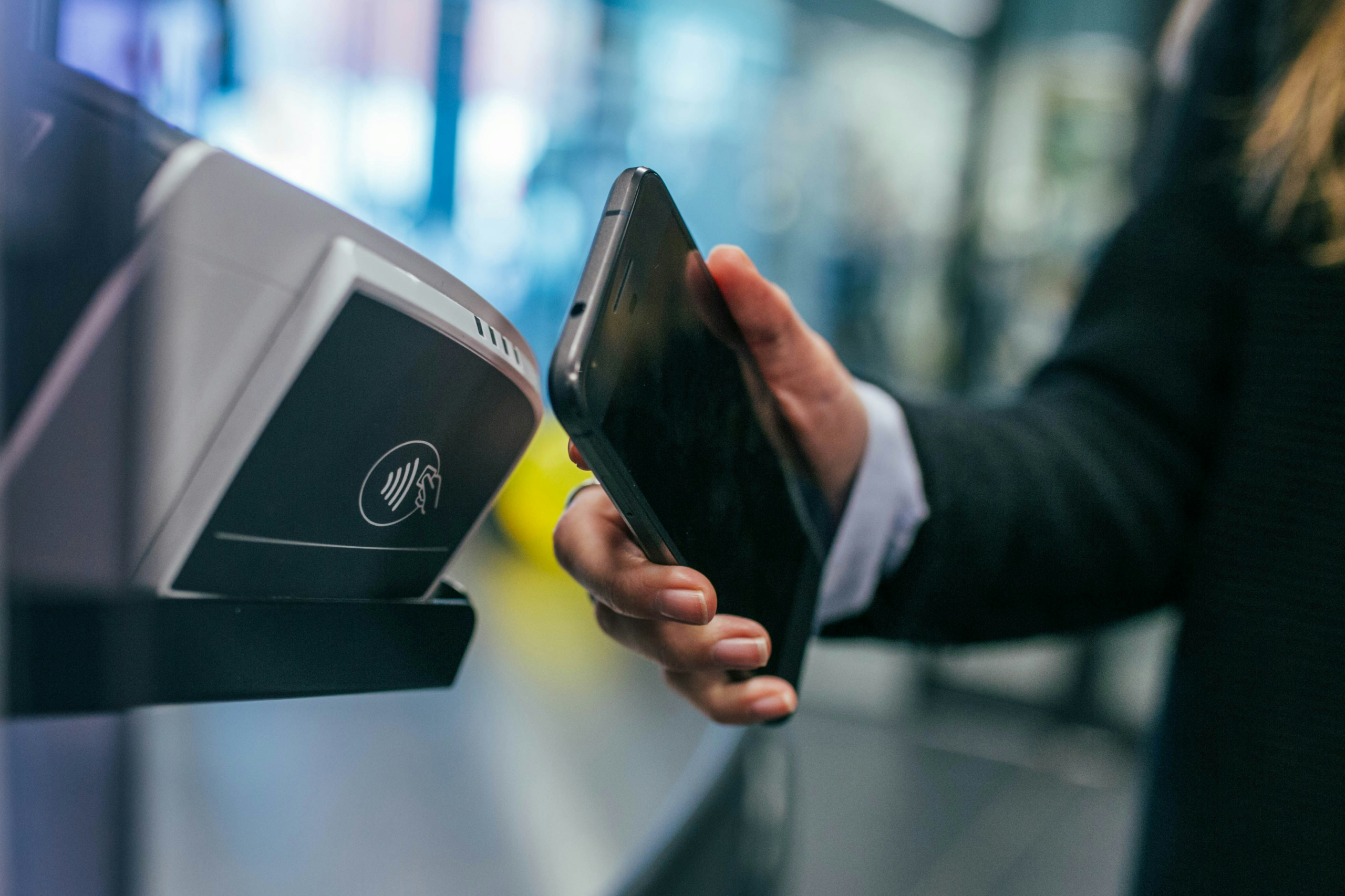
Meera works overnight shifts as a home health aide in Cincinnati, Ohio. Every other Friday, she sends part of her paycheck to her parents in Kerala, India. That trip through a remittance counter costs her a flat fee and two to four days of waiting before her mom can touch the money. Soon, she might skip that whole errand and send it straight from the banking app already on her phone.
Zelle just gave people like Meera a reason to hope. Early Warning Services runs Zelle for seven of the biggest US banks. It announced a new dollar-backed stablecoin called ZelleUSD, or ZLUSD, and Zelle stablecoin remittances are its plan for moving dollars abroad, not just across town. The first market it will serve is India, the single largest destination for money sent home by workers abroad, with launch expected before the end of 2026.
A Faster Way to Send Money Home
Here’s the part that matters for real families. Zelle already sits on 150 million phones through more than 2,400 US banks and credit unions. It moved $1.2 trillion domestically last year alone. Instead of downloading a separate remittance app, verifying your identity again, and loading money onto yet another account, you would send money to India the same way you already send $40 to a roommate for pizza.
CEO Cameron Fowler put it simply:
“We believe international payments are at a similar inflection point, and we are expanding to meet consumer demand.”
That inflection point is real. Apps like World Money have already made some international transfers free and nearly instant, and Zelle wants that same speed inside the bank app people already trust.
Why Zelle Stablecoin Remittances Could Save You Real Money
Let’s talk numbers, because that’s what actually changes someone’s month. World Bank data on the US-to-India corridor shows that sending $500 through a traditional bank wire often costs $35 to $45 in flat fees, on top of a marked-up exchange rate. The transfer can then take two to five business days to land.
| Method | Typical fee on $500 | Time to arrive |
|---|---|---|
| Traditional bank wire | $35 to $45 flat, plus exchange markup | 2 to 5 business days |
| Cheapest online remittance apps | $5 to $10 | Minutes to 1 day |
| Zelle’s planned ZLUSD transfer* | Not announced yet, domestic Zelle transfers are free | Near-instant, per Zelle |
*Zelle hasn’t published India-corridor pricing. This is the bar it says it’s aiming to clear, not a guarantee.
Do that math twice a month and a family could keep an extra $70 to $90 in their pocket instead of handing it to a middleman. Over a year, that’s real money: enough for a month of groceries or a car repair that would otherwise wait.
The Bigger Picture for the Indian Diaspora
India receives more money from workers abroad than any other country on earth, well over $100 billion a year. Millions of nurses, engineers, students, and small business owners in the US send part of every paycheck back home. For them, a few percentage points in fees are not an abstraction. They are the difference between a grandmother getting her full medication refill or coming up short.
This fits a pattern already playing out elsewhere. Stablecoins are quietly powering cheaper, faster remittances into Kenya through M-Pesa, and now a bank-owned network with 150 million US users wants the same result for India. Ledger Insights called it the first major multi-bank stablecoin launch since the GENIUS Act passed, but flagged that Zelle is still light on technical details, like which blockchain it will actually run on. That caution is fair. An announcement isn’t a product in your hands yet.
I’ve watched enough of these rollouts to know what to check next. Watch for the published fee once India goes live: that number tells you if this is a real discount or just a headline. Ask your own bank or credit union if it plans to support Zelle’s international transfers, since not every institution flips new features on right away.