
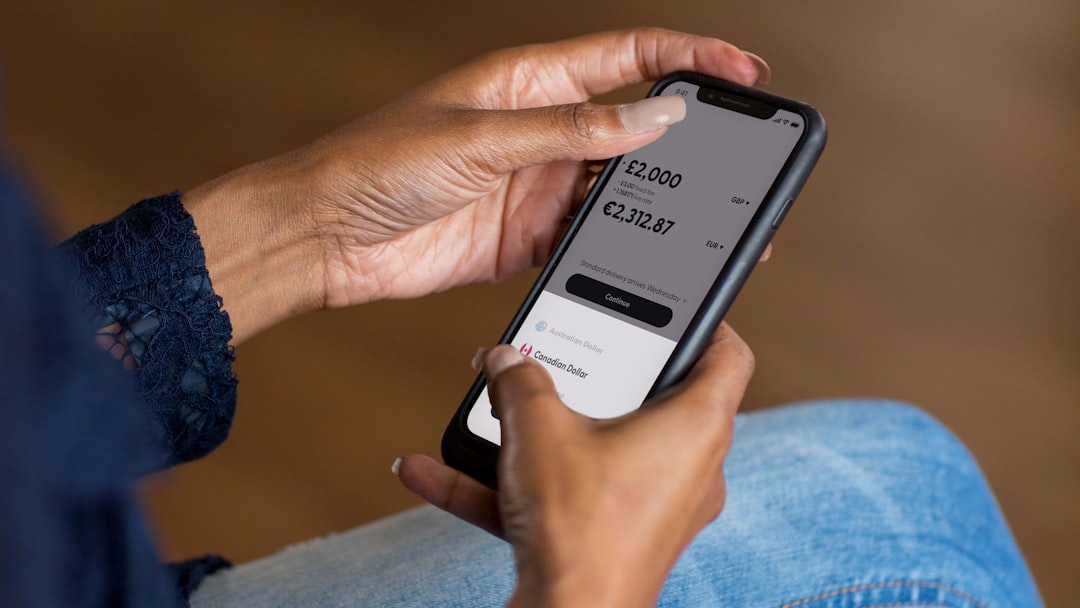
Send $200 to family in another country through a typical money transfer service, and about $13 disappears in fees before it ever reaches them. That’s the real global average on a $200 remittance, based on World Bank pricing data cited in recent stablecoin cost research. World Money, launched this week by Sam Altman’s World (formerly known as Worldcoin), wants that fee to be zero. The World Money stablecoin app is now live in more than 150 countries, and sending money between users costs nothing.
How the World Money Stablecoin App Works for Regular People
You don’t need to understand blockchain to use it. Open the app, hold a stablecoin balance tied to eight major currencies, and send it to anyone else on the platform by username. Transfers between users settle in seconds, not days. In the United States, you can add money straight from Apple Pay through a new partnership with Stripe. It typically shows up as spendable stablecoin within minutes.
Compare that to a traditional bank wire. It can take one to five business days, and it often carries a flat fee of $25 to $45 on top of a marked-up exchange rate. For someone living paycheck to paycheck, that gap is real money.
Picture Rosalind, a night-shift ICU nurse in Cleveland who sends $200 home to her mother in Manila every other payday. At the typical 6.49% remittance fee, she loses about $13 every time, close to $170 a year, just to move money she already earned. A free transfer puts that $170 back where it belongs: in her pocket, or her mother’s.
| Method | Fee on a $200 transfer | Typical speed |
|---|---|---|
| Traditional remittance (global average) | About $13 (6.49%) | 1 to 5 business days |
| World Money transfer | $0 | Seconds |
“Send or receive digital assets across borders for free.” That line, straight from World’s official launch announcement, is the whole pitch in one sentence.
A Dollar Safety Net for People Watching Their Currency Slide
Free transfers are only half the story. In Argentina, Colombia, and Mexico, World Money now offers virtual accounts that let people receive deposits, including paychecks, directly in dollar-backed stablecoins. That matters in places where the local currency can lose double-digit value against the dollar in a single year.
This isn’t a brand new idea. Nubank rolled out something similar for its 140 million Latin American customers this month, letting people convert pesos into yield-bearing digital dollars in a few taps. World Money is racing to offer that same protection, just wrapped inside a global app instead of a regional bank. Workers in Kenya are seeing a version of this shift too, where stablecoins are quietly reshaping M-Pesa remittances.
The Catch Worth Knowing Before You Move Your Savings
World Money is not a bank, and it says so in its own fine print. Your stablecoin balance carries no FDIC insurance. The optional Earn programs, which reward you for depositing crypto, can lose value, since returns aren’t guaranteed. Getting full rewards also means verifying your identity through World ID, which for many people still means scanning an iris at an Orb kiosk. That’s a real trade-off, not a footnote.
Coverage of the launch has leaned celebratory so far. Parameter’s rundown of the launch covers the feature list well but spends little time on how the Earn yields get funded. Read past the headline features before moving real savings onto any new platform, this one included.
If you already send money abroad every month, check whether your corridor is covered. Read the fine print on converting cash into stablecoins, too, before assuming the whole trip is free. Competition like this pushes Western Union, MoneyGram, and Zelle to cut their own fees as well. That holds true whether or not you ever download World Money yourself.