
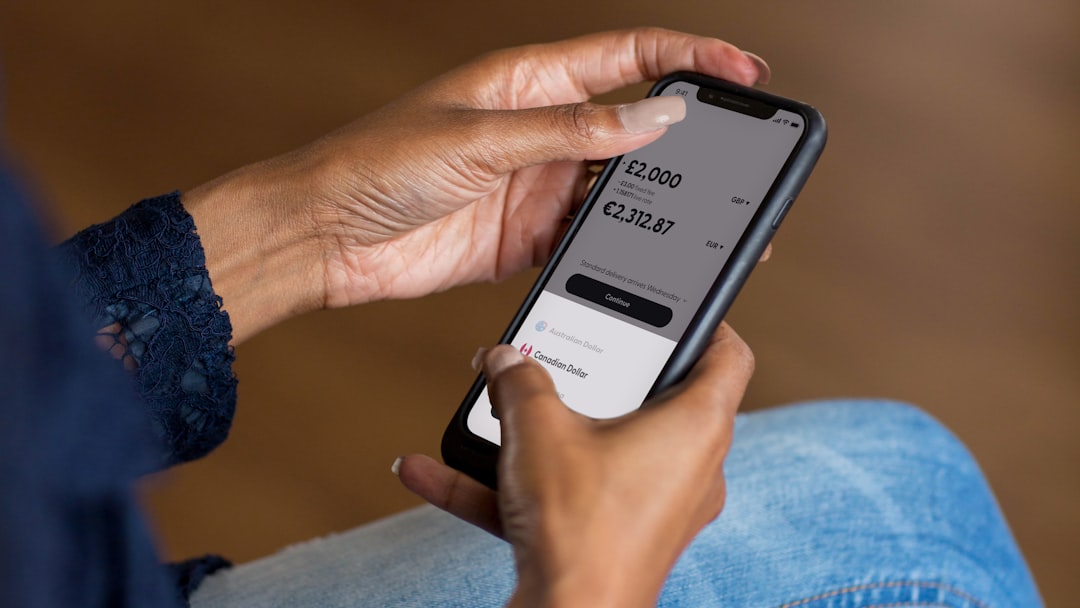
Grace works night shifts at a hospital in Nairobi. Her younger brother moved to the UK for construction work three years ago, and most months he sends money home for school fees and groceries. He used to wire it through a bank, wait three or four days, and watch a chunk disappear in fees. Now picture that money landing in Grace’s M-Pesa wallet within seconds, barely touched by fees at all. That is the promise behind a new wave of M-Pesa stablecoin remittances taking shape in Kenya right now.
How M-Pesa Stablecoin Remittances Actually Work
Two companies are quietly building this: Movement, a blockchain infrastructure firm, and Yellow Card, Africa’s largest digital asset platform. Neither wants Kenyans to learn crypto. They want dollar-pegged digital tokens to move invisibly behind an app millions already trust, as Movement CEO Torab Torabi explained.
When you say blockchain and crypto, I think those are two very different things. We are not in the crypto business.
Money crosses borders on stablecoin rails, then lands as an ordinary M-Pesa balance. Nobody opens a crypto wallet or buys a token. The sender’s dollars just show up as shillings, ready to spend.
Why the Fees Matter So Much Here
Sub-Saharan Africa has the highest remittance costs on Earth. Sending $200 home costs close to $18 in fees on average, according to World Bank data from early 2025, nearly 9% of every dollar and well above the 6.5% global average.
Yellow Card Nigeria’s Lasbery Oludimu summed up the shift in a separate announcement with Mastercard: “Stablecoins move at internet speeds, cost fractions of a cent to send, and operate 24/7, reducing settlement times from days to seconds.” For Grace’s brother, that difference could mean the family keeps closer to the full $200, instead of losing $18 before it even lands.
Small Shops Feel the Same Squeeze
Remittances are only half the story. Kenyan importers, like a small electronics shop in Nairobi’s Gikomba market paying a supplier in China, hit dollar shortages that stall a shipment right when payment is due. Yellow Card’s Florence Githinji says manufacturers sometimes cannot settle an invoice because dollars simply are not there that week. “Settling that invoice in stablecoins collapses the wait to near-instant,” she said. Under the old system, that payment sits in a bank queue for days. With stablecoins, the dollars move the moment someone approves the invoice, no shipment delay and no scrambling for a same-day loan. It is the same convenience stablecoin debit cards bring to everyday spending, now applied to a shop’s supply chain.
Regulators Are Catching Up
Kenya passed its Virtual Asset Service Providers Act in 2025, and regulators issued licensing and reserve rules for stablecoin providers this year. That matters: a company moving money through M-Pesa now has to hold real reserves and answer to a regulator, the same promise a bank makes. For a family trusting rent money to the system, that is the difference between a leap of faith and an upgrade they will barely notice.
Kenya is not the only place testing this. Latin American freelancers are finding similar dollar access through digital accounts, and Techweez reported this month that Yellow Card treats stablecoins as the backbone linking mobile money to global liquidity, not a side experiment.
Watch two things from here: whether Safaricom, M-Pesa’s parent company, formally signs onto a stablecoin rail instead of watching from the sidelines, and whether fees for ordinary users actually drop once these pilots move past testing. If Kenya gets this right, the same playbook could spread to every corridor where families and small shop owners have paid the world’s highest money-transfer costs for far too long.
Source: Techweez, September 15, 2026
Related Reading
- Marqeta and BVNK Turn Stablecoins Into a Card You Can Actually Spend
- Plenti’s Digital Dollar Accounts Give Latin America’s Freelancers Room to Breathe
- Nairametrics: Yellow Card and Mastercard Push Stablecoins to Address Africa’s Remittance Costs
- Yellow Card: About the Company Building Africa’s Stablecoin Infrastructure