
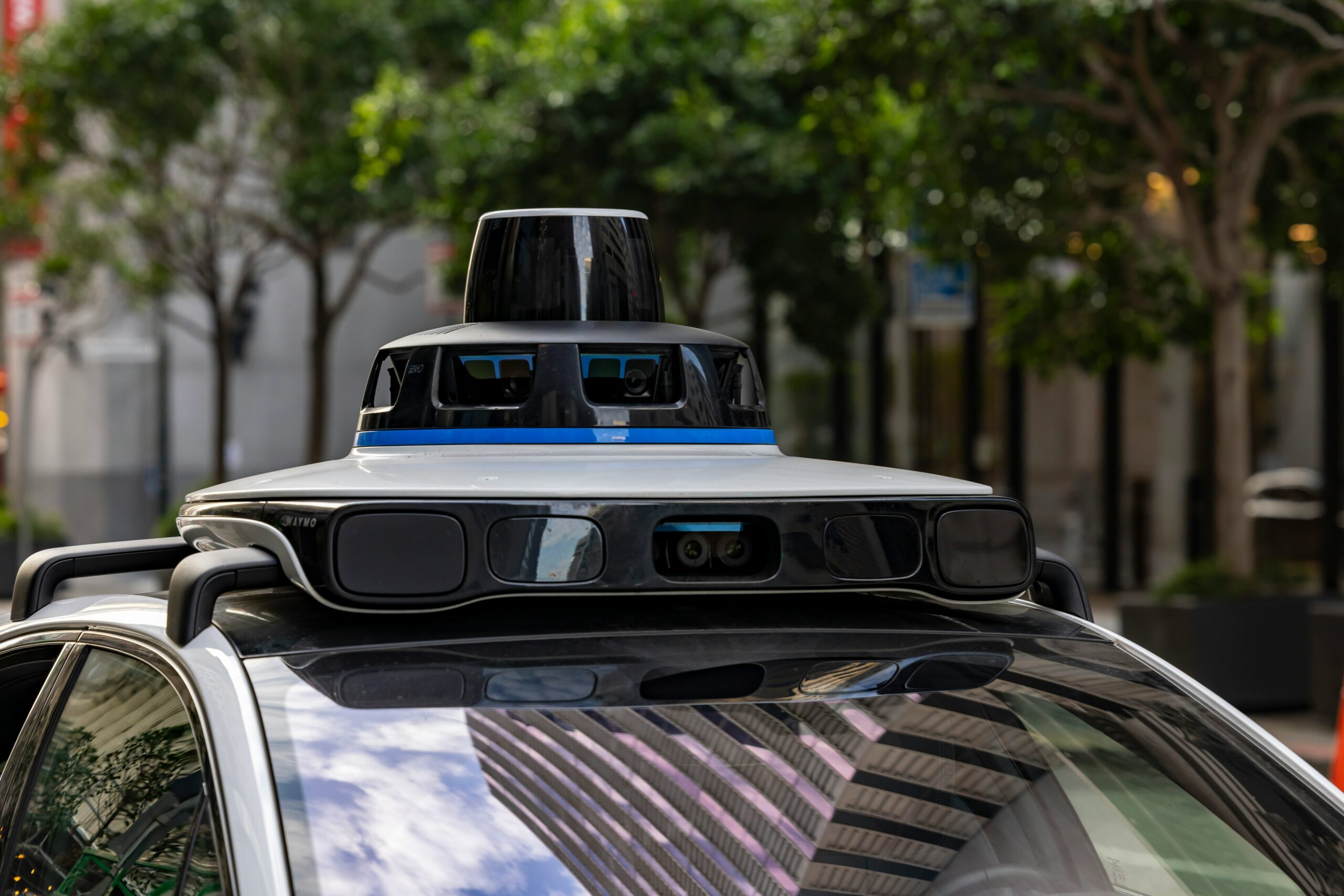
On September 10, 2026, Pony.ai and Verne announced they had begun fully driverless robotaxi test rides with passengers on public roads in Zagreb, Croatia. The companies describe it as a European first and call the rides a step toward fully driverless commercial operations. This is passenger testing, not yet a commercial driverless service.
Why It Matters to You
If you’re in Zagreb, you can already take a Verne ride that has trained operators on board, and Uber offers access to that service through its app. The driverless test cars are a later step, and the sources don’t say who can ride them or what they cost. Elsewhere in Europe, nothing changes yet: Croatian approval doesn’t carry across the EU.
What launched
The route runs about 22 km, linking Verne’s headquarters, a main Zagreb business district and Franjo Tuđman Airport. The companies plan to extend routes over the next few months to cover Zagreb’s whole operating area, and say the rides follow Croatian rules and the approvals required for autonomous vehicle testing with passengers on public roads. Verne started commercial rides in early April 2026 with trained operators on board, and Uber rides began in August with a safety driver, according to The Next Web. The September rides remove the human from the driver’s seat. London’s Uber and Wayve service, launched September 3, still carries a licensed safety driver in every car, per The Next Web.
Pony.ai supplies the driving technology, Verne runs local service operations, and Uber provides access through its app. The vehicle is Pony.ai’s seventh-generation robotaxi, which The Next Web identifies as built on the Chinese Arcfox Alpha T5. Pony.ai says the system has 360-degree sensor coverage, multiple layers of redundancy and fail-operational capabilities. The Next Web reports Verne also monitors the vehicles remotely, though Pony.ai’s release doesn’t mention remote monitoring.
Company figures, and what’s missing
Pony.ai says Verne’s Zagreb fleet has driven more than 200,000 km since April and completed several thousand customer rides with an average rating of 4.7 out of 5. A rating isn’t a safety measure. Pony.ai also reports more than 100 million km of autonomous operation worldwide, including over 40 million km fully driverless (about 62 million and 25 million miles). None of these figures is independently audited, and The Next Web found no independent safety data, incident rates or mileage statistics for the Zagreb service. A vehicle needs separate national permission in each EU country, and the EU-wide route for fully automated cars is limited by a small-series cap of 1,500 vehicles a year. Pony.ai and Uber have said more than 2,000 robotaxis will run across Europe, in Zagreb and four other cities, which is a plan and not a fleet.
Quick answers
Is this a public commercial service?
Not yet by the companies’ own description. They call the rides driverless test rides with passengers, as a step toward commercial operations. Verne’s earlier service with trained operators on board has been commercial since April.
Is it the first driverless robotaxi in Europe?
Pony.ai and Verne describe it as a European first for fully driverless passenger rides, and The Next Web uses the same framing. We did not find an independent check.
Sources
- Pony.ai: PONY AI Inc. and Verne Kick Off Fully Driverless Robotaxi Test Rides in Zagreb (Sep 10, 2026)
- The Next Web: Europe’s first truly driverless robotaxi is running in Croatia on Chinese software (Sep 11, 2026)
- Gasgoo: Pony.ai, Verne Launch Europe’s First Fully Driverless Robotaxi Passenger Testing (Sep 12, 2026)