
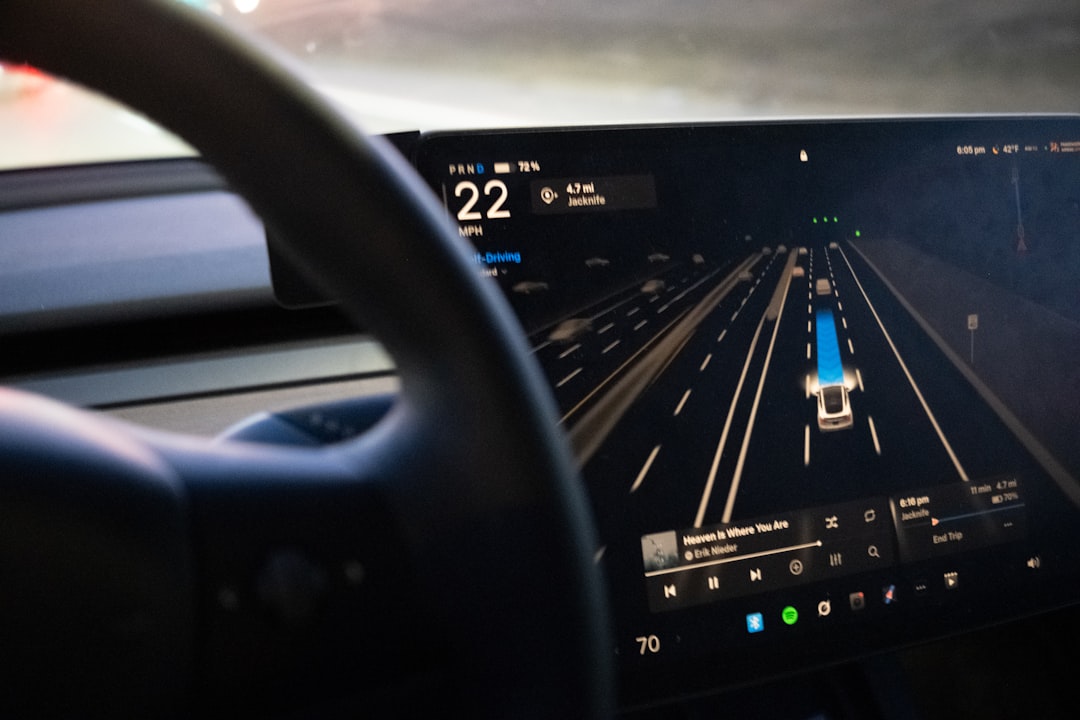
China’s industry ministry unveiled a plan on September 10, 2026 to strengthen the country’s smart electric vehicle industry. Reuters, via The Standard, reports it targets large-scale deployment of self-driving vehicles by 2030, and that autonomous vehicles should reach “higher safety levels than human drivers.” That’s a policy goal. The reports describe no measurable threshold.
The plan’s main points, in order
- Unveiled September 10, 2026 by China’s industry ministry, as a plan to strengthen the smart electric vehicle industry.
- Rules tighten across vehicle production, road safety, self-driving, and software upgrades.
- China will explore special approval pathways for key components and low-volume vehicles.
- Automated driving rolls out on highways, urban expressways, and selected city roads, per Reuters and AsiaOne.
- By 2030, the target is large-scale deployment, with self-driving vehicles reaching “higher safety levels than human drivers.”
| Item | What reports say | Source |
|---|---|---|
| Target date | Large-scale deployment by 2030 | Reuters via The Standard, AsiaOne |
| Safety goal | “Higher safety levels than human drivers,” no metric given | Reuters via The Standard, AsiaOne |
| Where | Highways, urban expressways, selected city roads | Reuters via The Standard |
More than a self-driving plan
Self-driving is one piece. The plan sets goals for several Chinese automakers to rank among the world’s top 10 by sales and for greater influence over international auto standards. It also calls for more oversight of vehicle and battery production capacity, curbs on overinvestment, stronger antitrust enforcement, and guidelines to help automakers follow rules abroad.
Why It Matters to You
- Drivers and riders in China could eventually see automated driving on highways, urban expressways, and selected city roads, with a 2030 target for large-scale deployment.
- It’s a plan and a target, not a guarantee, and nothing in the reports says when any given road gets service.
- Readers elsewhere shouldn’t expect a direct change. The plan covers China’s industry, and the reports don’t say how it would affect other markets.
What the plan leaves open
The safety line is a stated aim. The reports give no data, metric, test, or deadline for how “higher safety levels than human drivers” would be measured or enforced, and they don’t say whether it is a condition for approval, so we can’t confirm that cars must beat humans before large-scale rollout. Neither report we opened quotes an official or mentions bus or robotaxi trials, vehicle-to-road communication upgrades, or road death statistics, and we read coverage of the plan rather than the ministry’s full text. Claims that standards set in China will improve vehicles elsewhere are speculation with no source here.
Quick answers
- Is this a binding safety standard? The reports describe a roadmap with goals. They don’t describe a binding test or crash-rate threshold.
- Which ministry issued it? Reuters and AsiaOne refer to China’s industry ministry without naming it further.
- When will self-driving cars be common in China? The plan targets large-scale deployment by 2030. It is a target, not a guarantee.
- Does it include robotaxis? The coverage we read doesn’t mention robotaxi or bus trials.
Sources
- The Standard (Reuters): China targets mass deployment of self-driving vehicles by 2030 (Sep 11, 2026)
- AsiaOne: China targets mass deployment of self-driving vehicles by 2030 (Sep 11, 2026)