
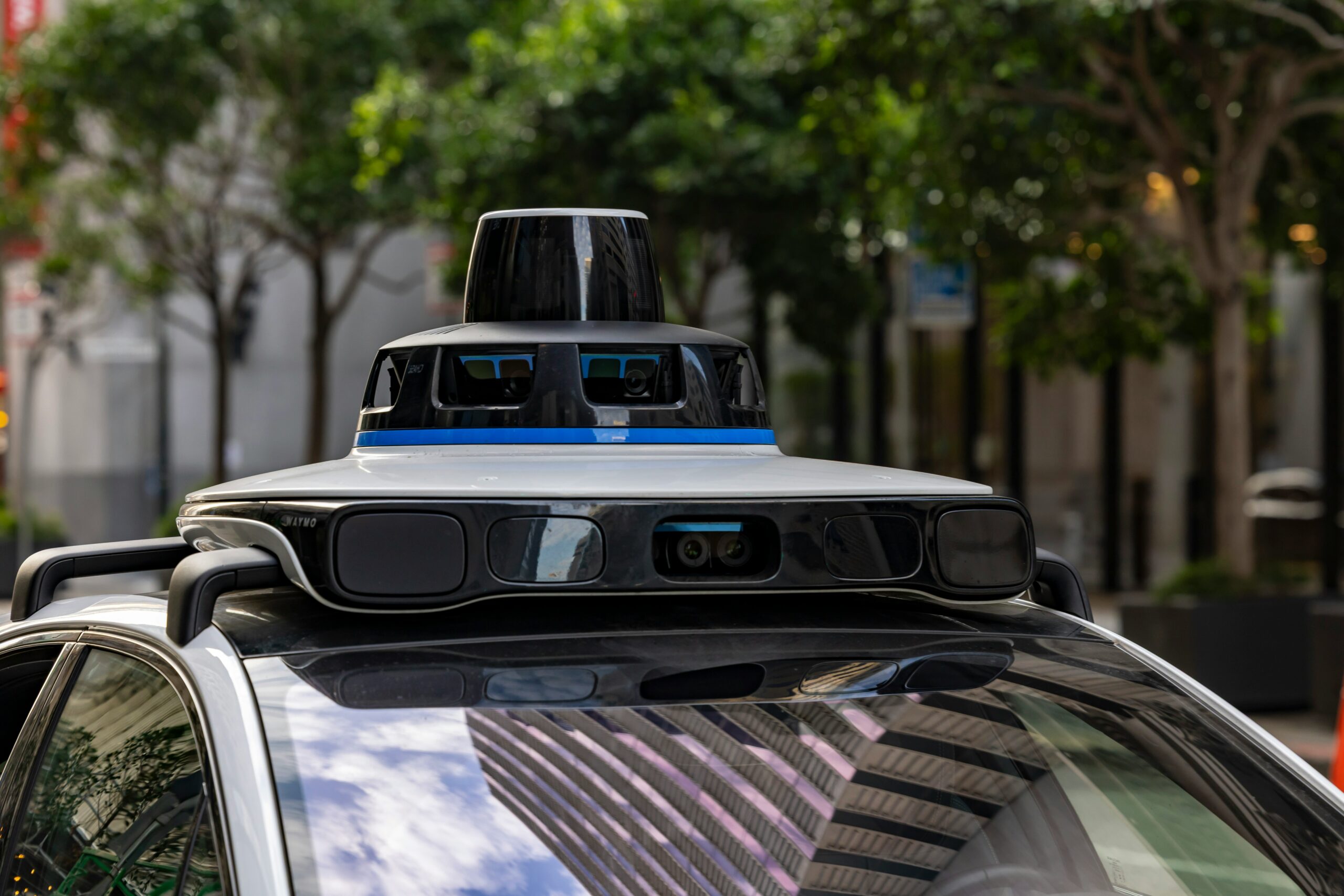
Munich commuters, delivery drivers, and blind residents are about to get a new travel option: a self-driving car. This week, Waymo confirmed its Munich expansion. Street mapping starts within weeks, and Waymo aims to launch paid robotaxi rides by late 2027. The move makes Munich the company’s first stop in continental Europe. It puts real independence within reach for people who can’t drive themselves anywhere today.
That matters most for riders who have never had a good way to get around on their own. Maik Schubert runs a Munich guide dog school, and he said self-driving cars “will bring independence” to blind and visually impaired residents. Right now, many of them depend on a family member, a friend, or a scheduled paratransit van just to run an errand or see a doctor. A robotaxi shows up on demand, with no driver to coordinate with and no bus schedule to memorize. That hands back a piece of daily freedom that’s easy to take for granted.
New Independence for Blind and Low-Vision Riders
Guide dogs help with navigation, but they can’t hail a ride or read a bus timetable. A car arrives on command, confirms the stop by voice, and drives door to door. That removes one more barrier between a blind rider and an ordinary errand. This kind of change doesn’t make headlines. But it reshapes an entire day for someone who has spent years planning trips around other people’s schedules.
A Safety Record Munich Can Actually Feel
Safety is the other half of the story, and it shows up in the numbers. Waymo reports 16 times fewer serious-injury crashes than human drivers cause. Its cars also show 14 times fewer pedestrian injuries and 6 times fewer cyclist injuries, measured over the same distance. Munich’s streets pack cyclists, pedestrians, and cars into tight lanes, so a lower crash rate isn’t an abstraction. It’s the difference between a close call and a real injury for someone crossing the street or biking home from work.
Waymo isn’t rushing the rollout. Trained specialists will map Munich block by block before regular riders ever get in the car. That’s the same careful approach the company used before it launched robotaxi service in San Diego and built a strong safety record in Denver. That head start lets the company catch tricky intersections and local driving habits early. It learns before the public climbs in, instead of relying on trial and error on the road.
Inside Waymo’s Munich Expansion Plan
Waymo’s Munich expansion also promises to create local jobs, from fleet operations to mapping crews. The company says its robotaxis will work alongside Munich’s transit, cycling, and pedestrian networks rather than compete with them. For a city that already leans on public transportation, that distinction matters. Robotaxis can fill the gaps transit can’t reach. Think of a late-night ride home, or a trip for someone who can’t manage stairs at a train station.
What Munich Residents Gain Day to Day
None of this happens overnight. Waymo doesn’t expect commercial service until late 2027. It still needs to win over regulators and residents in a country that has stayed more cautious about autonomous vehicles than the U.S. But the direction is clear. A technology that already gives Americans safer rides and more independence is heading to Europe next, one careful step at a time.
Read the full announcement on Waymo’s official blog.