
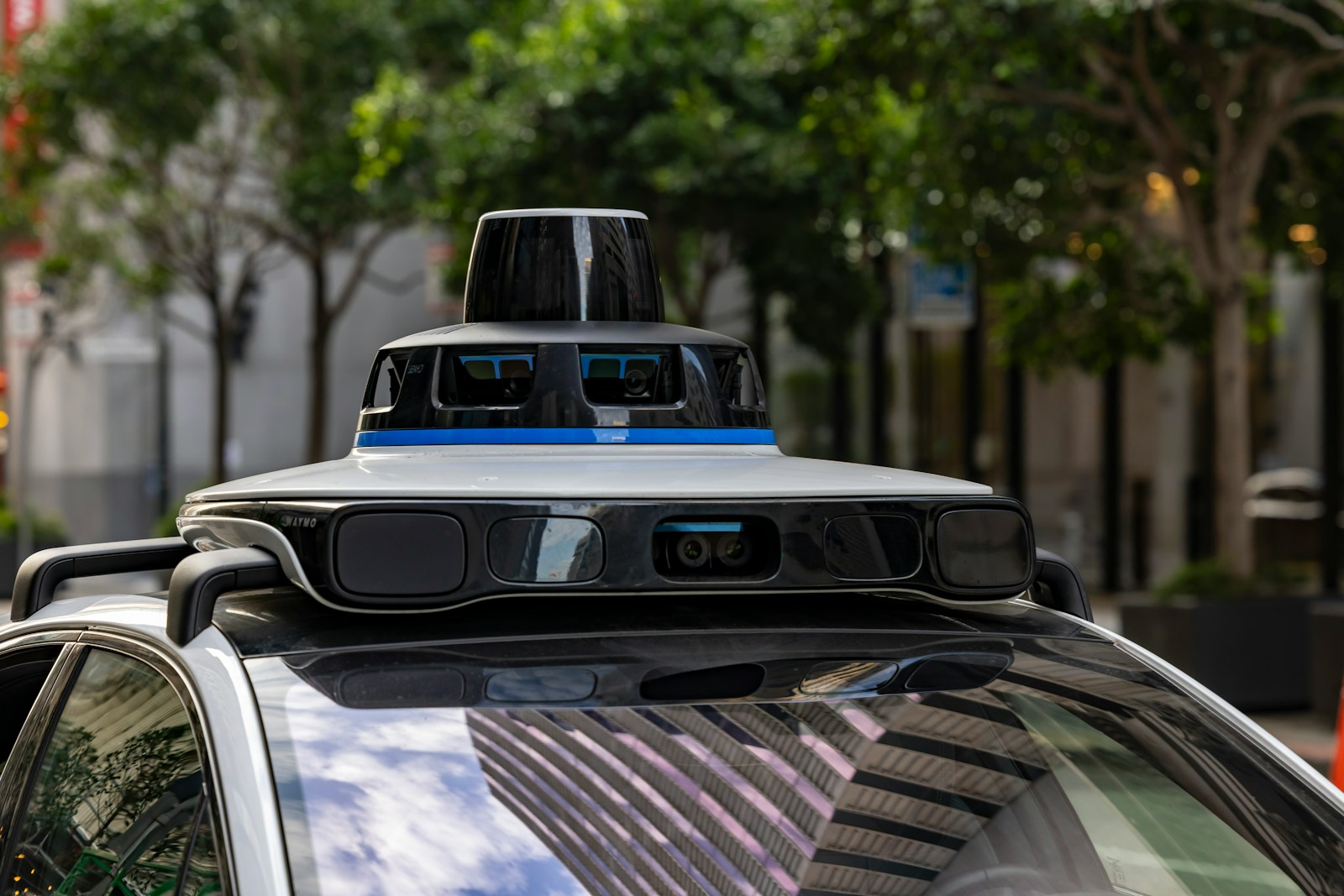
Picture Jasmine, who tends bar in Corktown and closes up most Saturdays around 1 a.m. Her shift ends right when rideshare apps go quiet and prices spike. For months, her choices have been a pricey ride, a cold wait outside, or a walk to her car alone. That gap just got a little smaller on October 6, when Waymo’s Detroit launch went fully driverless downtown.
No safety driver sits up front anymore. The cars still carry only Waymo employees while the company finishes its safety checks. That step comes right before everyday riders get to book a trip. Detroit is Waymo’s 11th city, and its first in Michigan.
What Waymo’s Detroit Launch Means for Riders Who’ve Been Left Waiting
Late-night rides are hard to find in a lot of American cities, and Detroit is no exception. Downtown resident Alana Hardin told WXYZ Detroit that getting a ride on a busy Saturday night can take forever. A second, steady option on the road helps close that gap. That matters most for people who don’t want to wait outside alone at midnight.
N. Charles Anderson, president of the Urban League of Detroit and Southeastern Michigan, rode a Waymo in Nashville before the Detroit launch. His takeaway:
“I thought about how safe it was compared to some other modes of transportation, particularly for women.”
A driverless car can’t get distracted, drive drunk, or make a passenger uncomfortable. For a woman heading home alone at night, that predictability is worth real peace of mind, not just convenience.
Built for Riders Who Need It Most
Waymo didn’t bolt accessibility on as an afterthought here. The Zeekr Ojai vehicles running in Detroit include:
- Braille controls inside the cabin
- Screen-reader compatibility for riders who are blind or have low vision
- A seat-integrated grab handle for getting in and out safely
Waymo has also partnered with the Epilepsy Foundation of Michigan, which says transportation ranks among the biggest barriers people with epilepsy face, since many can’t hold a license. It’s working with Mothers Against Drunk Driving Michigan too, pitching the service as another safe way home. A single DUI arrest can cost $10,000 or more in fines, legal fees, and higher insurance, so a driverless ride is cheap insurance by comparison.
Detroit’s city government already runs its own shuttle pilot for older adults and residents with disabilities, so this isn’t the city’s first push toward driver-free mobility. Ryan Michael, the city’s deputy chief of business innovation, called Waymo’s arrival another sign of Detroit’s role in mobility innovation.
The Safety Math Behind the Rollout
Waymo says its driver has logged more than 270 million fully autonomous miles, with about 95% fewer crashes causing serious or fatal injuries than human drivers cause. Those figures come from Waymo itself, so treat them as a claim worth watching, not gospel. Still, the Insurance Institute for Highway Safety has found lower crash rates for Waymo vehicles elsewhere, backing up the broader trend.
Analyst Sam Abuelsamid expects limited public rides by late 2026 and wider access by early 2027, once Michigan’s permitting and Waymo’s own testing line up. GovTech’s coverage has more on that timeline and the cheaper, cold-weather hardware in use here.
Not every Detroiter is sold yet. Some residents told local reporters they feel nervous but curious, a fair reaction to new technology on your block. The real test comes once regular riders, not employees, start booking trips.
If you live in Detroit, watch Waymo’s app for a service map before rides open to the public, and ask your city council how the senior and disability shuttle pilot is going. Both answers will tell you who actually benefits first.