
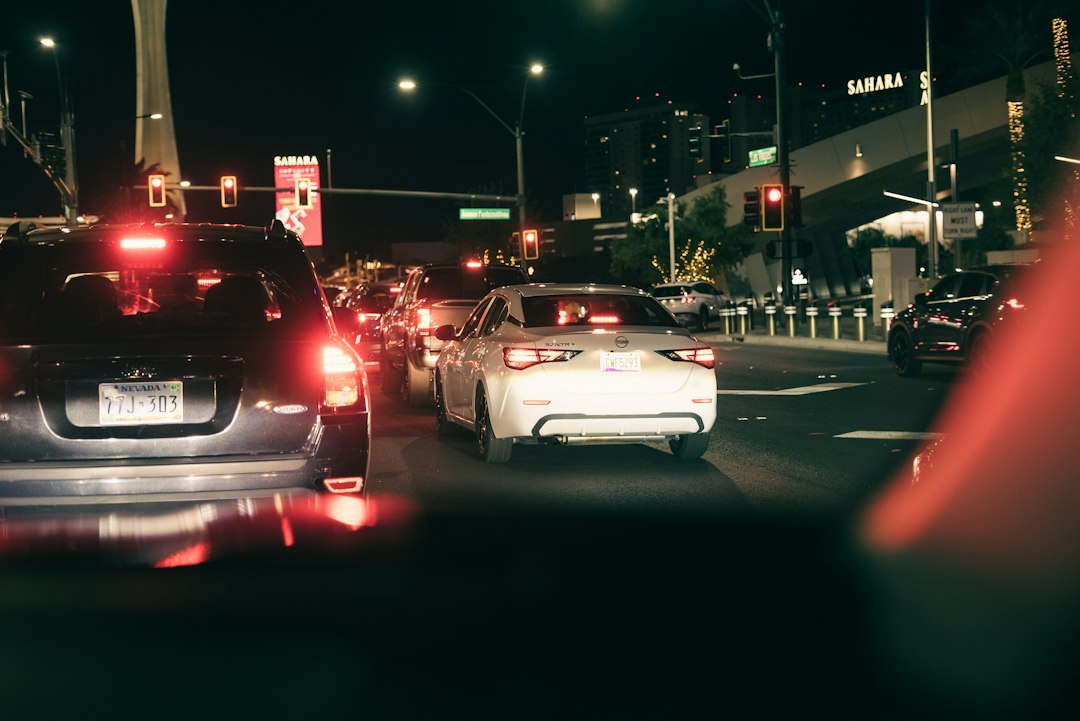
Danielle peels off her scrubs and clocks out at 4 a.m., the worst possible hour to get behind a wheel. She just finished a twelve-hour shift running an emergency room in Phoenix. Her body wants sleep, not a 25-minute drive past bars that are just letting out. For years, nurses like her gritted their teeth and drove home anyway. Now a growing number of night-shift workers are swapping that drive for a ride in a car that has no one steering it at all.
New Waymo nighttime driving safety data, published October 8, explains exactly why that trade matters. Waymo’s researchers combed through years of federal crash records and found something uncomfortable. Even a driver who hasn’t touched a drop of alcohol faces three to four times higher risk of a fatal crash at night than during the day. Strip out every impaired driver on the road, and a city’s deadly crash rate still only falls by 23 percent on average. Night itself, with its darker roads, tired drivers, and unpredictable traffic, carries real danger all its own.
Waymo Nighttime Driving Safety Data, in Plain English
The numbers come from a partnership with Mothers Against Drunk Driving, and they’re worth sitting with:
- Alcohol plays a role in roughly three of every ten U.S. traffic deaths.
- In some metro areas, about one in fifty nighttime drivers is already over the legal limit.
- A separate study of nearly 38,000 fatal crashes found 77 percent involved impairment, speeding, or a missing seatbelt, often more than one at once.
- Waymo estimates its driving system could address up to 83 percent of the human mistakes behind fatal crashes.
“This research can fill a major gap in road safety research.”
Stacey D. Stewart, CEO, Mothers Against Drunk Driving
That’s not a small statement from an organization that has spent four decades fighting drunk driving one family at a time.
What This Means for Marcus, and for You
Picture Marcus, a father of two in Ohio, at a backyard cookout. He’s had two beers and feels fine to drive, which is exactly the trap. Feeling fine and being safe aren’t the same thing, especially after dark. A driverless ride home costs him about $20. Skipping that ride, and getting pulled over, or worse, getting into a crash, can cost upwards of $20,000 once fines, legal fees, and years of higher insurance premiums pile up. That math isn’t close.
This isn’t only about drinking, either. Seoul just expanded its self-driving buses specifically to get night-shift workers home safely, because the industry increasingly agrees that night driving itself is the hazard worth solving. Waymo’s own September report already showed 841 fewer injury crashes across its fleet. This new research explains more precisely why: no fatigue, no impairment, no distraction, on every single ride.
I’ve read enough safety data releases to know they can be self-serving. But pairing a company’s own fleet statistics with an independent federal crash database, and putting MADD’s name next to the findings, is a different kind of credibility than a press release alone. Next time you’re deciding how to get home after dark, run the math Marcus didn’t: a $20 ride beats a $20,000 mistake, every single time.