
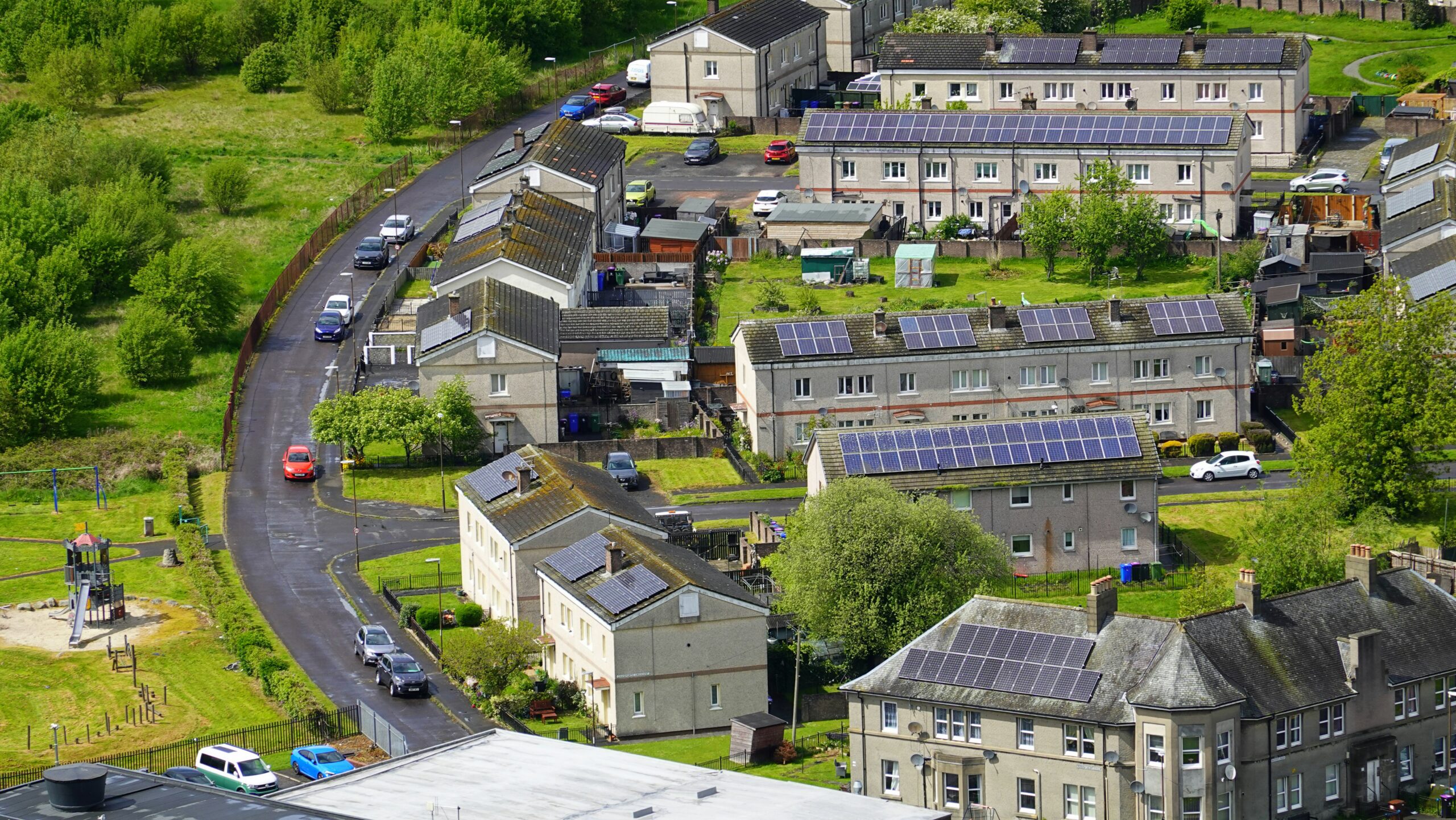
Picture Maria, a home health aide in Stockton, California, finishing a night shift on September 9. The heat had topped 105 degrees that afternoon. Her client, an 81-year-old man named Walter, relies on a CPAP machine and a fridge full of insulin. Maria’s biggest fear isn’t the heat. It’s a blackout that shuts off Walter’s fridge overnight. That night, California’s home batteries delivered a virtual power plant savings record instead.
Not because the state built a new power plant. Because 140,000 ordinary homeowners let their home batteries send power back into the grid.
A Record-Breaking Night for Home Batteries
Tesla and Sunrun coordinated the dispatch during the evening peak, when air conditioners push the grid the hardest. Together, their customers’ batteries delivered 580 megawatts for three straight hours. That’s enough electricity to power every home in Sacramento County at once. According to Electrek’s reporting, it’s the largest residential virtual power plant event ever recorded in the United States.
- 580 megawatts delivered, for three hours straight
- 140,000-plus home batteries took part, most of them Tesla Powerwalls
- Enough power for every home in Sacramento County, at the same time
- Up to $206 million in ratepayer savings projected by 2028
Most of that power, 517 megawatts, came from roughly 110,000 Tesla Powerwalls. Another 63 megawatts came from more than 30,000 batteries made by other companies. None of it required building a single new plant.
Why the Virtual Power Plant Savings Add Up, Even Without a Battery
Utilities usually cover evening demand spikes with “peaker plants.” These are gas-fired generators that sit idle most of the year and only fire up during the hottest days. They’re expensive to build and expensive to run, and every ratepayer helps cover that cost through higher bills.
Home batteries take that job instead. A Brattle Group analysis found that programs like this one could save Californians up to $206 million by 2028, spread across every household’s bill, not just the ones with batteries installed.
“Sunrun’s distributed home batteries are operating at a scale larger than many peaker power plants combined,” said Mary Powell, Sunrun’s CEO.
Homeowners who opted in earn money too. Sunrun and Tesla pay customers for the power their batteries send back during events like this one, on top of whatever they already save by using their own solar power first.
Cleaner Air Comes With the Savings
Peaker plants don’t just cost money. They tend to sit in neighborhoods that already carry a heavier pollution burden, and every hour one runs adds to it. Swapping batteries for gas turbines during heat waves means fewer of those hours. That’s cleaner air for the families who live closest to the plants.
California isn’t the only state figuring this out. Texas found a similar fix using its own battery fleet last summer, and a state law already pays California homeowners for this exact kind of clean energy. If more states catch up, the grid gets steadier and bills get lighter, no matter where you live.
If your utility hasn’t asked about your home battery yet, it probably will soon. Ask two questions before you say yes: what does the program pay per kilowatt-hour, and how many hours a year will it actually call on your battery? Get real answers, and you’ll know you’re helping keep the lights on for someone like Walter, and getting paid for it.