
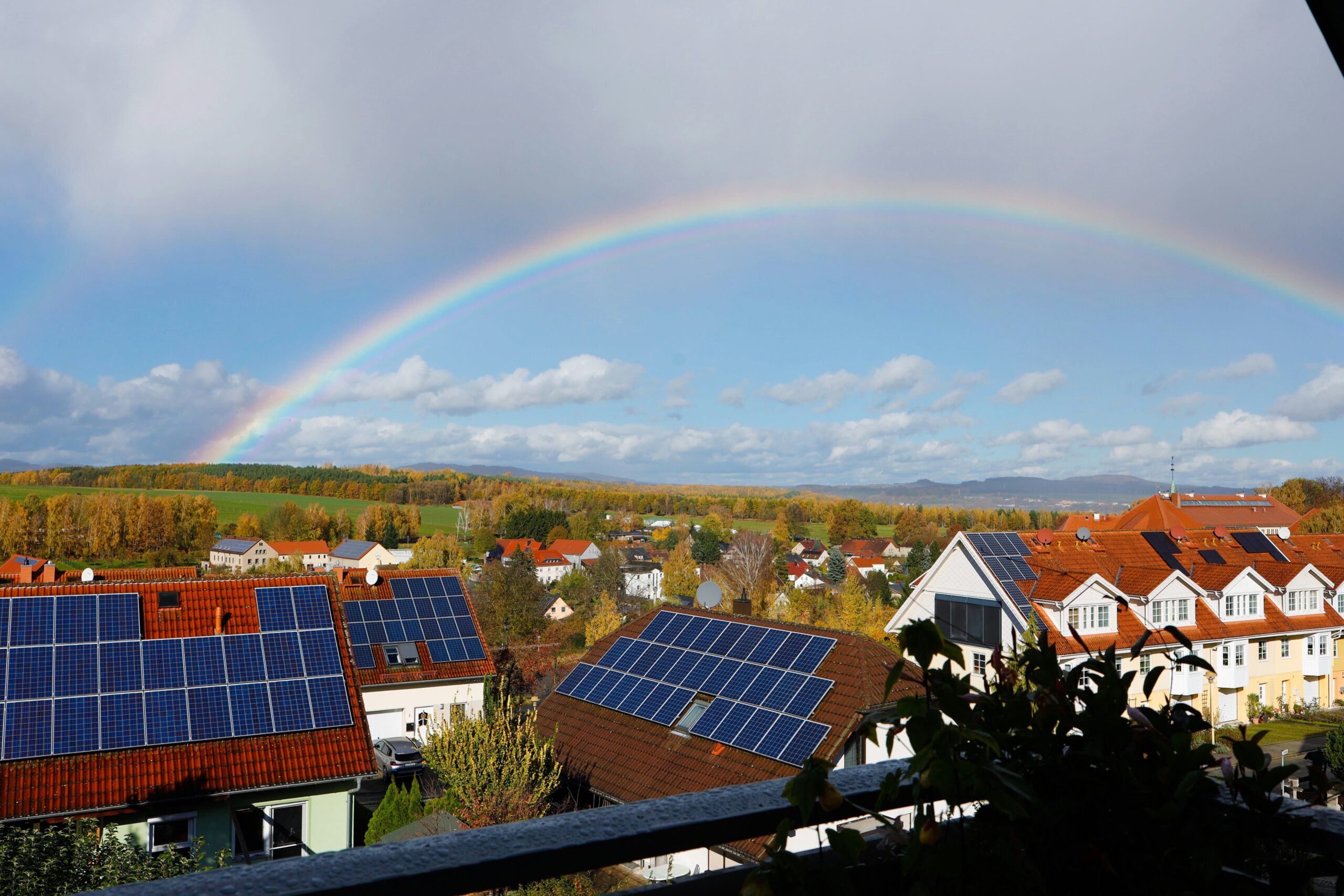
California just took a big step toward paying regular homeowners for the clean energy sitting in their garages. State lawmakers passed a bill that lets home batteries, solar panels, and electric cars work together as one giant California virtual power plant. That shift means real savings for families, not just utilities.
State Senator Josh Becker wrote the bill, known as the Clean Local Power Act. It orders state regulators to fix outdated rules that ignore the power already sitting in driveways and garages across the state. Once regulators finish that work, homeowners with solar-plus-battery systems, bidirectional EV chargers, smart thermostats, and heat pumps can combine their equipment into one shared network. Utilities can then call on that network during the hottest, highest-demand hours of the day. pv magazine USA first reported the bill’s passage this week.
How California’s Virtual Power Plant Law Pays Homeowners Back
Battery owners win first. They get paid when they send stored power back to the grid during a heat wave instead of letting it sit unused. California already adds roughly 8,000 home battery systems every month, about 100 megawatts of new capacity. Under the old rules, most of that power went uncompensated during peak hours.
The benefit doesn’t stop with battery owners, though. Every ratepayer gains something too. Utilities normally cover extreme demand by building new “peaker plants,” power plants that run only a few hours a year and cost a fortune to build. Those costs land on everyone’s monthly bill. Tapping home batteries and EVs instead lets utilities skip some of that expensive construction. That keeps rates lower for renters and homeowners alike, even the ones without solar panels of their own.
Cleaner Air on the Hottest Days
Peaker plants typically burn natural gas, and they often sit in neighborhoods that already breathe the worst air. Replacing even a portion of that capacity with clean, stored solar power cuts pollution right when heat and smog already strain people’s lungs. Texas learned a similar lesson last year, when grid-scale battery storage kept air conditioners running through a brutal summer without firing up extra fossil fuel plants.
California’s approach adds a twist. Instead of relying only on large batteries owned by utilities, it rewards the batteries families already bought for their own homes. That matters more every year, as households increasingly add solar and storage to cut their own bills. It’s the same trend already helping renters and homeowners save money through community solar programs in New York and beyond.
What Happens Next for California Families
Brandon Garcia of Advanced Energy United says the bill helps consumers “facing rising electricity bills” by letting customer-owned resources “deliver reliable energy at an affordable price.” Groups including The Climate Center and Environment California backed the bill as it moved through the legislature.
The California Public Utilities Commission will now write the specific rules for paying homeowners and registering their devices. That process will decide how quickly families start seeing checks, or bill credits, for the clean power already sitting in their homes. For now, the message is simple: the battery in your garage just became more valuable, and cheaper, cleaner power is heading toward millions of California households as a result.