
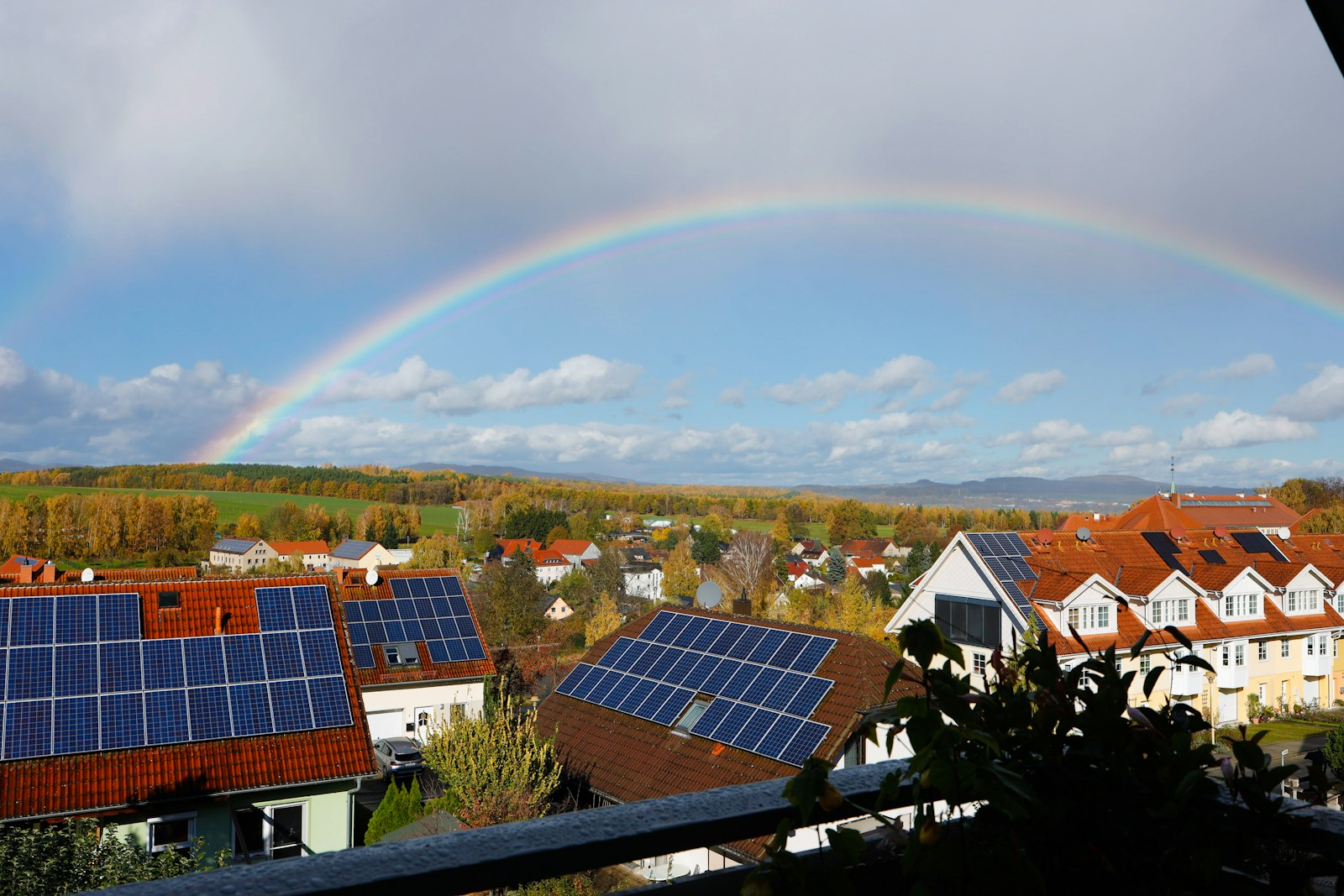
“On first hearing, the finances of the scheme look pretty decent,” says Martin Lewis, the consumer finance campaigner behind MoneySavingExpert. He’s talking about the UK’s new Warm Homes Loan Scheme, which the government confirmed this week. Starting in late October 2026, ten lenders began offering homeowners across England, Scotland, Wales and Northern Ireland government-backed loans to pay for solar panels, home batteries and heat pumps. Some of the loans charge no interest at all. The idea is simple: let people spread the cost of clean energy upgrades over years instead of needing thousands of pounds in cash upfront, according to the UK’s Department for Energy Security and Net Zero.
What the Warm Homes Loan Scheme Actually Covers
The scheme runs through participating lenders, not the government directly. Homeowners apply to one of ten lenders named so far: HomeServe, working with E.ON, Hometree Finance, Propensio, Secure Trust Bank, Selina Finance, South Manchester Credit Union, Sunsave, Tandem Bank, The Money Co-op, or This Bank, according to the government’s official announcement. More lenders are expected to join as the scheme grows.
Here’s what the loans can pay for, and how much a household can borrow for each, per the Department for Energy Security and Net Zero:
- Solar panels: up to £15,000
- Home battery storage: up to £15,000
- Air-to-water heat pump: up to £20,000
- Air-to-air heat pump: up to £10,000, where an MCS-certified installer is available
- Ground source heat pump: up to £35,000
- Biomass boiler: up to £20,000
- Heat network connection: up to £7,500
- Small-scale renewables, like a home wind turbine: up to £20,000
Every installation needs a certified installer through the Microgeneration Certification Scheme, except for heat network hookups. Homeowners can also combine a Warm Homes loan with a separate grant, worth up to £9,000 through the Boiler Upgrade Scheme in England and Wales or Home Energy Scotland, as long as the grant and the loan aren’t paying for the same improvement twice.
The government gave one concrete example of what the lower rates could mean in practice. Someone borrowing £10,000 over seven years at a typical 8% rate pays around £155 a month. Under the scheme’s reduced rates, that same loan could cost up to £285 a year less in repayments. Install a heat pump, a battery and solar together, and the government estimates a household could save up to £550 a year on energy bills, climbing further with a time-of-use electricity tariff.
This loan scheme is separate from the earlier Warm Homes Local Grant, which pays for free solar and battery installs at eligible low-income households. A randomized trial of that grant program found it cut participating households’ bills by about 62%. The new loan scheme is open to any homeowner who passes a lender’s credit check, not just low-income households, so it fills a different gap.
Why It Matters to You
Picture a nurse in Leeds we’ll call Priya, an illustrative example and not a real person. She’s wanted solar panels and a battery for years but never had £15,000 sitting in savings. For someone like her, a loan like this is the difference between waiting another decade and starting next spring.
That’s the real shift here. Rooftop solar and heat pumps already pay for themselves over time through lower energy bills, but the upfront cost locks out anyone without spare cash or home equity to borrow against. A government-backed loan with a cut-rate interest charge, or no interest charge at all on some products, narrows that gap without asking anyone to save up first.
It isn’t free money, and it isn’t available outside the UK. But if you’re a UK homeowner who has priced out solar and felt priced out instead, this is a new option worth checking, even if a market loan or a longer savings plan ends up working better for your situation.
What Industry and a Consumer Champion Are Saying
Energy Secretary Miatta Fahnbulleh framed the launch around affordability. “Energy is an everyday essential that must be affordable for everyone,” she said in the government’s announcement. “These government-supported loans will help families across the UK upgrade their homes with no upfront costs to make them warmer and cheaper to run.”
Trade group Solar Energy UK welcomed the move. Chief executive Chris Hewett said the scheme means more homes can go solar next year than ever before, and he expects the industry to break its annual record for small-scale solar installations within weeks.
Martin Lewis is more cautious. Here’s his fuller take:
“On first hearing, the finances of the scheme look pretty decent, so for those who want these energy products but can’t afford the capital, it’s a good new option,” said Martin Lewis, founder of MoneySavingExpert, adding that the rates he’s seen are still less than the open market’s cheapest personal loan, though he’s awaiting final confirmation of that.
Alongside that assessment, Lewis flagged four things for anyone considering a loan: some loans are secured against the home, similar to a second mortgage; some of the longer repayment terms, over 20 years, let costs compound substantially; lenders could raise the price of the installation itself to offset the cheaper financing, so he recommends comparing offers before signing anything; and scammers may try to impersonate the scheme to con homeowners out of money. His advice is to shop around, read the full repayment terms, and confirm you’re dealing with one of the ten listed lenders directly.
What We Don’t Know Yet
- No lender has published its actual interest rate. The government says rates could drop by up to five percentage points compared with a standard loan, but how that plays out lender by lender isn’t public yet.
- It’s unclear what share of loans will end up interest-free versus simply cheaper than a normal loan.
- The government hasn’t said how many households it expects to use the scheme, or published a total budget for the Treasury backing behind it.
- Some outlets report a separate heat pump grant could shrink later on, but that claim traces back to unconfirmed, secondhand reporting and isn’t part of the official scheme announcement.
- Every application still goes through a lender’s normal credit and affordability checks, so not everyone who wants in will qualify.
If you’re weighing whether to wait for a cheaper deal or move on one of the ten lenders now, the smartest first step is simple: get quotes from at least two of them before signing anything, the same way Lewis suggests shopping for any loan.
Frequently Asked Questions
Who can get a Warm Homes Loan?
You need to own your home, with or without a mortgage, and the property has to be residential and located in the UK. Individual lenders can add their own rules on top of that, and every applicant still goes through a standard credit and affordability check.
How much can I borrow, and for what?
It depends on the technology. Solar panels and batteries each max out at £15,000, heat pumps run from £10,000 to £35,000 depending on the type, and smaller systems like heat network connections cap at £7,500.
Do I have to use a specific installer?
Yes, for almost everything. Every upgrade except a heat network connection has to go through an installer certified by the Microgeneration Certification Scheme, and some lenders only work with specific installer networks.
Sources
- Department for Energy Security and Net Zero: Warm Homes Loan Scheme factsheet (Oct. 27, 2026)
- GOV.UK: Warm Homes Loan Scheme eligibility (accessed Nov. 1, 2026)
- MoneySavingExpert: Households to be offered free or cheap loans for solar panels, batteries and heat pumps (Oct. 26, 2026)
- Solar Energy UK: Solar & battery storage industry welcomes low-cost loans for home upgrades (Oct. 28, 2026)
- The Intermediary: Government launches Warm Homes Loan Scheme (Oct. 27, 2026)