
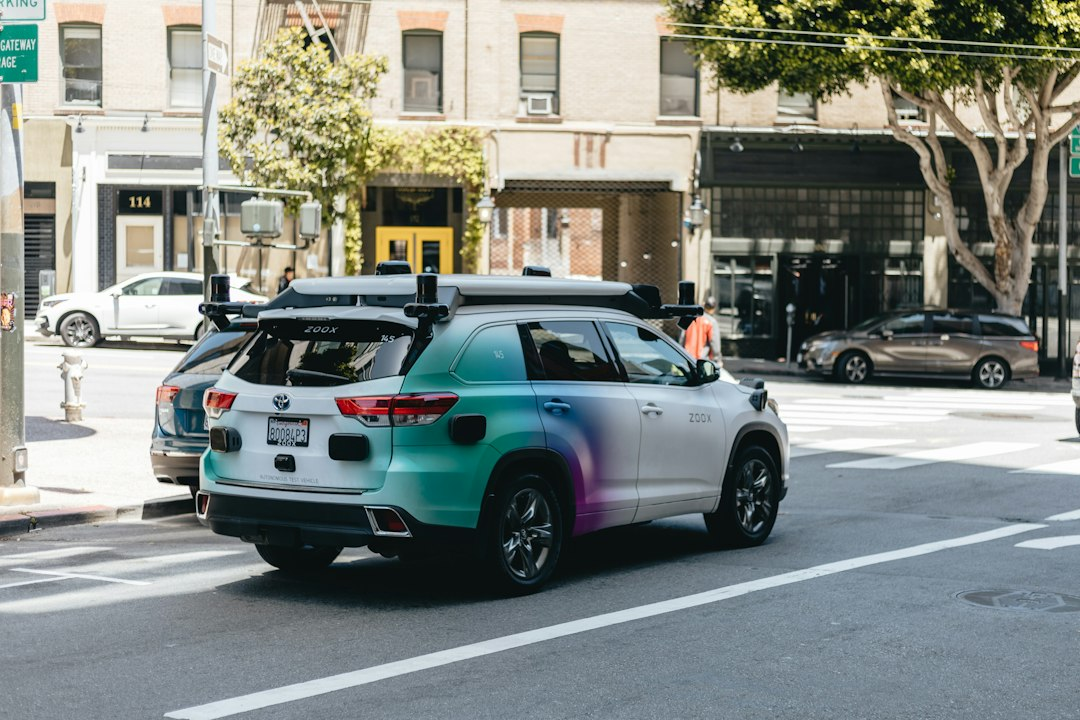
Priya peels off her scrubs at 11:40 p.m. and checks her phone. Her shift at an Austin hospital just ended, and she doesn’t own a car. A month ago, a ride home sometimes took twenty minutes to show up, long enough to stand outside alone. Tonight the app shows a car two minutes away, no driver behind the wheel. That small change is what a sudden jump in Tesla’s Robotaxi Austin fleet looks like from the back seat.
Tesla says its Cybercab count in Austin grew roughly eightfold in thirty days, from about 38 to more than 300. Not a Tesla App reported the jump on October 10. Outside trackers who count vehicle registrations put the real number closer to 169. Either way, there are a lot more driverless cars on Austin’s streets than there were a month ago.
Why the Tesla Robotaxi Austin Fleet Growth Matters to Riders
A fleet number sounds like a business footnote. For riders, it’s the whole story. Back in May, reporters documented “Texas-sized wait times” for Tesla’s robotaxi service across Austin, Dallas, and Houston. A thin fleet meant long waits, no-shows, and riders giving up and opening a regular rideshare app instead.
Thin fleets also push prices up. Uber and Lyft often double a fare during late-night surge pricing, turning a $15 ride into $30 or more. A bigger robotaxi fleet adds supply right when demand spikes: last call, shift changes, red-eye flight pickups. More cars chasing the same riders keeps fares closer to normal, even at 2 a.m., and it shrinks the time you spend on the curb checking your phone.
Who Gets a Shorter Wait, Exactly
This isn’t just a win for Tesla’s balance sheet. A few specific people feel it directly:
- Shift workers like Priya, who need a dependable ride when buses stop running and rideshare drivers thin out.
- One-car households and retirees, who gain a near on-demand backup instead of waiting on a single family vehicle or an infrequent bus.
- Anyone skipping the drive home after a night out, since a two-minute wait makes it easier to choose a ride instead.
- Students and visitors without a car, who get an after-dark option that used to be unreliable enough to avoid.
None of this erases the tradeoffs. Tesla hasn’t published fare or wait-time data to back up what riders are reporting, and the service still covers only a fixed slice of the metro area. Still, the math is simple: more cars on the road, supervised or not, means shorter waits. Other cities learned that from ride-hail apps years ago. Austin is just applying it to cars nobody is driving.
| When | Cybercabs Serving Austin |
|---|---|
| Early September 2026 | ~38 |
| October 10, 2026 | 300+ (Tesla’s count) |
Dallas Riders Are Next in Line
Tesla VP Ashok Elluswamy says Dallas gets the steering-wheel-free Cybercab next, though he hasn’t given a date. Dallas already runs supervised Model Y robotaxis across a 31-square-mile downtown zone. Adding the Cybercab would repeat Austin’s playbook: more vehicles, shorter waits, a real option at the hours people need one most. Public trust is shifting too, per the recent data on robotaxi skeptics coming around, and a fleet riders can count on is exactly the proof that wins someone over. It also tracks with the safety record behind Tesla’s FSD-driven insurance discounts, since insurers are betting on software now carrying hundreds of paying passengers a night.
Watch Austin’s wait times over the next few weeks. If they keep shrinking as the fleet grows, that’s the real proof this isn’t just a flashy headline number. It’s also the detail that decides whether Dallas riders get the same relief anywhere close to schedule.