
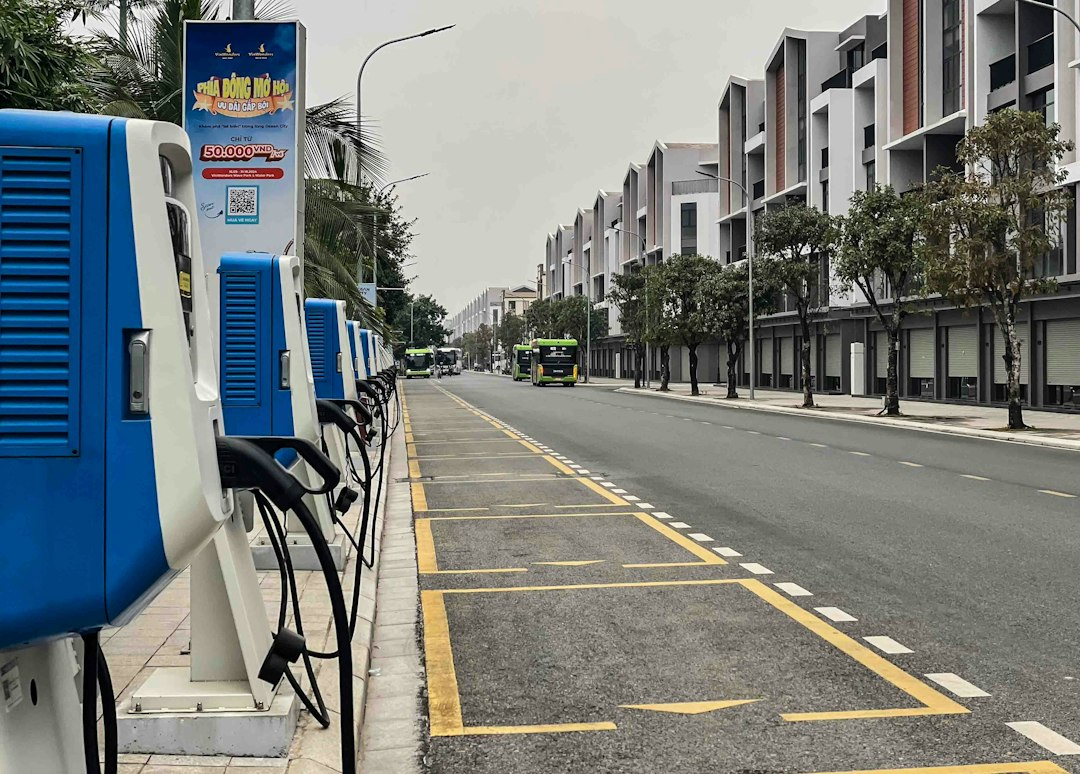
Picture Denise, a home health aide in Springfield, Illinois, who drives an electric car. She rents an apartment, so there’s no driveway, no garage, nowhere to plug in while she sleeps. For two years, she planned her night shifts around one charger near the highway. The new Springfield EV charging stations just fixed that problem for her, and for a lot of her neighbors too.
The city finished installing 40 new Level 2 charging ports across nine spots this week. Downtown blocks, commercial strips, city parks, and the University of Illinois Springfield campus all got new plugs. Taxpayers covered only a small slice of the bill. A federal grant paid for most of it, and residents like Denise are the ones who actually benefit.
Springfield EV charging stations close a real gap
Here’s what people miss about projects like this one. They’re not really built for people who already charge at home. They’re built for everyone who doesn’t. That includes renters, people in older housing without updated electrical panels, and anyone who parks on the street every night.
The full project cost $786,000. A $629,000 grant from the U.S. Department of Transportation covered most of that, funneled through the Illinois Finance Authority. Springfield became the first city in the state to finish every Level 2 port under this federal program. It’s called Charging and Fueling Infrastructure, or CFI for short.
Mayor Misty Buscher put it simply:
“This project supports both today’s residents and future growth of our community.”
What this actually saves you
Here’s the math that matters to a driver. These Level 2 chargers run about $0.26 per kilowatt-hour and deliver 25 to 35 miles of range per hour plugged in. Charge up for 30 miles that way and you’re paying roughly $3 to $4. Burn gasoline for the same 30 miles in an average car, and you’re closer to $12 to $14 at today’s prices.
- 40 new charging ports installed citywide
- 9 locations, including parks, campuses, and commercial zones
- $629,000 in federal funding covering most of the $786,000 project
- First Illinois city to finish all Level 2 installs under the CFI program
That’s real money staying in people’s pockets every month, especially for shift workers and small business employees who can’t afford to idle in a gas line before a 12-hour shift. Local businesses near the new stations stand to gain too. A driver who stops to charge for 30 minutes often wanders into a nearby coffee shop or lunch spot while waiting. Researchers at MIT found the same pattern play out near charging stations in other cities: more foot traffic, more spending, more business for the shops nearby.
Not the first city to figure this out
Springfield isn’t alone here. New York City added 700 curbside chargers to solve the exact same driveway problem for apartment dwellers. The Twin Cities built out their own charging network so more residents could go car-light without worrying about range. Illinois wants a million electric vehicles on its roads by 2030. Cities like Springfield are the ones actually building the infrastructure to make that goal realistic instead of just a talking point.
If you drive electric and don’t have a home charger, check whether your city has applied for CFI funding yet. If it hasn’t, that’s a question worth raising at the next city council meeting.