
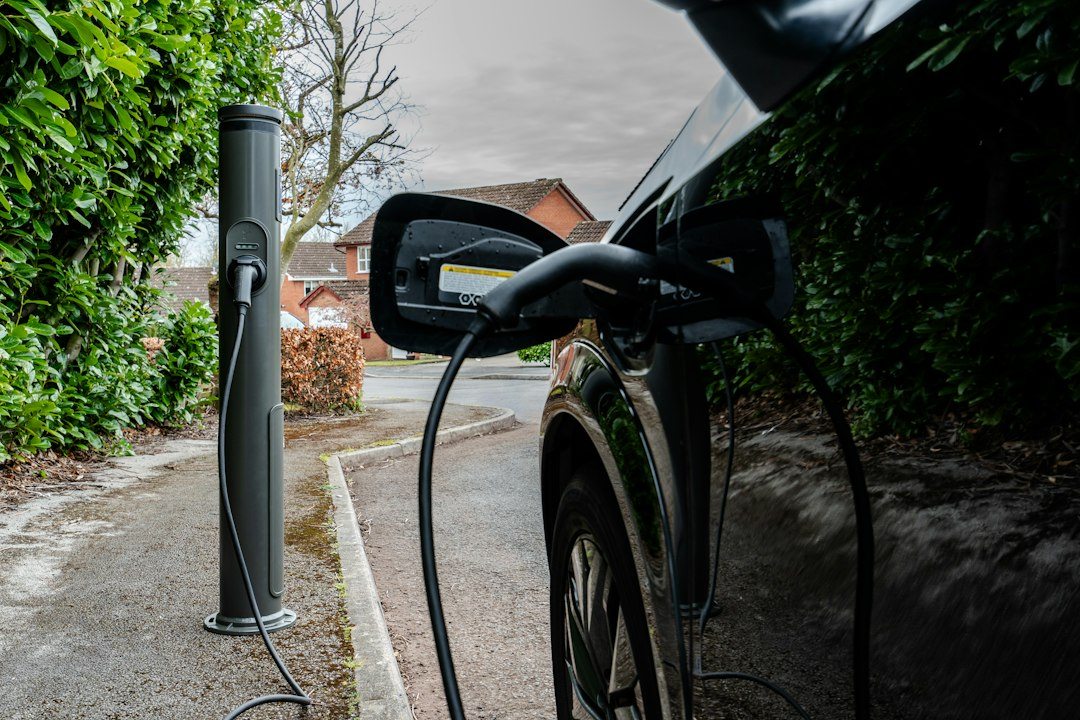
Marisol drives for a rideshare app four nights a week out of her one-bedroom apartment in Rego Park, Queens. She has no driveway. She has no garage. Until now, charging her electric car meant circling the neighborhood hunting for an open fast-charger, sometimes burning twenty minutes she could have spent earning fares instead.
That’s about to change. New York City’s Department of Transportation just picked a Brooklyn startup called It’s Electric to build out curbside EV charging across the five boroughs, adding 600 new chargers over the next three years. Combined with the 88 already running, the city will have nearly 700 plug-in spots bolted to buildings right at the curb. No parking garage required.
Who Actually Benefits From NYC’s Curbside EV Charging
The city didn’t spread these chargers evenly, and that’s the point. DOT prioritized neighborhoods with heavy taxi and rideshare driver populations and little off-street parking: Soundview and Unionport in the Bronx, Rego Park, Forest Hills and Far Rockaway in Queens, Red Hook, Carroll Gardens and Bed-Stuy in Brooklyn, the Upper West Side and Washington Heights in Manhattan, and Stapleton on Staten Island.
Renters and apartment dwellers make up most of these blocks. They’re exactly the people locked out of home charging, which has always been the easiest way to go electric. This program tries to bring that same convenience to a public curb instead.
What It Saves You in Real Dollars
Drivers who switch from gas to electric save roughly $1,400 a year on fuel, according to EV Connect’s 2026 pricing data. Even relying mostly on public Level 2 chargers like these, instead of a home outlet, the savings still land around $1,150 a year.
| Fuel type | Typical cost per mile |
|---|---|
| Gasoline | $0.11 to $0.17 |
| Home EV charging | $0.03 to $0.05 |
| Public curbside Level 2 | roughly $0.05 to $0.07 |
For someone putting 30,000 miles a year on a rideshare app, that gap is real money, not pocket change. It’s the difference between a car payment covered and a car payment missed some months.
Property Owners Get Paid to Host One
The chargers don’t sit on abandoned posts. It’s Electric mounts them on building fronts with the owner’s permission and covers the entire install, from electrical panel work to permits. In return, the owner earns passive income starting around $1,000 a year per charger.
That’s a rare arrangement in city infrastructure. A homeowner in Bed-Stuy gets paid for equipment that also lets a neighbor’s overnight home health aide or a weekend delivery driver plug in without circling the block first.
Not everyone is sold on the plan. Street-safety advocates worry that locking up curb space for EV charging means fewer bike lanes and less room for buses down the road, a concern Streetsblog dug into when the deal first broke. Former DOT policy director Jon Orcutt didn’t mince words:
“We’re essentially turning public streets into gas stations.”
It’s a fair critique, and worth watching once installation starts. Minneapolis and St. Paul already run a similar model, and it’s helping residents there go car-lite without a driveway of their own. For a rideshare driver who just wants to plug in near home instead of driving across town first, the trade-off already looks worth it.
DOT is taking public feedback on charger locations through an online portal before installation begins. If you live in one of the priority neighborhoods, that’s your window to request a charger on your own block, before crews show up in 2027.