
Can a protein powder grown from air, hydrogen and microbes pass a European safety review? According to Solar Foods, the Finnish company behind it, the answer on November 9 was yes. The company says the European Food Safety Authority (EFSA) found its ingredient, Solein, safe under the proposed conditions of use.
That is a scientific opinion, not a licence to sell. The European Commission still has to authorize the ingredient. This post covers what is verified, what comes next, and what is still unknown. We read the company’s announcement as reproduced in a stock-exchange filing and one trade outlet’s report. We did not open the EFSA opinion itself.
What EFSA Reportedly Found
Solar Foods says EFSA concluded that Solein is safe under the proposed conditions of use. The company also says the opinion covers “selected food categories” and is subject to final authorization by the European Commission. The filing does not name those categories.
The company calls itself the first in the world to receive a positive EFSA opinion for a novel food ingredient made by gas fermentation. That is Solar Foods’ own claim. We could not check it against EFSA records.
The application went to the Commission on October 29, 2021. Food Ingredients First noted the opinion arrived just over five years later. Novel food reviews are slow by design.
How Solein Gets Made
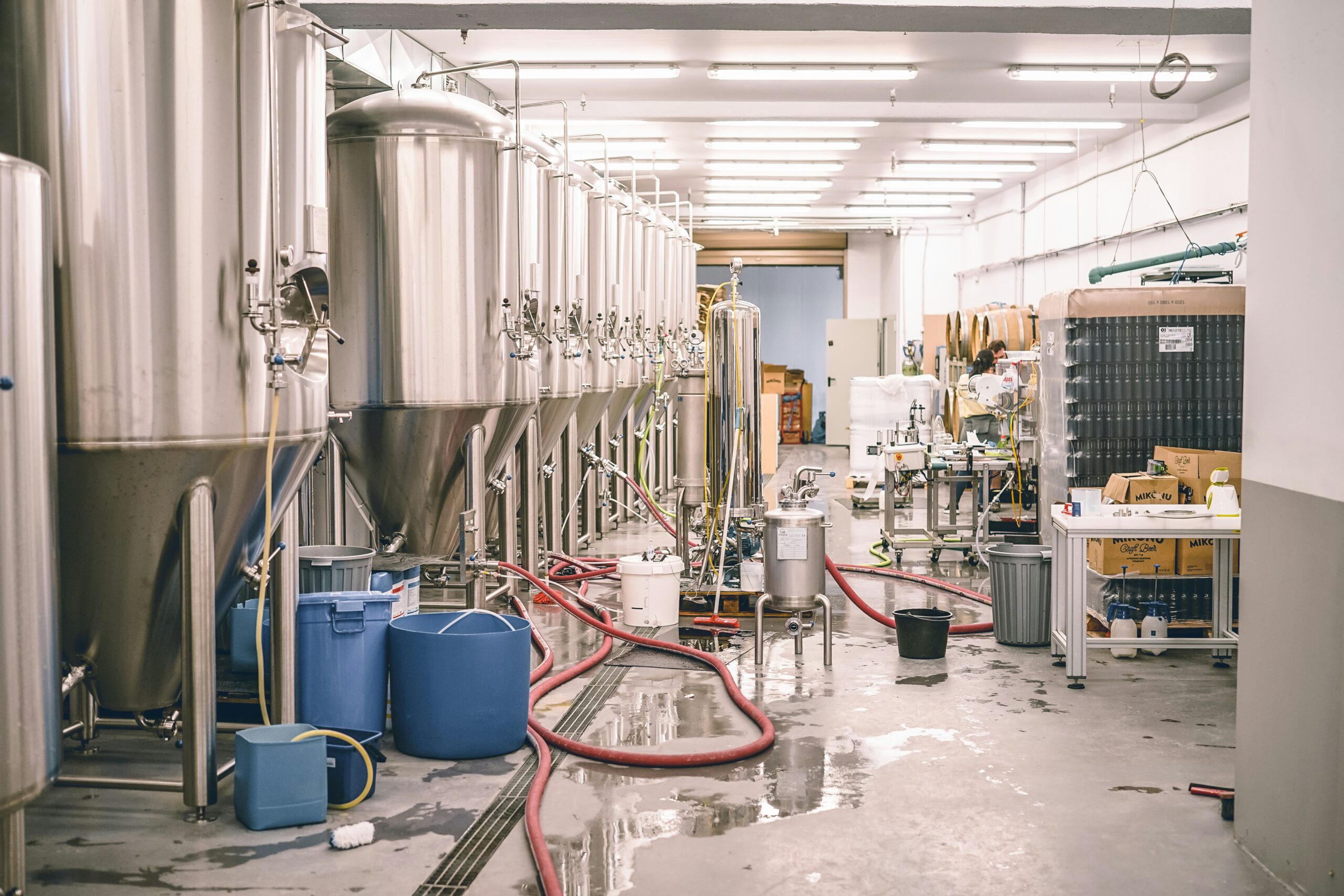
Solein is a protein-rich powder made from inactivated cells of a bacterium strain called Xanthobacter. Think of brewing, but the microbes eat gas instead of sugar. The cells grow in a closed tank fed carbon dioxide and hydrogen.
Solar Foods says the process is independent of weather and climate. That is a supply claim from the company. It is not a safety finding, and no independent trial of it appeared in the pages we read.
The company’s co-founder, Juha-Pekka Pitkänen, told Food Ingredients First in August that the powder can add creaminess to non-dairy ice cream and stand in for egg yolk in fresh pasta. He also noted its yellow colour is a drawback in pale foods. “We have to always find the correct recipe where it works,” he said.
What Happens Before It Reaches a Shelf
The Commission will draft an implementing act. Representatives of EU member states then vote on it. Solar Foods says no separate approval is needed in each country.
The company now estimates seven to nine months, based on recent novel food timelines. Food Ingredients First reads that as authorization between June and August 2027. The authorization would set which foods can contain Solein and at what levels.
Elsewhere, Singapore approved Solein as a novel food in September 2022. In the United States, Solar Foods reports an independent safety conclusion from 2024 and says it has a notification pending with the FDA. We did not verify either claim against a government page.
Fazer, the Finnish food company and Solar Foods’ largest shareholder, has worked on products since 2019. It sold a limited-edition chocolate bar with Solein in Singapore in 2024. Food Ingredients First reports Fazer is ready to launch in Europe once the ingredient is authorized.
Scale: One Small Plant, One Planned
Price matters as much as permission. No production cost or retail price appeared in the sources we read. Capacity gives some clue about how far off cheap protein is.
| Plant | Status | Capacity (metric tons per year) |
|---|---|---|
| Factory 01 | Existing | 160 by design; 230 targeted for 2026 |
| Factory 02, phase one | Planned, Lappeenranta, Finland; target end of 2028 | 3,200 |
| Factory 02, phase two | Planned | 6,400 in total |
Source: Food Ingredients First, November 10, 2026, citing Solar Foods. Company figures, not independently verified.
Factory 02 is not a done deal. Solar Foods says binding customer agreements and a complete financing package must come before a final investment decision. A Business Finland grant and loan of 77.8 million euros depends on that decision.
What We Could Not Verify
We did not open the EFSA opinion. The food categories, any conditions of use and any allergen findings are unconfirmed. The pages we read gave no allergen statement.
There are no farm results here, because this is not a farm technology. It is a factory process. The evidence is a company announcement, a regulatory opinion the company describes, and one trade report. Costs, taste at scale and shopper acceptance are all untested in Europe.
The company’s market estimate of about 7 billion euros in the EU and 11 billion euros in the United States by 2030 is a forecast from the seller. Treat it that way.
Why It Matters to You
Farmers: this is a protein that skips fields, so it could compete with crops grown for protein, though not soon at 230 tons a year. Grocery prices: no price exists yet, and the first target is premium sports nutrition. Food safety: EFSA’s review is a real step, but the full opinion needs reading. Water and environment: the company claims climate independence, but we saw no measured water or emissions data. On farms or shelves in Europe today: neither.
Sources
- Food Ingredients First, “Solar Foods’ Solein gains positive EFSA opinion as Fazer prepares EU launch,” November 10, 2026.
- Agronomics Limited regulatory announcement, via TradingView, November 13, 2026, reproducing the Solar Foods release of November 9, 2026.
- Solar Foods investor site (investors.solarfoods.com), undated homepage.
Related Reading
- Phytoform Files to Test a Bruise-Reducing Gene-Edited Potato in England: another food technology still waiting on regulators.
- Biobest Reports Its Polly Robot Can Pollinate a Hectare of Greenhouse Tomatoes: a company-reported result, read with care.
- Food Ingredients First on the Solein opinion and Fazer’s plans
- Solar Foods investor site