
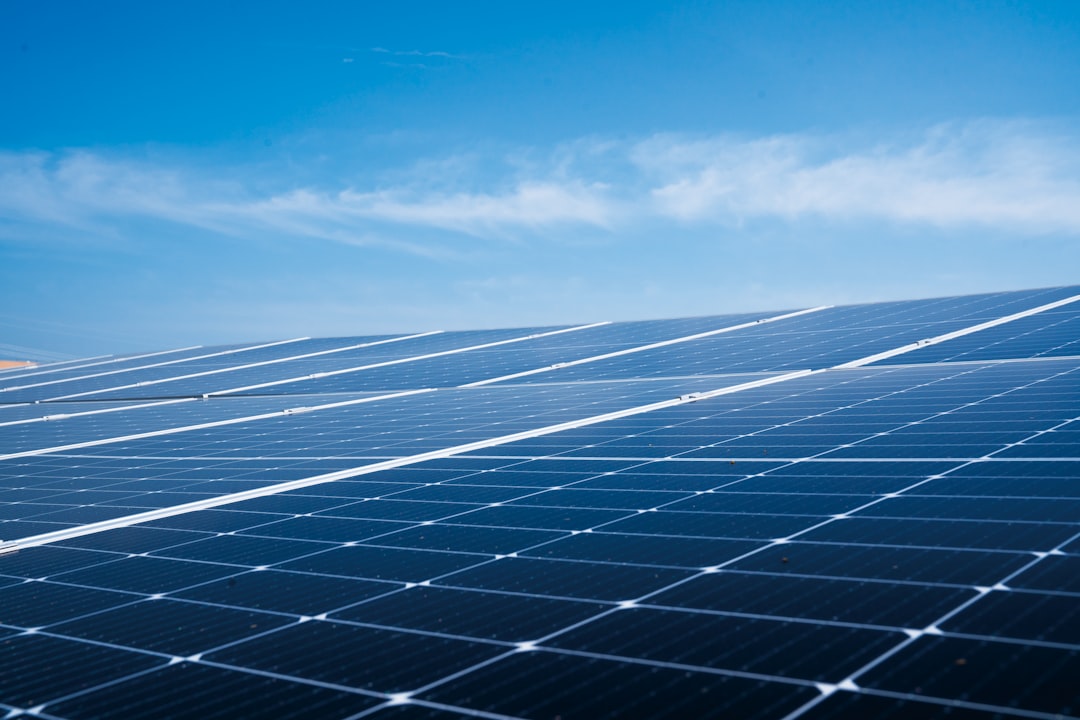
One solar panel, gone every sixty seconds. That is the pace a new solar panel recycling plant outside Dallas plans to hit once it opens, turning a growing pile of retired rooftop and utility panels into raw materials the country badly needs. For the millions of American homeowners who went solar over the past fifteen years, it answers a question nobody likes to ask: what happens when the panels wear out?
Right now, the honest answer is not great. American recyclers currently pull only the cheapest parts out of most retired panels, the aluminum frames and glass, while everything else ends up in a landfill or overseas for partial processing. The silver, copper, and silicon inside, the materials that actually make a panel generate electricity, mostly go to waste.
Solar Panel Recycling at the Speed of the Solar Boom
We Recycle Solar broke ground on a 10-acre facility that will process one panel per minute and recover 96 percent of its materials, including silver, copper, silicon, aluminum, and glass. Founder and CEO Adam Saghei put it plainly: “Solar panels contain the exact critical materials the US supply chain desperately needs, but until now, no American company has been able to recover their full resources at such scale.” The company plans to open the plant in the third quarter of 2027, then invest roughly $100 million to build four more facilities like it over the following four years.
Why Homeowners and Future Generations Both Benefit
This kind of recycling solves two problems at once. It keeps waste out of landfills right as the US solar boom, which recently grew large enough to power more than 50 million homes, starts sending its first generation of panels into retirement. It also puts silver back into domestic hands during a global shortage now in its sixth straight year, easing pressure on a metal that solar manufacturers, electronics makers, and jewelers all compete for.
That matters for your wallet even if you never set foot near Dallas. When manufacturers can source silver, copper, and silicon from a Texas plant instead of new mines overseas, the cost and supply risk built into every solar panel eases. Pair that with domestic manufacturing pushes like Albuquerque’s new solar factory, and a clearer picture forms: cheaper panels, steadier supply chains, and fewer imported parts vulnerable to tariffs or shipping delays.
Fewer Panels in Landfills, More Jobs on the Ground
There is a jobs story here too. A commercial-scale recycling line running around the clock needs technicians, engineers, and workers on the floor, and Saghei’s plan for four more sites suggests this will not stay a one-plant experiment. Small towns near those future locations stand to gain steady industrial work built around cleaning up an industry’s own waste stream instead of creating a new one.
None of this changes how a solar panel performs on your roof today. It changes what happens to that panel in twenty years, and it changes whether the next one installed anywhere in the country leans a little less on mining overseas. Fixes like this rarely make headlines, but they are often what keeps a fast-growing industry from trading one environmental problem for another.
Read the original reporting at Electrek.