
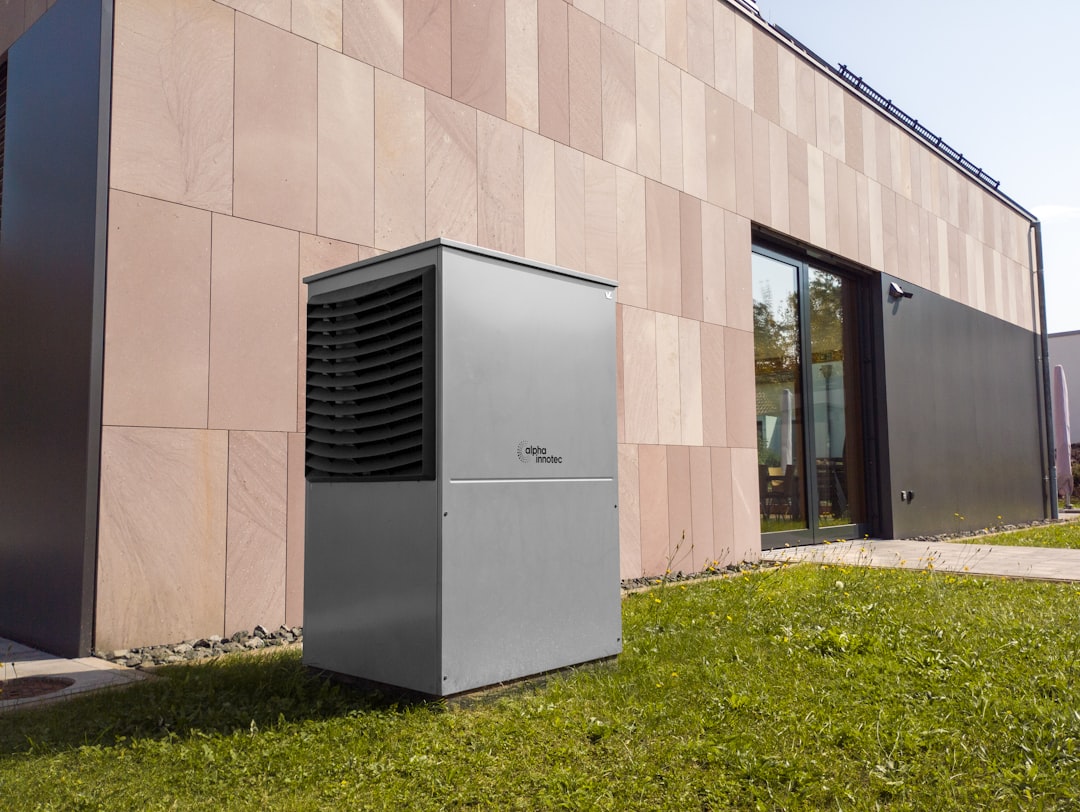
Just one percent of buildings in the United States pull their heat from the ground beneath them. A geothermal drilling breakthrough out of Boston might be about to change that math, and fast.
Geothermal heat pumps are about as close to a free lunch as home heating gets. They use the earth’s steady underground temperature to warm a building in winter and cool it in summer, and they run on a fraction of the electricity a furnace or air conditioner needs. The catch has always been drilling. Boring the wells that geothermal systems need can cost up to five times more than installing a standard air-source heat pump, and that price tag has kept the technology out of reach for most homeowners, school boards and small business owners.
A startup called Dig Energy just finished proving there’s a cheaper way.
Inside the Geothermal Drilling Breakthrough
Dig completed its first commercial installation at Suffolk Construction’s Boston headquarters, a building known as 100MAG, drilling seven boreholes to feed a geothermal heating and cooling system. Instead of grinding through rock with a conventional rig, Dig’s drill fires a water jet at 10,000 pounds per square inch and leaves the drill string in the ground, where it doubles as the heat exchanger. CEO Dulcie Madden describes it as “a known industry practice that’s being adopted in a novel way for the first time.” Canary Media, which first reported the project, says crews finished the work in about two weeks from a footprint no bigger than a few parking spaces, all while construction continued around them.
The company says the technique can cut drilling costs by up to 80 percent. It also used one-tenth the water of a standard rig and generated 75 percent less spoil material to haul away.
Why the Quiet Matters to the People Next Door
Numbers on a spec sheet only tell half the story. Traditional geothermal drilling sounds like a construction site running a jackhammer for weeks. Dig’s rig ran so quietly that workers standing beside it could hold a conversation, and people in nearby buildings never noticed. That difference matters enormously for anyone who lives or works near a job site: office employees who don’t want their calls drowned out, apartment dwellers above a retrofit, parents dropping kids off at a school with a playground fifty feet from the drill rig. Quieter, smaller, faster work means clean heating upgrades can happen in the middle of a busy city without disrupting the people around them.
What Cheaper Geothermal Could Mean Down the Road
Dig already has more New England installations planned at grocery stores, utility facilities and college campuses. Each project builds a track record that makes lenders and building owners more comfortable saying yes to geothermal, much like cheaper solar panels followed cheaper manufacturing. If drilling costs keep falling, the technology could reach apartment buildings and single-family homes, not just corporate headquarters. That means lower monthly heating and cooling bills, fewer gas furnaces polluting neighborhood air, and steadier demand on the power grid instead of the winter spikes that come from burning fuel to stay warm. Schools already know what dropping a fossil fuel bill is worth, since solar-powered classrooms now free up money for teachers and supplies. Cheaper geothermal drilling could hand towns and homeowners a similar win, powered by the ground instead of the sun.
None of this happens overnight. But every borehole Dig drills without the noise, the water use or the eye-watering price tag makes the next one, and the one after that, a little easier to justify.