
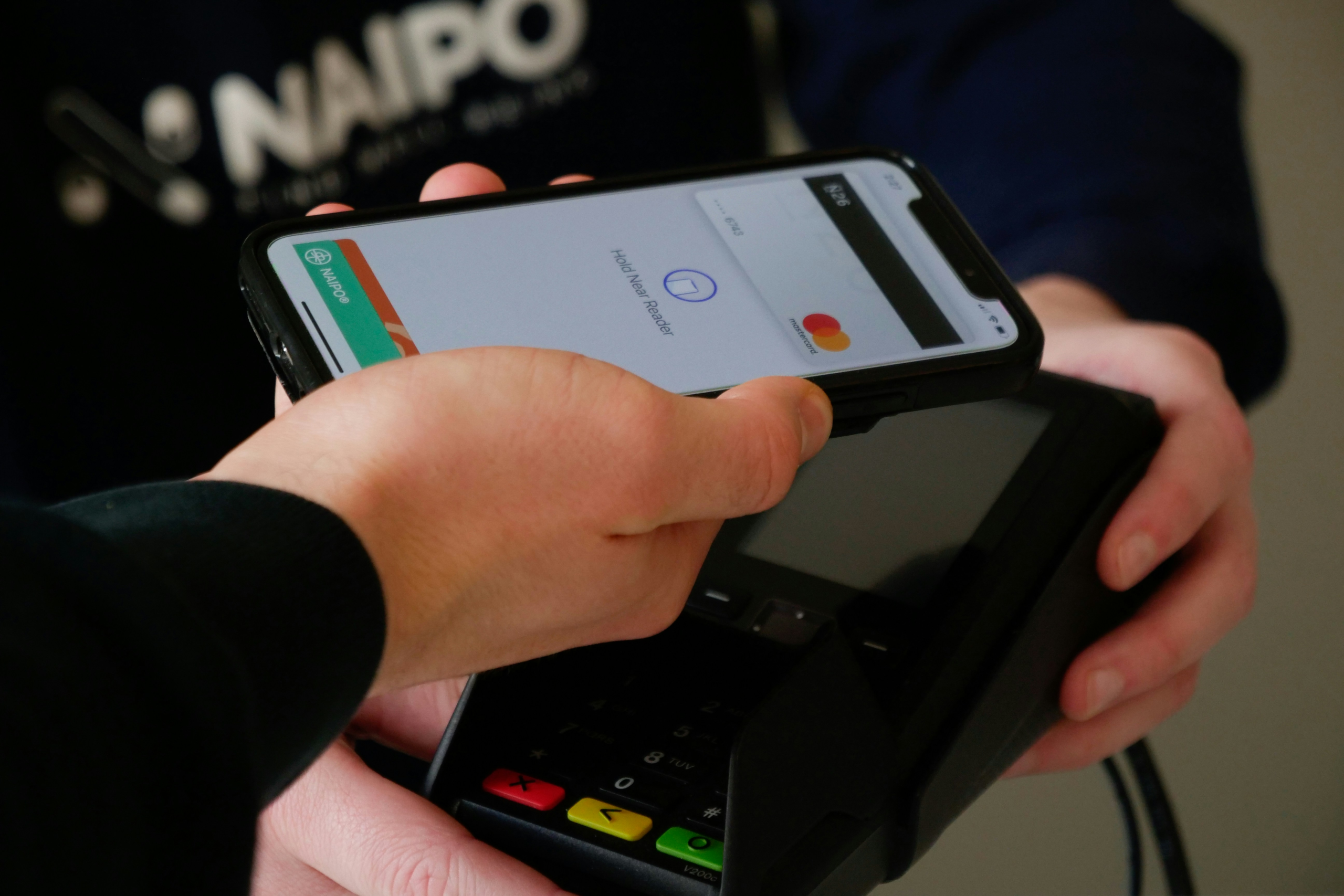
Picture Marisol, a home health aide in Los Angeles who works night shifts so she can send $200 to her mother in San Salvador every month. Until this week, a chunk of that money vanished into fees before it ever reached home. That’s exactly what the new Sivar remittance app was built to fix.
Salvadorans sent close to $9 billion home in 2025, and 92% of it came from the United States. A real slice of every transfer disappeared into fees instead of rent, medicine, or school supplies.
Why Bitcoin Failed and Stablecoins Stepped In
Five years ago, President Nayib Bukele made El Salvador the first country to adopt bitcoin as legal tender. It made headlines, not a dent in daily life. A University of Central America survey found 92% of Salvadorans had never used bitcoin as of 2024, and only 1.75% of remittances moved through crypto wallets that year.
Bitcoin’s wild price swings explain why. A currency that can lose value overnight excites traders. It terrifies a mother who needs to know exactly how much rent money just landed in her account.
On September 29, El Salvador’s government partnered with fintech startup Modveon to launch Sivar, an app that trades bitcoin’s volatility for a dollar pegged stablecoin. PYMNTS first reported the shift, and BeInCrypto called it the clearest sign yet that the country’s bitcoin bet has quietly given way to something more practical.
Inside the Sivar Remittance App: A $2 Flat Fee That Adds Up
Here’s the number that matters most: Sivar charges $2 to send money from the US to El Salvador, no matter the amount. Compare that to today’s average. World Bank data puts the cost of sending $200 through this corridor at $6.97, or 3.48%. Some providers charge up to $11 for the same transfer.
| Amount Sent | Typical Fee Today | Sivar Flat Fee | Extra Cash Kept |
|---|---|---|---|
| $100 | ~$3.50 | $2.00 | ~$1.50 |
| $200 | $6.97 | $2.00 | $4.97 |
| $500 | ~$17.40 | $2.00 | ~$15.40 |
That gap adds up fast. A family receiving $200 a month could keep almost $60 more a year. One receiving $500 at once could save over $15 on a single transfer. Multiply that across the 1.6 million Salvadoran households that depend on money from relatives abroad, and the savings stop being small.
Speed matters just as much as the fee. Sivar settles transfers in seconds on Coinbase’s Base network, not the one to three business days many wire services still take. Recipients can still collect cash at more than 1,000 locations across the country, but the money sits there ready the moment it’s sent.
A Safer Way to Send, Not Just a Cheaper One
Sivar verifies every user against their national ID card. That single step should make it harder for scammers to intercept a transfer, a real risk in a remittance market built around families who cannot afford to lose even one payment.
“Bringing that cost down to a flat fee, settled in seconds, is exactly what modern payment rails were supposed to do.”
Faryar Shirzad, Coinbase
For a nurse working overnight shifts to support parents back home, or a construction worker sending savings to a spouse raising kids alone, that mix of speed, cost, and identity checks is not a technical upgrade. It’s one less thing to worry about at the end of an already long week.
Sivar isn’t the only project chasing this fix. World Money recently pushed for free, instant transfers abroad, and stablecoins are already reshaping M-Pesa transfers in Kenya. Fintechs everywhere are racing to solve the same broken math: sending $200 home should not cost $7.
Watch what happens next. If Sivar holds that $2 fee as it scales past its 25,000 person pilot group, other remittance dependent countries will want to copy it. If it can’t, families will notice immediately, because that fee gap was never abstract. It was groceries.