
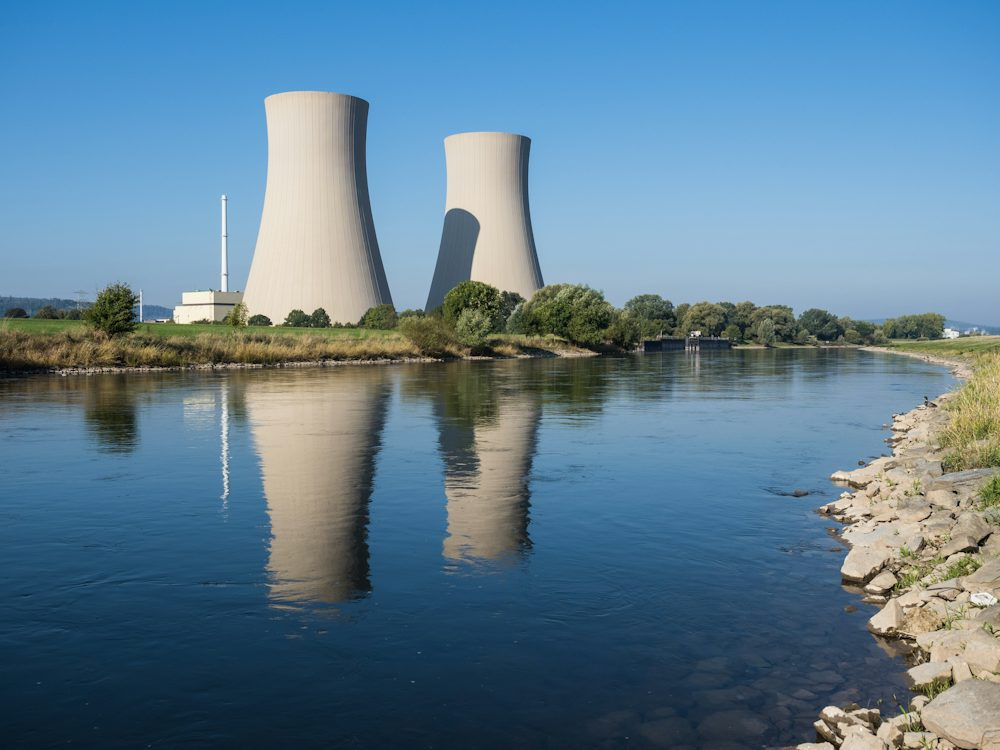
“We have become the 33rd country in the world to produce and generate nuclear power.” Bangladesh’s science and technology minister, Fakir Mahbub Anam, said those words standing at the Rooppur plant on the Padma River on November 17, a few hours after its first reactor fed power into the national grid for the first time in the country’s history.
At 3:16 p.m. that Tuesday, Unit 1 of the Rooppur Nuclear Power Plant made its first grid connection, synchronizing with Bangladesh’s national grid. By 3:45 p.m., it was pushing 350 megawatts onto the network, according to Power Grid Bangladesh PLC, the state-owned distributor that reported the test. The plant stayed connected for 8 to 10 hours before disconnecting, exactly as planned. This wasn’t commercial power yet. It was a test, the kind every new reactor has to pass before regulators let it run for real. But it’s a real step. Nuclear Newswire reported it independently, and the World Nuclear Association, the global nuclear industry’s trade group, issued a statement the same day congratulating Bangladesh.
Inside Rooppur’s Grid Connection Test
Grid synchronization sounds technical because it is. Engineers have to match a reactor’s voltage and frequency to the grid’s before they can safely connect the two. Get it wrong and you risk tripping breakers or damaging equipment. Rooppur’s operators used the test to check the turbine, the generator, and the systems that coordinate the plant with the wider network, according to bdnews24’s report from the site.
This was the first of several planned phases. The Bangladesh Atomic Energy Commission says the plant will disconnect for about 28 hours of technical checks, then reconnect for another 4 to 6 hours. If those results hold up, Rooppur needs sign-off from the Bangladesh Atomic Energy Regulatory Authority (BAERA) before moving to the next round of trials. Zahedul Hasan, managing director of Nuclear Power Plant Company Bangladesh, told reporters the full trial process could run 7 to 8 months before the plant reaches commercial operation.
None of this happened quickly. Unit 1 reached first criticality back in October, after a safety-valve fault pushed the schedule past its original target. Construction itself started in 2017. Russia and Bangladesh signed the deal in 2011, but people in Bangladesh had talked about building a reactor on this stretch of river since the early 1960s.
“Rooppur 1 is much more than Bangladesh’s first nuclear power reactor; it is a transformative investment in the country’s future,” said Sama Bilbao y León, director general of the World Nuclear Association.
The Reactor, by the Numbers
- Design: VVER-1200, a Gen III+ pressurized water reactor from Russia’s Rosatom, the same design family already supplying power at China’s Tianwan plant
- Capacity: 1,200 megawatts per unit, 2,400 megawatts once both units of the two-reactor plant are running
- Builder and financier: Rosatom subsidiary Atomstroyexport, under a contract signed in 2015
- Cost: about Tk 1.39 trillion, after currency depreciation added an estimated Tk 260 billion to the original budget
- Schedule: originally targeted for December 2025, now extended twice to June 2028
- Unit 2: fuel loading expected to finish by June 2027, a year or so behind its sister unit
Where the Evidence Stops
A successful grid-sync test is not the same as a finished power plant, and it’s worth being specific about the gap between the two.
- No commercial electricity has been sold yet. Tuesday’s 350 megawatts was a controlled test, not a sustained supply to homes or businesses.
- Trial operations at rising power levels still have to clear BAERA approval at each stage. Any one of those stages could turn up a problem that pushes the commercial-operation date further out.
- The project has already missed one deadline by more than two years. A company press statement is not a guarantee the June 2028 timeline holds either.
- Once commercial operation starts, Nuclear Power Plant Company Bangladesh takes over from Atomstroyexport. No source has detailed how that operational handover will work in practice.
- Nobody involved has published a per-kilowatt-hour cost estimate for Rooppur power, so it’s not yet possible to say what this means for Bangladeshi electricity bills.
Why It Matters to You
If you don’t live in Bangladesh, this story probably won’t touch your electric bill. But it’s worth paying attention to for two reasons that do reach further.
- For roughly 178 million people in Bangladesh, Rooppur is meant to add a large block of steady, low-carbon power to a grid that has leaned heavily on imported fuel and gas. The World Nuclear Association’s own statement frames it as a way to strengthen energy security and cut fossil-fuel dependence, though no source has published numbers on how much it will lower fuel-import costs.
- For anyone tracking where nuclear power is headed globally, Rooppur is proof that Rosatom’s VVER-1200 design keeps landing new customers and clearing operational milestones, the same reactor family already running in China. Every reactor that reaches this stage adds real operating data, which matters to any country, utility, or regulator sizing up whether to bet on the same technology.
Neither benefit arrives today. Bangladesh is still months of testing away from counting on Rooppur for real electricity.
What to Watch Next
Two dates matter more than this week’s headline. Watch for BAERA’s sign-off on the next trial phase, expected in the coming months, and watch whether Rooppur actually reaches commercial operation on anything close to its 10-month trial timeline. A project that has already slipped twice has earned some skepticism about its next deadline too.
Sources
- World Nuclear Association: World Nuclear Association Welcomes Rooppur 1 Grid Connection in Bangladesh (Nov. 17, 2026)
- Nuclear Newswire: Bangladesh’s Rooppur begins supplying nuclear electricity to grid (Nov. 19, 2026)
- bdnews24.com: Rooppur nuclear plant feeds national grid for first time (Nov. 17, 2026)