
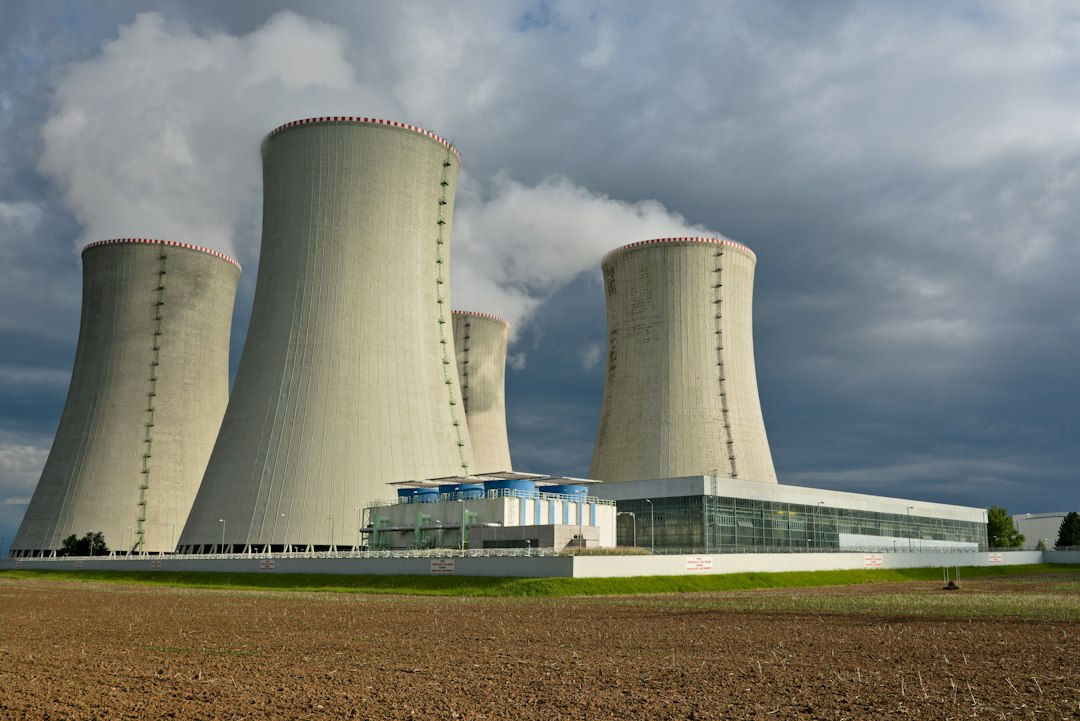
Bangladesh is about to become the 33rd country on Earth to generate nuclear power. On October 8, 2026, the country’s nuclear regulator cleared the last safety hurdle for the Rooppur nuclear reactor startup. It was the final check before engineers trigger the plant’s first real chain reaction. Officials expect that reaction, called criticality, to begin within days.
Getting here took longer than planned. Regulators originally penciled in this step for September. Then inspectors found a problem with the automatic pressure relief valves. Those safety devices vent steam if pressure inside the reactor climbs too high. Russian engineers repaired the valves and ran two high-pressure tests. The Bangladesh Atomic Energy Regulatory Authority, known as BAERA, signed off on Thursday.
BAERA chairman Mahmud Hasan explained the decision to Dhaka Tribune:
“After verification by local and international experts, the licence for the next stage was issued today.”
That is not a throwaway line. It is the entire point of nuclear safety culture. Catch the flaw. Fix it. Prove it. Then move forward.
A Stuck Safety Valve Held Up the Reaction
Rooppur runs on two Russian-designed VVER-1200 reactors, each rated at 1,200 megawatts. If the schedule holds, one unit alone could start feeding roughly 300 megawatts to Bangladesh’s grid by December. Together, both units could eventually generate enough electricity for several million Bangladeshi households.
Why This Rooppur Nuclear Reactor Startup Matters Beyond Bangladesh
Here is the part that actually touches your wallet, even if you live nowhere near Ishurdi. Every country that finishes a reactor without a cost blowout makes the next one cheaper and faster everywhere else. This site covered a VVER-1200 unit that took five years to build, compared with fourteen years for a similar American project. Rooppur proves the welders, inspectors, and supply chains behind these reactors can scale across borders, not just within one country.
Picture a shop owner in Dhaka who loses power twice a day during the hottest months and keeps a diesel generator running just to save her refrigerated stock. Diesel backup power commonly costs three to five times more per kilowatt hour than grid electricity, according to industry estimates. Once Rooppur starts feeding steady power to the grid, Bangladesh’s utility expects to lean less on that expensive backup fuel. That should mean fewer scheduled outages and smaller generator bills for small business owners like her. The same math applies anywhere nuclear power displaces diesel or gas peaker plants: steadier bills, fewer fuel price swings, and quieter, cleaner neighborhoods. World Nuclear News has tracked this same commissioning pattern across other VVER-1200 projects worldwide.
What Still Has to Happen Before the Lights Switch On
Criticality is not the finish line. Three steps remain before Rooppur sends a single watt to homes:
- Load all 163 fuel assemblies and confirm the reactor holds a stable, low-power chain reaction
- Raise thermal output in stages, with safety checks at roughly 20 and 30 percent power
- Connect to the national grid at low power, then ramp toward full output over several months
Officials hope for trial grid power by late December, with seven to eight months of staged testing to follow.
I have watched enough reactor startups get rushed to appreciate one that got delayed for the right reason. A plant that fixes its valves before it goes critical is a plant worth trusting with the lights. Watch Ishurdi closely this month. The moment this story stops being paperwork and starts being power is close.