
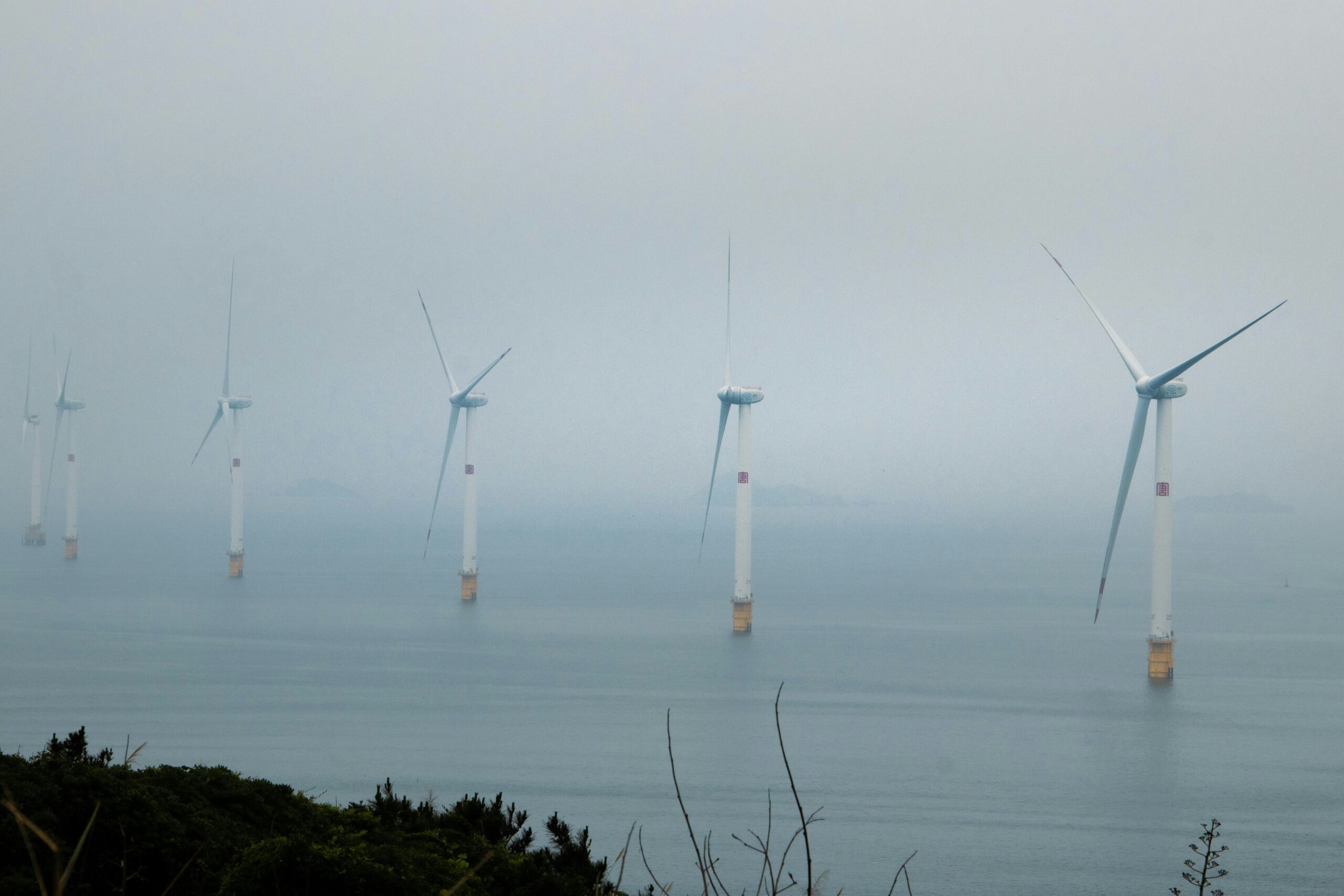
Revolution Wind, the 704 MW offshore wind farm south of Rhode Island, has now installed all 65 of its turbines. Trade outlet Offshore Engineer reported the milestone on September 21, 2026.
What’s new
- All 65 of 65 turbines are installed (Offshore Engineer, September 2026).
- Some electricity has been flowing to the New England grid since March 2026, when the project was about 90% complete.
What stays the same or isn’t confirmed
- Full commercial operation is still expected by the end of 2026, according to Ørsted’s CEO as quoted by Connecticut Public.
- The developer expects the farm to supply more than 350,000 homes and businesses once fully operational. The reports don’t explain how that number was calculated.
- The savings figures are state estimates, not measured results.
Who owns it and where it sits
The farm is a 50-50 joint venture between Ørsted and Skyborn Renewables, which is part of Global Infrastructure Partners. It sits more than 15 miles south of the Rhode Island coast. The project isn’t yet delivering its full output, and reaching it depends on finishing commissioning by the end of 2026.
The contracts and the savings estimates
Rhode Island and Connecticut utilities signed fixed-price, 20-year contracts for the power. NBC Connecticut reported that Connecticut agreed to buy 300 MW at 9 cents per kilowatt-hour. Connecticut’s energy agency (DEEP) describes a blended price of $99 per megawatt-hour for energy and renewable attributes on a 304 MW contract. The two figures differ slightly, and the published sources don’t reconcile them.
DEEP’s September 2025 preliminary analysis estimated that the project would lower wholesale energy and capacity costs across New England by roughly $500 million per year by 2028. That’s an annual estimate, not a one-time total, and not a bill credit. DEEP also projected an extra $150 million to $200 million in Connecticut public benefits savings over the 20-year contract. NBC Connecticut reported a Connecticut share of $125 million, consistent with DEEP’s statement that Connecticut bears 25% of regional costs.
Under the Connecticut contract structure NBC described, the utilities resell the power on the wholesale market. Ratepayers get a credit if the utilities profit and pay the difference if they lose money.
Construction setbacks
Connecticut Public reports that the Trump administration twice ordered halts to offshore wind projects on the Atlantic coast, citing possible radar interference. Developers sued each time, and work resumed. Construction continued after both pauses.
| Item | Figure | Source |
|---|---|---|
| Capacity | 704 MW, 65 turbines | Offshore Engineer; Connecticut Public |
| Turbines installed | 65 of 65 (Sept 2026) | Offshore Engineer |
| Full operation expected | End of 2026 | Connecticut Public |
| Projected regional savings | About $500 million per year by 2028 (estimate) | Connecticut DEEP |
Why It Matters to You
- If you buy power in Rhode Island, Connecticut or elsewhere in New England, part of this farm’s output is already reaching the grid, with full output expected by the end of 2026.
- State analysis projects lower regional wholesale costs, but those are estimates. NBC Connecticut notes customers won’t necessarily see lower bills, because other costs can offset the savings.
- In Connecticut, the contract structure means ratepayers could get a credit or pay a difference, depending on how the resale goes.
Quick answers
Is Revolution Wind producing power now? Yes, partly. Power began reaching the grid in March 2026. Full commercial operation is expected by the end of 2026.
Will my electric bill go down? Not necessarily. Connecticut’s analysis projects lower regional wholesale costs, but other factors can offset that, and the savings are estimates.
Who owns it? A 50-50 joint venture of Ørsted and Skyborn Renewables.
What was the stop-work order? Connecticut Public reports two federal halt orders on Atlantic offshore wind work, citing radar concerns. Developers sued, and construction resumed after each.
Sources
- Offshore Engineer: All 65 Turbines Installed at US Revolution Wind Offshore Wind Farm (Sep 21, 2026)
- Connecticut Public: Revolution Wind project on track for completion this year, developer says (Aug 17, 2026)
- NBC Connecticut: How much could Revolution Wind save electric customers in Connecticut (Mar 20, 2026)
- Connecticut DEEP: Stoppage of Revolution Wind project will increase costs for CT and New England ratepayers (Sep 9, 2025)