
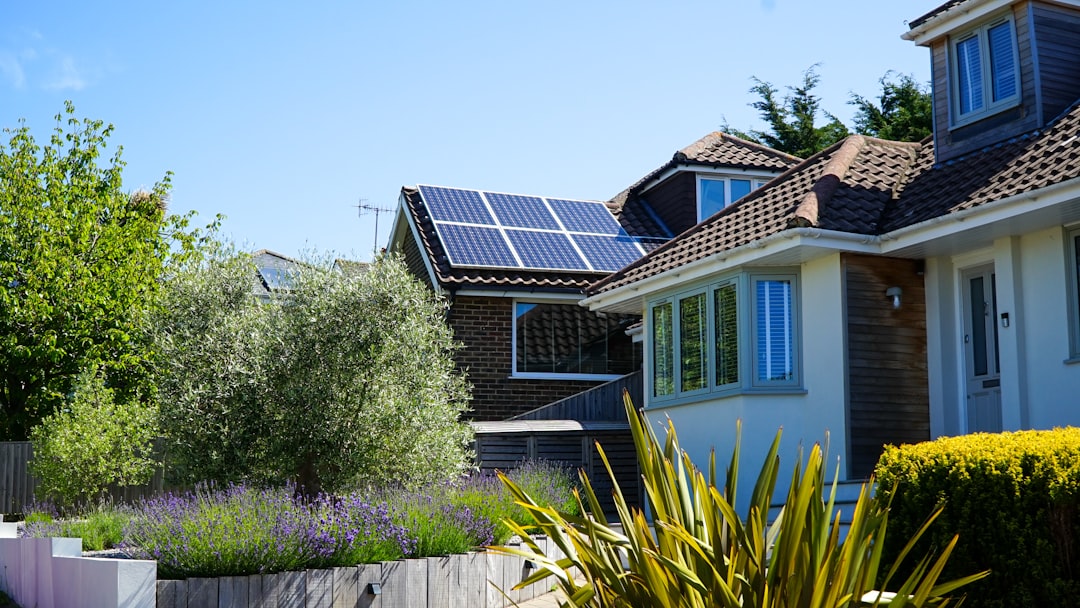
Picture Maggie, a retired schoolteacher outside Sleaford who has watched her winter heating bill climb for three years running. She’s never heard of “co-located battery storage” and doesn’t need to. What she needs is a bill that stops climbing, and the newly approved Beacon Fen solar farm is a small piece of that answer, even if she never sees one of its solar panels from her kitchen window.
What Just Got Approved, and Why It’s Bigger Than It Sounds
The UK government approved the Beacon Fen solar farm this month, and the numbers are hard to ignore. Once built near Sleaford in Lincolnshire, the 400-megawatt site will generate enough clean electricity to power roughly 130,000 homes every year, with up to 600 megawatts of battery storage on site to keep that power flowing after dark. I’ve read enough of these approval notices to know most never mention what a family actually saves. This one at least points in the right direction: UK government figures put large-scale solar commissioned in 2025 at around £41 per megawatt-hour, compared with roughly £114 for gas-fired power, and that gap works its way into household bills over time, whether or not a customer lives anywhere near Sleaford.
The Battery Is the Part That Actually Matters to Maggie
Solar panels only generate power when the sun shines, which is exactly the gap that has made past solar projects feel like a half-measure to skeptics. Beacon Fen’s battery storage banks surplus daytime power and releases it after dark or on cloudy days, smoothing out solar’s natural ups and downs. For a retiree like Maggie, that reliability matters more than the clean-energy headline: it’s the difference between a grid that strains during a cold snap and one that has a buffer built in.
What Changes Beyond Sleaford
Developer Low Carbon says the finished project will avoid about 72,000 tonnes of carbon dioxide every year, roughly equivalent to taking 16,000 cars off the road. The 1,600-acre site also includes hedgerow planting and habitat improvements, and regulators built community consultation into the approval to address farmland-use concerns raised during the review. Solar isn’t the only clean power source scaling up right now. Nuclear fuel supply chains are also expanding nationwide as utilities diversify where reliable, low-carbon electricity comes from.
I’d rather see ten projects like Beacon Fen than one flashy reactor announcement, because this is the unglamorous kind of infrastructure that actually shows up as a smaller number on Maggie’s bill and cleaner air on her walk to the shops, not just a ribbon-cutting photo.