
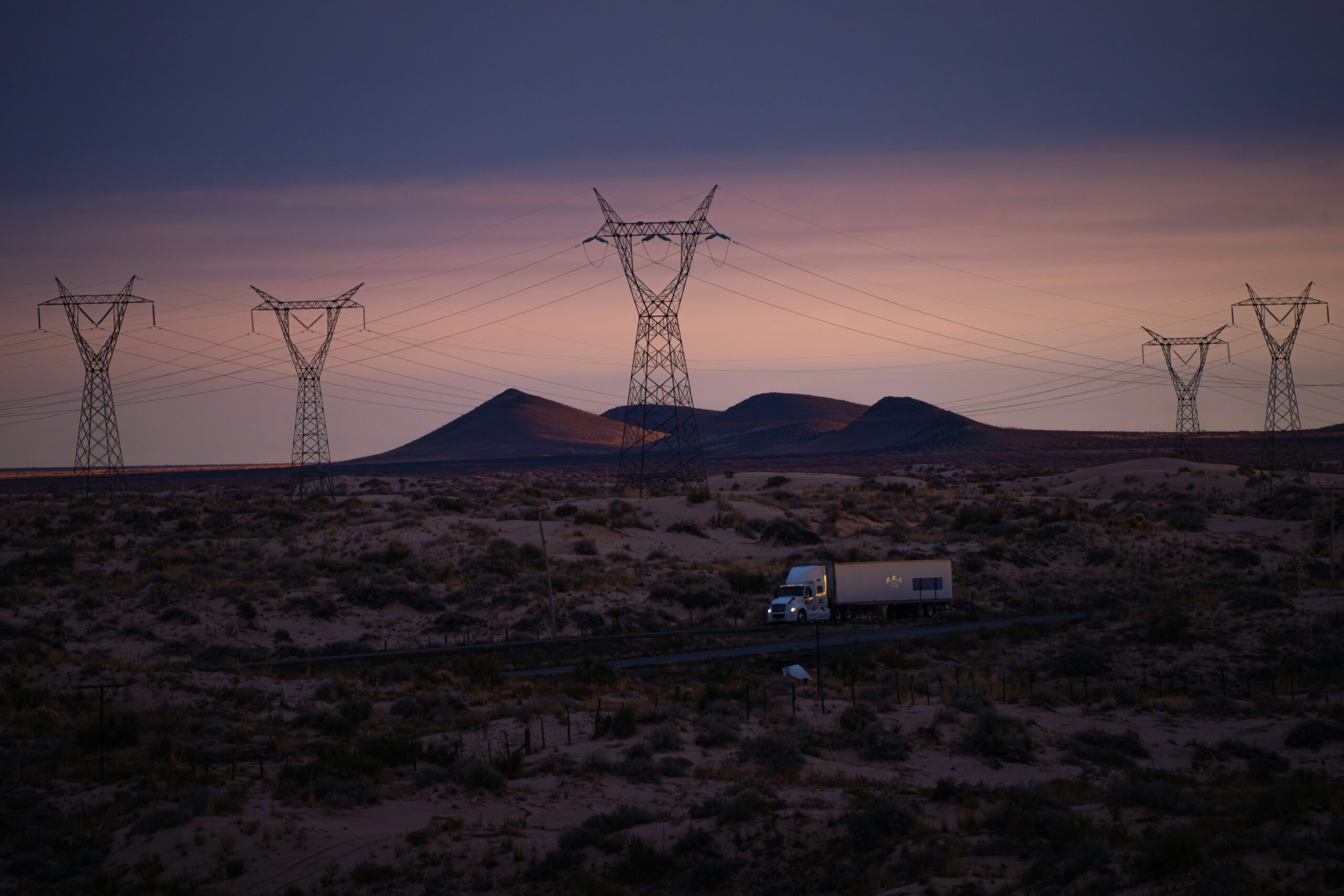
Picture Maria, a physical therapist in Riverside, California. Every July, her utility warns her to cut back on air conditioning between 4 and 9 p.m., or risk a blackout. She has a patient on oxygen and two kids doing summer homework in a warm apartment. A new source of reliable clean geothermal power just came online 700 miles away in Utah, and it could ease those tense July afternoons.
On September 24, Fervo Energy switched on Cape Station, the first commercial geothermal plant of its kind to produce electricity around the clock. Not just when the sun shines. Not just when the wind blows.
The Rise of Reliable Clean Geothermal Power
Old-style geothermal plants only work where hot water sits close to the surface, limiting them to places like Iceland or parts of Nevada. Fervo borrowed drilling tricks from the oil and gas industry to get around that. Crews drill two wells thousands of feet down, connect them through cracked hot rock, and pump water through the loop. It returns as steam and spins a turbine, and weather never shuts it off.
The first 33-megawatt unit is running now in Beaver County, Utah. Two more join it by January, bringing the first phase to 100 megawatts. Fervo has signed contracts for roughly 900 megawatts total, enough for nearly a million American homes once construction wraps up.
Why Your Bill Might Actually Notice
This is where it touches Maria’s afternoon dread directly. Southern California Edison and the Clean Power Alliance, which serves several Los Angeles County communities, both buy Cape Station’s power, and so does Google, which locked in 396 megawatts. Data centers are adding more new grid demand than almost anything else right now, and they draw much of the blame for rising rates. When a tech company contracts with a brand-new plant instead of drawing more from the shared grid, it eases pressure on the pool the rest of us pay into.
Then there’s the price. Fervo has cut its drilling costs fast:
- Cost per well: $9.4 million in 2022, down to $4.8 million now
- Time to drill one well: 71 days in 2022, down to 21 days now
- Industry target: $45 per megawatt-hour, roughly half today’s typical cost
If that trend holds, geothermal starts competing with natural gas on price, minus the emissions. That’s the difference between clean power staying a bonus for homeowners who can afford rooftop solar and becoming the default choice utilities reach for because it costs less.
“This is a gamechanger for the geothermal industry. It establishes EGS as the defining new power generation technology,” said Tim Latimer, Fervo Energy CEO.
Cleaner Air for the Neighborhoods That Need It Most
Round-the-clock power like this has a quieter benefit too: it can replace hours now covered by gas “peaker” plants, the ones that fire up only during high demand and are often sited in lower-income neighborhoods. Fewer peaker hours means less soot and smog in communities already carrying an unfair share of it. As Heatmap News has reported, Fervo isn’t the only company chasing this cost curve, and that competition is helping push prices down for everyone.
Tomorrowstechfuture.com has tracked this shift before: an earlier geothermal drilling breakthrough aimed at affordable clean heat, and a Minnesota college that used similar drilling advances to keep tuition costs down with its own wells.
Cape Station’s next two units come online by January, with a second, 400-megawatt phase due in 2028. Watch whether Fervo hits that $45 target as it scales. If it does, don’t be surprised when your own utility starts talking about geothermal instead of another gas plant.