
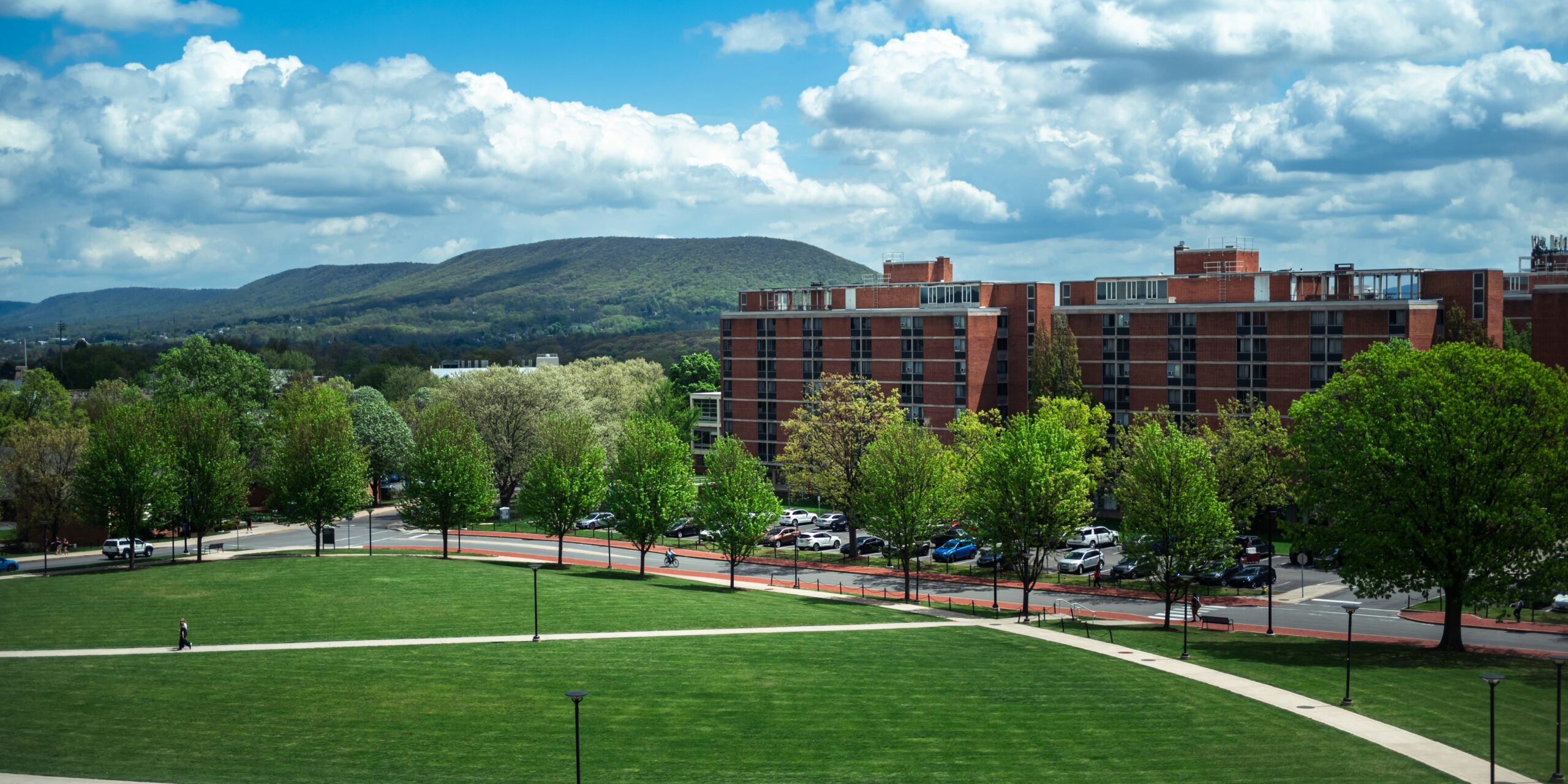
Marcus Whitfield is 52. He spent three decades running machines in a manufacturing plant before it closed. Now he’s back in school, training to become an HVAC technician at Minnesota State Community and Technical College’s Fergus Falls campus. This month, crews broke ground right outside his classroom on a campus geothermal heating system that will eventually warm and cool the entire 160,000-square-foot campus. For Marcus, it isn’t background noise. It’s the exact technology he may spend the next chapter of his career installing in homes across rural Minnesota.
M State held its groundbreaking on September 15. The $12.7 million project swaps 21 aging HVAC systems for one connected network of underground wells, as Fergus Now reported. Crews will drill roughly 280 wells, each 250 feet deep, tapping into steady underground temperatures to heat buildings in January and cool them in July. Minnesota’s legislature funded the work, and utility partner Otter Tail Power is helping bring it online.
Why Campus Geothermal Heating Saves Real Money
- $12.7 million total investment, funded through the Minnesota Legislature’s campus infrastructure program
- 280 wells, drilled 250 feet into the ground beneath campus
- 160,000 square feet of buildings heated and cooled by one system
- 21 aging HVAC units retired
- 10% cut in annual operating costs once construction finishes in fall 2028
That 10% figure matters more than it looks. Every dollar the college stops spending on a failing boiler is a dollar it can put toward keeping tuition steady, funding scholarships, or paying the instructors training students like Marcus.
“Projects like this are among the most important investments we can make,” said M State President Carrie Brimhall.
Vice Chancellor Brian Swanson called it the first Minnesota State campus to heat and cool its entire footprint with a ground-source system, according to Renewable Energy Magazine. That’s a bold claim for a system sitting 250 feet underground.
The Savings Aren’t Just for Colleges
Homeowners can tap the same physics. Certified geothermal heat pumps use 61% less energy than standard heating and cooling systems, according to ENERGY STAR. That adds up to nearly $830 saved a year, and more than $9,500 over 15 years, for a typical household. Upfront costs still run higher than a furnace, though rebates, tax credits, and utility financing keep narrowing that gap.
Public institutions have caught on faster than most homeowners. A New Hampshire town’s landfill solar deal is set to save taxpayers $10 million, and solar panels are already erasing lunch debt at rural Washington schools. M State’s geothermal system fits the same pattern: renewable infrastructure that pays for itself in years, not decades, while cutting carbon emissions the whole time it runs.
Why This Should Matter to You, Even If You Don’t Live in Minnesota
Drilling 280 wells takes work. That work means steady paychecks for drillers, electricians, and HVAC crews in a town of about 14,000 people through 2028. It also means students like Marcus graduate having actually installed the systems they’ll be selling and servicing for the next 30 years, not just reading about them in a textbook.
Every ton of carbon this system keeps out of the air is a ton nobody’s kids will have to deal with later. Cleaner air near a heating plant isn’t abstract. It means fewer particulates in a Minnesota winter, when cold snaps already strain lungs and budgets.
The ground under your own house holds the same steady heat M State just tapped. The real question isn’t whether geothermal works. It’s who drills the first well in your neighborhood, and whether your utility will help pay for it.