
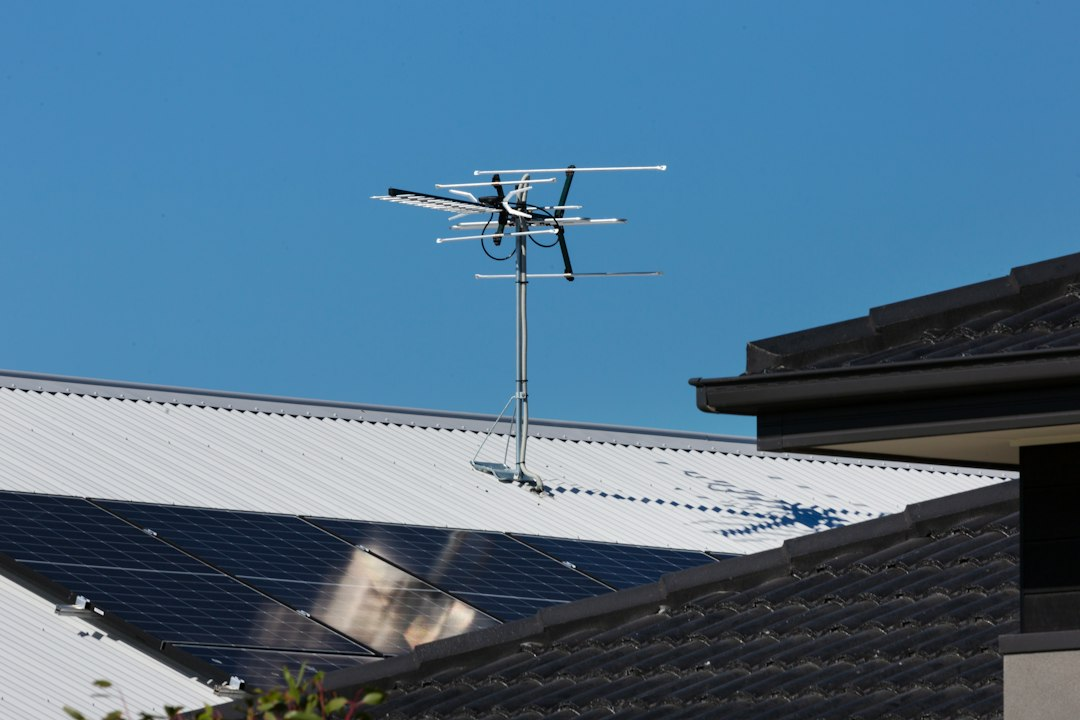
Picture Teresa, a home health aide finishing a night shift in a sixty-year-old ranch house outside Rochester. She wants rooftop solar to shrink her electric bill. Her installer delivers bad news first: the house’s old 100-amp panel can’t handle it. Before a single panel goes up, she needs a full electrical service upgrade. The quote comes to $3,400, plus a six-week wait for permits and inspection. That gap between wanting solar and affording it is exactly what New York’s new meter socket adapter pilot just closed.
New York’s Meter Socket Adapter Pilot, Explained
On October 5, the New York Public Service Commission approved a statewide pilot. It runs two years and centers on meter socket adapters. These are compact devices that fit between a home’s electric meter and the meter box on the wall. A licensed electrician installs one in under an hour. It lets solar panels, home batteries, and EV chargers connect right at the meter. Homeowners like Teresa can skip the main panel upgrade entirely.
New York isn’t inventing this from scratch. Utilities in Colorado, Arizona, Oregon, and Northern California already use similar adapters. New Jersey passed a law requiring them statewide. New York just became the biggest state yet to commit, with applications expected to open in June 2027.
The New York Solar Energy Industries Association called the decision a real step forward:
“an important step toward reducing the cost of residential solar and battery storage for New Yorkers.”
The Real Price Tag of the Old Way
Panel upgrades are not a minor line item. Here’s roughly how the two paths compare for a typical homeowner:
| Panel upgrade (old way) | Meter socket adapter (new way) | |
|---|---|---|
| Typical cost | $1,500 to $4,000+ | About $600 |
| Install time | Weeks to months | Under an hour |
| Permitting hassle | Full permit and inspection cycle | Minimal, streamlined review |
In some utility territories, a full service upgrade can run as high as $25,000. It can also take months, according to industry researchers writing in T&D World, who peg panel-upgrade costs as a roughly $100 billion barrier to home electrification nationwide. A $600 adapter and an hour of an electrician’s time looks very different next to that math.
Who Gains the Most
The households most likely to feel this are the ones least able to absorb a surprise $3,000 bill. That often means older adults on fixed incomes. Single parents working two jobs face the same math. So do families living in New York’s decades-old housing stock. The same adapter also clears the way for home batteries and EV chargers. Both roughly double a house’s electricity use once installed.
This isn’t New York’s first swing at lowering the cost of going solar, and it won’t be the last. California’s new plug-in solar law already cut one renter’s bill by a third almost overnight. And Australian households that added home batteries saved an average of $2,300 a year. Different states, different tools, same basic idea: clear away the red tape, and clean energy gets cheaper for the people who need it most.
The pilot runs two years once applications open. Utilities have to report back on safety and performance. If it works as well in Buffalo winters as it has in Arizona summers, expect other Northeast states to copy the homework. If you’re pricing out solar, a battery, or an EV charger this year, ask your installer one question first: does my utility support a meter socket adapter? That single question could save you thousands of dollars and months of waiting.