
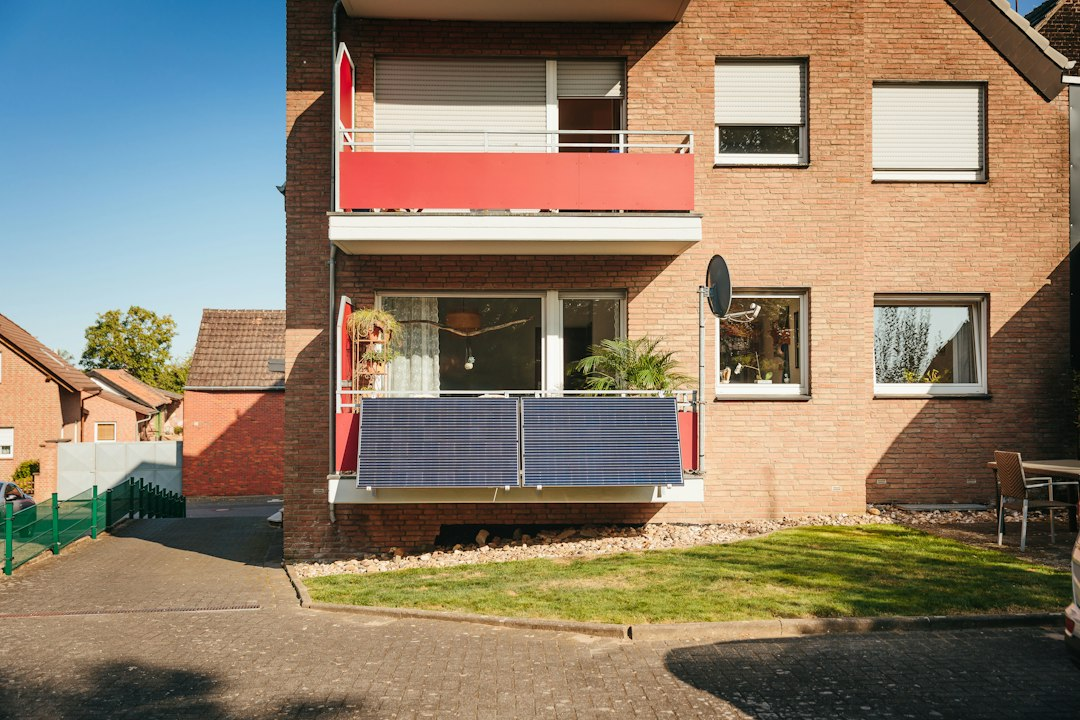
California’s new plug-in solar law got real for Agnes Chan a year before lawmakers even signed it. The retired Berkeley resident was paying close to $300 some months for electricity, with no rooftop to call her own and no landlord willing to help. Then she plugged two small solar panels into a regular wall outlet. Her bill dropped to around $200 a month. No electrician, no permit. She just plugged in.
That exception just became permanent for the whole state. Governor Gavin Newsom signed Senate Bill 868, nicknamed the Plug Into the Sun Act, on October 1. It lets California residents connect small, UL-certified solar devices straight into a household outlet. No permit. No utility sign-off. No landlord approval needed for a basic setup. The rule takes effect January 1, 2027, and it opens solar to millions of people who had no way in before: renters, condo owners, and anyone whose roof was never an option.
Real People Are Already Living This
Agnes isn’t alone. Joe Tenenbaum, a father in Orinda, hung four plug-in panels at his house. His bill shrank by $60 to $70 a month, close to $780 a year. He told KQED the savings changed how his family runs laundry. Now they wait for sunny afternoons instead of running the dryer at night.
It isn’t flawless for everyone. Misha Rashkin in Hayward spent roughly $4,000 on panels, wiring, and handyman help for a system the manufacturer called plug-and-play. He struggled to get the parts talking to each other and ended up returning it for a refund. His story is a fair warning: a basic balcony kit is simple, but a bigger setup still takes real electrical know-how.
What California’s New Plug-In Solar Law Actually Changes
The new law caps output at 1,200 watts per home. It requires certified equipment, which keeps things safe without the red tape that used to scare off smaller installers. State Senator Scott Wiener wrote the bill. He put it plainly:
These small, easy-to-use solar panels will give everyone relief on our outrageous energy bills.
Who actually qualifies for that relief? Picture:
- Renters with a sunny balcony, patio, or fence line, and zero say over the roof above them
- Condo and HOA residents who’ve never been allowed near a shared rooftop
- Homeowners stuck with a shaded or aging roof that can’t support a full system
- Anyone who wants to try solar for a few hundred dollars before committing to a bigger investment
I covered this bill back when it was still clearing committee votes this summer, and the case for it hasn’t changed. These panels squeeze more use out of the grid infrastructure Californians have already paid for, as Brad Heavner of the California Solar and Storage Association puts it.
Why This Adds Up Beyond California
None of this is experimental. Germany added roughly 430,000 plug-in solar units in 2025 alone, and the country has now passed a million installations total. California is just catching up to a market that already works.
| Who | What they paid | What changed |
|---|---|---|
| Agnes Chan, Berkeley | $400 kit, free install | Bill fell from about $300 to about $200 a month |
| Joe Tenenbaum, Orinda | Four-panel system | Saves $60 to $70 a month |
| Statewide estimate | $1,000 kit | Roughly $2,500 saved over 10 years |
Part of why prices are finally dropping: a safety standard called UL 3700 didn’t exist a year ago. The nonprofit Bright Saver now sells certified plug-in kits for under $300, something pv magazine USA first reported on October 1.
One catch is worth watching: lawmakers tacked on a 2030 sunset clause at the last minute, so these exemptions expire unless the legislature renews them. If you’re a renter in California, mark your calendar for January 1. Start pricing out a panel for that balcony. If you live somewhere else, ask your state representative why this isn’t the law where you live yet.