
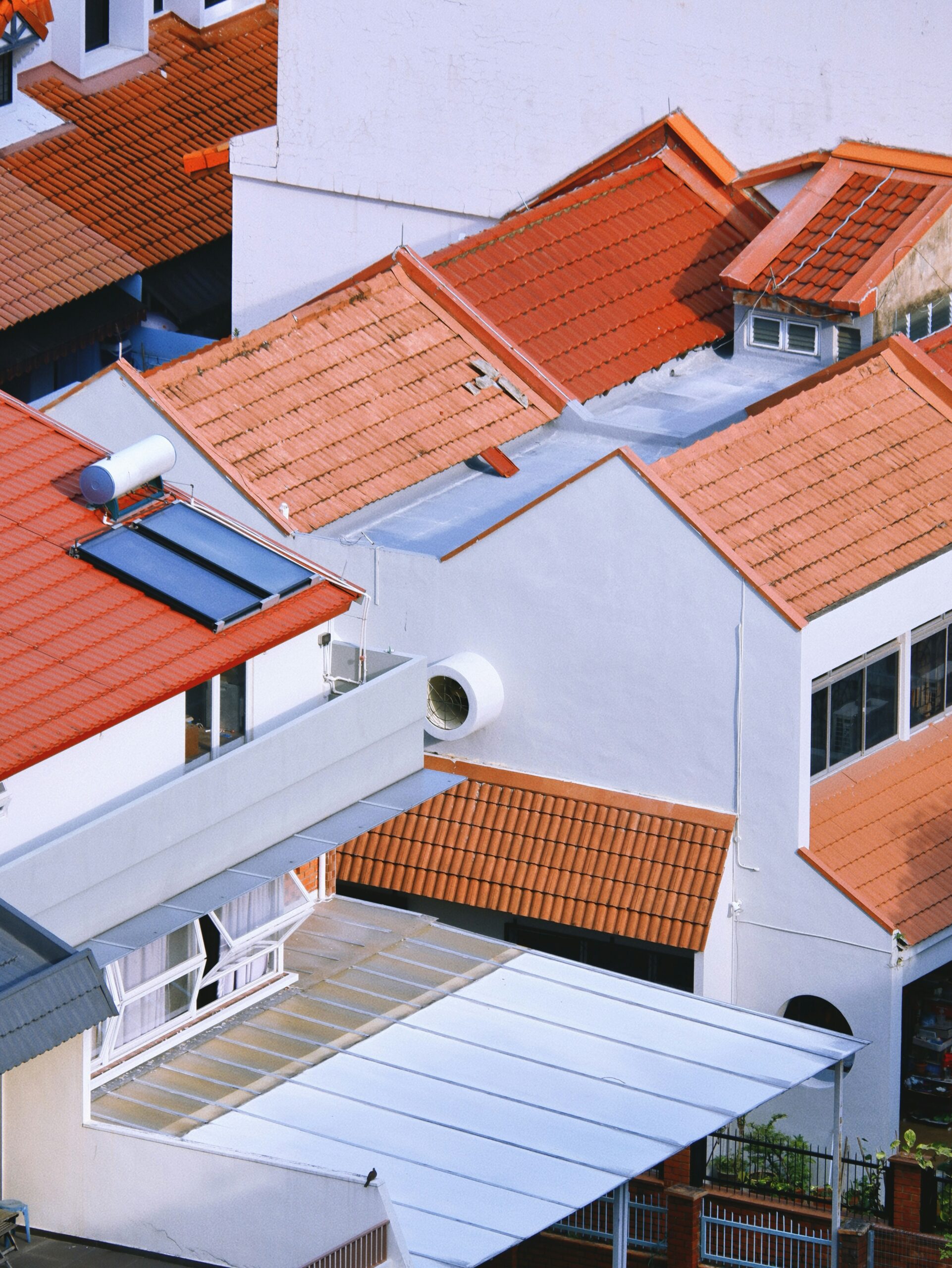
Picture Maria, a retired schoolteacher in a Western Sydney suburb. A summer storm knocks out power on her street. Her neighbors sit in the dark. Maria’s porch light stays on. Her secret isn’t luck. A battery in her garage soaked up sunshine all day and handed the power back the moment the grid stumbled. Six months earlier, she didn’t own one. Now she’s one of hundreds of thousands riding the fastest home battery boom Australia has ever tracked.
The Home Battery Boom, By the Numbers
Between January and June 2026, Australian households installed 276,011 home batteries. That number comes from the Clean Energy Council’s latest storage report, which The Cooldown first flagged to a wider audience. It’s a 52% jump over the same months in 2025. Rooftop solar grew too: installers added nearly 181,000 new systems, up 35%. For every 100 solar systems going up, Australians bolted on 153 batteries. One in seven homes now stores its own power.
The federal Cheaper Home Batteries Program deserves most of the credit. It knocks $3,500 to $4,000 off a typical battery, close to 30% off the price. In its first year, it backed 457,439 systems holding 12.9 gigawatt-hours of storage. Demand kept climbing: regulators logged another 111,000 approved batteries in the April-to-June quarter alone, a new record.
What a Battery Actually Saves You
The dollar figures here are concrete, not marketing fluff. A household that already has solar and adds a battery saves up to $1,100 a year on electricity. Install solar and a battery together, and that climbs to roughly $2,300 a year. Join a virtual power plant, and you can add another $300 to $1,000-plus. Your utility simply borrows your stored power during peak demand and pays you for the privilege. Most households recoup what the rebate doesn’t cover within seven to ten years.
| Household setup | Average quarterly bill |
|---|---|
| Solar + battery | $323 |
| Solar + battery + virtual power plant | $217 |
That gap works out to about $424 a year, just for letting the grid borrow your battery during a heat wave.
Not Just for the Wealthy Suburbs
Here’s what surprised even energy analysts. More than three in four rebate-backed batteries went into outer-suburban and regional communities, not harbourside mansions. Mitchell, an outer-Sydney electorate ranked 108th nationally for battery uptake in 2024, is now third-highest in the country. Accredited installers nearly doubled, to about 8,900, just to keep up.
Prime Minister Anthony Albanese put it plainly when the program crossed its 500,000th install:
“Half a million cheaper home batteries mean more households permanently cutting their bills.”
The ripple effects reach past battery owners, too. Regulators linked the record uptake to the lowest average electricity demand for a quarter since 2020. Wholesale prices dropped as well, a benefit that shows up on every bill, battery or not, according to Renew Economy’s reporting. Batteries like Maria’s do more than pad a savings account. They keep the lights on at the exact moments people need them most. That’s the same promise behind Minnesota’s new iron-air batteries built from rust, half a world away. The underlying pattern, solar doing more heavy lifting on hot afternoons, echoes the solar-driven dip in U.S. summer electric bills this year.
Rebates this size rarely move this fast. This one did because it solved a real worry: turning rooftop sunshine into insurance against blackouts and price spikes at once. A handful of U.S. states and utilities are piloting similar incentives now, at a fraction of Australia’s scale. Ask your own utility what it offers. The households cashing in on this boom aren’t the ones with the biggest houses. They’re the ones who checked.