
Fifty-four percent of the people BVNK surveyed across fifteen countries say they’ve held a stablecoin in the past year, a striking number for something most people still picture as a crypto trading tool. Spending that digital dollar at the pharmacy or the corner store has been the hard part, since stablecoin debit cards that work like a normal card have barely existed. Most holders, until now, had no direct way to do it.
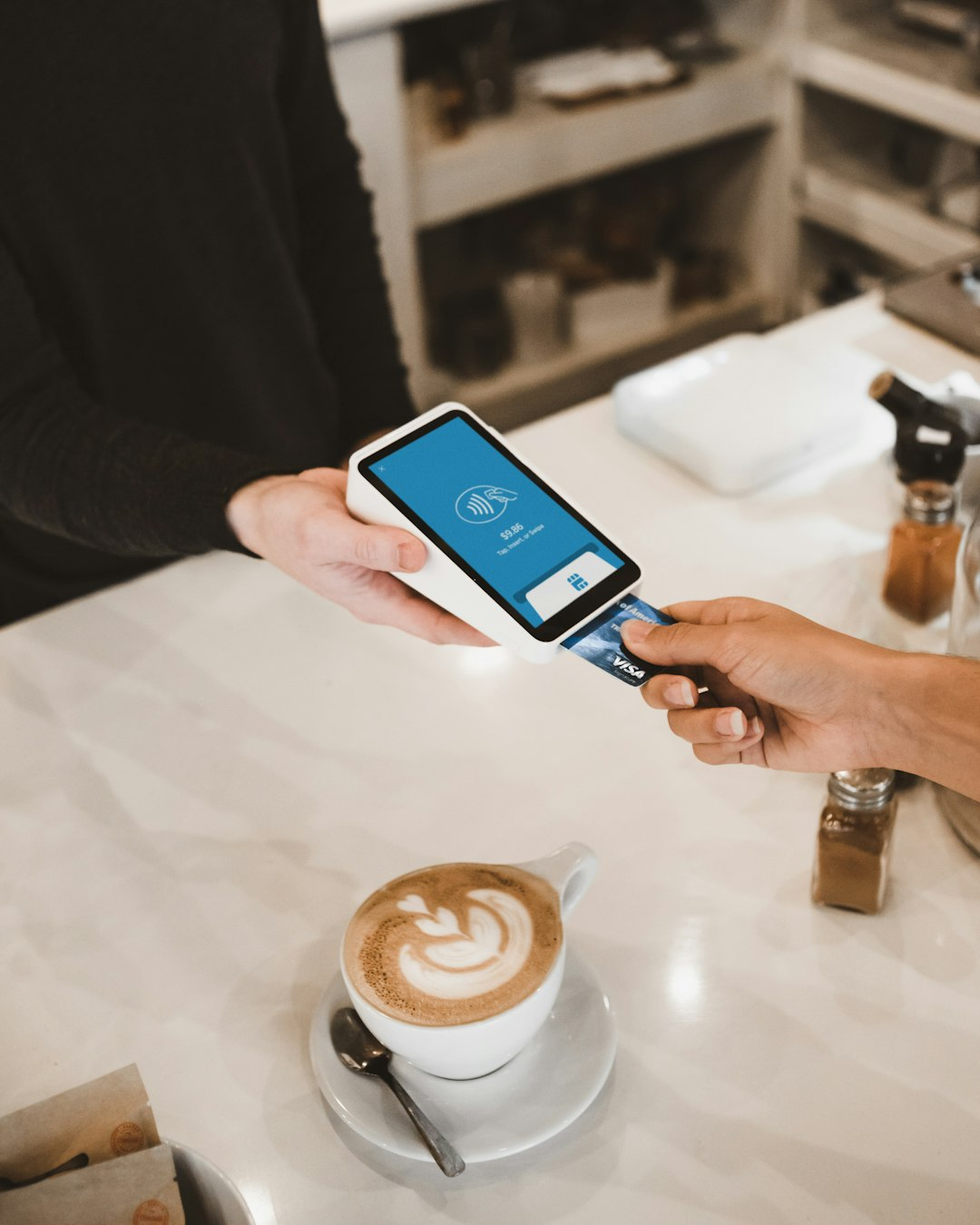
That gap is exactly what Marqeta and BVNK want to close. The two payments companies announced a partnership on September 9 that lets banks and fintechs issue ordinary debit cards backed by stablecoin balances instead of a regular checking account. Swipe the card at a coffee shop or a pharmacy, and the merchant never even knows a stablecoin paid for it. BVNK converts the digital dollars behind the scenes, and Marqeta routes the transaction through the same Mastercard rails that already reach more than 130 countries.
Why Digital Dollars Have Been Stuck in Digital Wallets
Plenty of people already hold stablecoins for good reasons. Freelancers get paid in them because international wires are slow and expensive. Families in high-inflation countries hold dollar-pegged tokens as a hedge against their own currency losing value overnight. The trouble comes after the money lands in the wallet. Turning stablecoins back into spendable cash usually means a crypto exchange, a peer-to-peer trader, or a local exchanger, each taking a cut of three to five percent and a day or more to clear.
That friction adds up fast for someone living paycheck to paycheck. A freelance designer in São Paulo who gets paid $2,000 a month in USDC could lose $60 to $100 of it just converting the money into rent money.
How Stablecoin Debit Cards Skip the Conversion Step
Marqeta already issues cards for major names in banking and fintech, processing close to $400 billion in payment volume in 2025 alone. BVNK, which moves more than $39 billion a year in stablecoin payments, supplies the plumbing that lets a bank or app hold and manage those balances without hiring blockchain engineers. Put the two together, and a bank that has never touched cryptocurrency can offer a card that spends stablecoins exactly like it spends dollars, no separate crypto exchange required.
“Developers shouldn’t need deep blockchain expertise to use them any more than they understand card networks today,” BVNK co-founder Chris Harmse said of the deal. That framing puts the burden on the infrastructure, not on the person trying to buy groceries.
Who Notices the Difference First
The people most likely to feel this change are the ones already living with one foot in stablecoins: gig workers and remote employees who, like the freelancers covered through Kast’s instant stablecoin payroll, get paid in digital dollars and now have an easier way to spend them. Small business owners who invoice overseas clients in USDC could pay a supplier or cover payroll without opening a crypto app. In BVNK’s survey, 77 percent of stablecoin holders said they’d open a stablecoin wallet through their existing bank or fintech app if one were offered, which suggests plenty of people have been waiting for exactly this bridge.
None of this requires a merchant to change a thing at checkout. That’s the quiet part of the announcement that matters most: the last mile between holding digital dollars and actually living on them just got a lot shorter.