
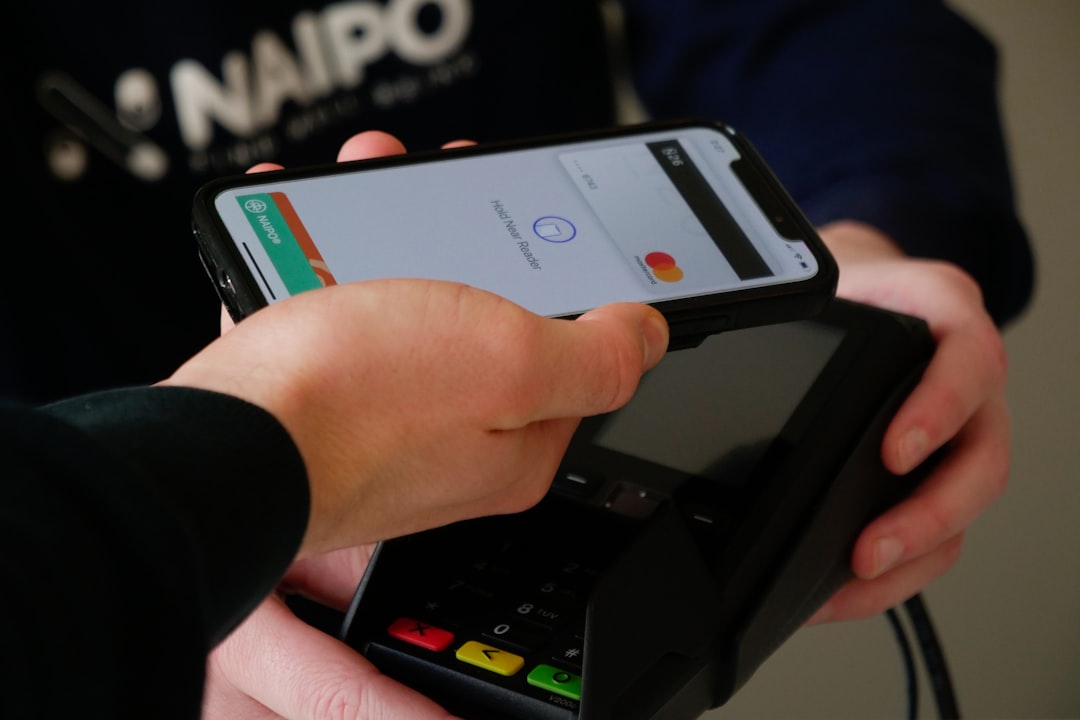
Maria sends $300 to her mother in Puebla, Mexico, every month. Two years ago, a wire transfer ate up $15 in fees and took two days to arrive. Now she opens WhatsApp, types a message, and her money moves through Felix Pago remittances in under two minutes.
Felix Pago just raised $200 million in new funding, pushing its valuation past $1.4 billion. The Miami-based fintech built its service around Circle’s USDC stablecoin, but it hides that technology from users completely. Senders just chat. They never see a wallet, a blockchain address, or a crypto exchange.
How Felix Pago Remittances Actually Work
Felix Pago converts a sender’s dollars into USDC the moment they hit send. The stablecoin moves across borders instantly, then converts back into local currency as soon as it lands. In Mexico, funds settle through SPEI, the country’s real-time banking network, in under two minutes. The company reports a 99% success rate on those transfers.
The fee gap tells the real story here. Stablecoin remittances in the US-Mexico corridor now cost less than 1%. Traditional wire services and money transfer operators still charge 5% to 7% for the same trip. A migrant worker sending $500 home each month keeps an extra $20 to $35 in their pocket instead of losing it to fees.
Felix Pago already serves six million people across eleven countries in Latin America. Most of them are immigrants sending money to family back home. Many lack a US credit history, which locks them out of standard banking products. The company’s CEO wants to build “a Goldman Sachs-style experience for a user who has historically been completely underserved.” The new funding pushes that goal into savings and lending, not just transfers.
A New Tax Makes the Timing Matter More
A federal excise tax took effect this year that adds a 1% charge to remittances funded with cash or money orders. Transfers funded from a US bank account or debit card stay exempt. That split hits cash-reliant senders hardest, and Central American communities carry the weight of it, since banking access there sits below 75%.
Digital platforms like Felix Pago sidestep the tax entirely, because their transfers already move through bank accounts and cards. So the gap between digital remittances and cash-based ones just widened twice over. Stablecoin transfers already cost less in fees, and now they dodge a tax that cash transfers can’t avoid.
None of this asks migrant families to learn blockchain terminology or open a crypto account. They open a chat app they already use every day, type a message, and the money moves. That’s what stablecoins finally look like in someone’s actual life: not an investment, but a faster, cheaper way to take care of family.
The same shift keeps showing up elsewhere. South African freelancers now get paid in dollars instead of rand, protecting their income from a currency that keeps losing value. Families in Argentina are turning to dollar-backed stablecoin savings to protect their money from inflation the same way.
Read the original coverage of the funding round at Tech Times. For Maria, none of that will ever show up in a headline. What she will notice is that the wire fee is gone, and her mother has the money before the day is even over.