
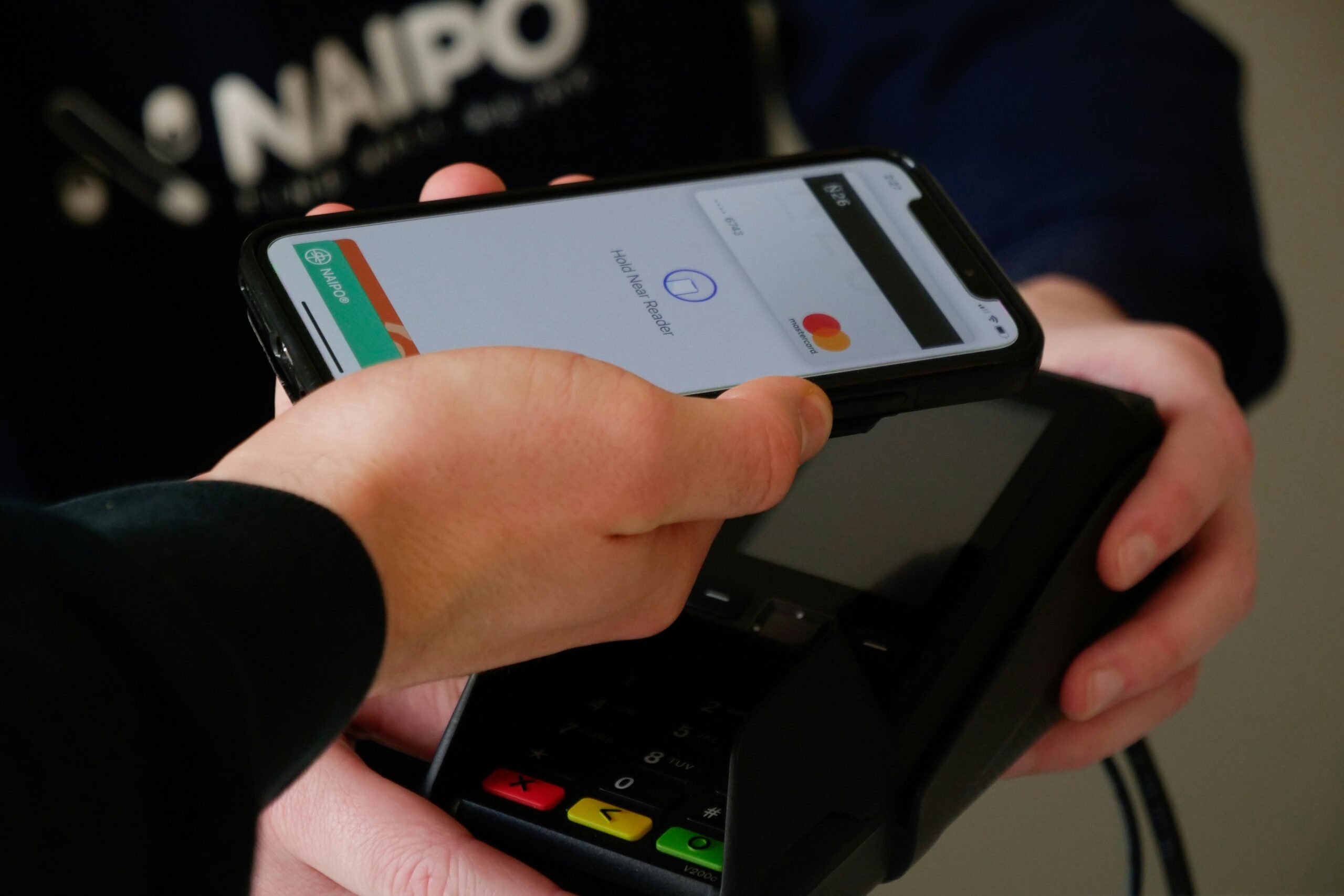
A designer in Manila finishes a logo project for a startup in Berlin. A contractor in Lagos wraps up a month of backend work for a client in Austin. Both used to face the same wait. An international wire takes three to five days to clear. A currency conversion fee quietly shaves dollars off their pay along the way. Kast’s new stablecoin payroll tool aims to close that gap. It launched this week for small businesses and remote teams in more than 170 countries.
Kast rolled out KAST Business on September 1. It gives a small business owner, an agency, or a solo founder a US dollar account. They don’t need a US address or a US company to open one. That single change removes a barrier that has kept millions of freelancers and small operators locked out of dollar banking. From that account, a business can pay contractors in more than 20 currencies almost instantly, instead of routing every payment through a slow correspondent-banking chain.
Why the wait mattered in the first place
Cross-border wires have always cost freelancers real money. Banks charge a flat fee per transfer. Then they apply their own exchange rate on top, and that rate rarely favors the person receiving the money. A freelancer earning $2,000 a month from overseas clients can lose $40 to $80 of it before the payment ever reaches their local bank. Multiply that across a year, and a worker hands over the better part of a week’s pay just to move money that was already theirs.
Kast settles payments through US Treasury-backed stablecoin reserves instead of the traditional wire network. A payout can land in minutes instead of days. Businesses also earn up to 8% annual yield on cash sitting idle in their account, and card purchases return up to 3% cashback. The exact numbers shift by membership tier and location.
Who Actually Benefits from Kast Stablecoin Payroll
This doesn’t mainly help crypto traders. It helps the graphic designer waiting on a client payment to cover rent, the developer building a team across three continents, and the small e-commerce shop that pays suppliers in another country every week. Kast wants 1,000 to 5,000 active businesses on the platform by the end of the year, on top of the million-plus people already using its consumer app.
This fits a pattern that’s been building all year. Deel made a similar move with zero-fee stablecoin payouts for freelancers. Deel also brought dollar wallets to freelancers in South Africa who were losing income to a weakening rand. Kast now applies that same idea from the other side of the transaction. It gives the business paying the invoice the same speed and savings the freelancer already gets on the receiving end.
How It Works, and What It Costs
None of this asks anyone to understand blockchain technology. A business owner opens an account, funds it, and pays people. The stablecoin machinery runs quietly in the background. What the freelancer sees is money that shows up the same day instead of the same week.
Rules still vary by country, and Kast’s own foreign exchange fees range from 0.5% to 1.75% depending on the transaction. It isn’t free everywhere. But a small business used to paying $25 to $50 in wire fees per contractor, per month, will still notice the difference. For the freelancer on the other end, faster access to their own money is what actually changes their day-to-day life.