
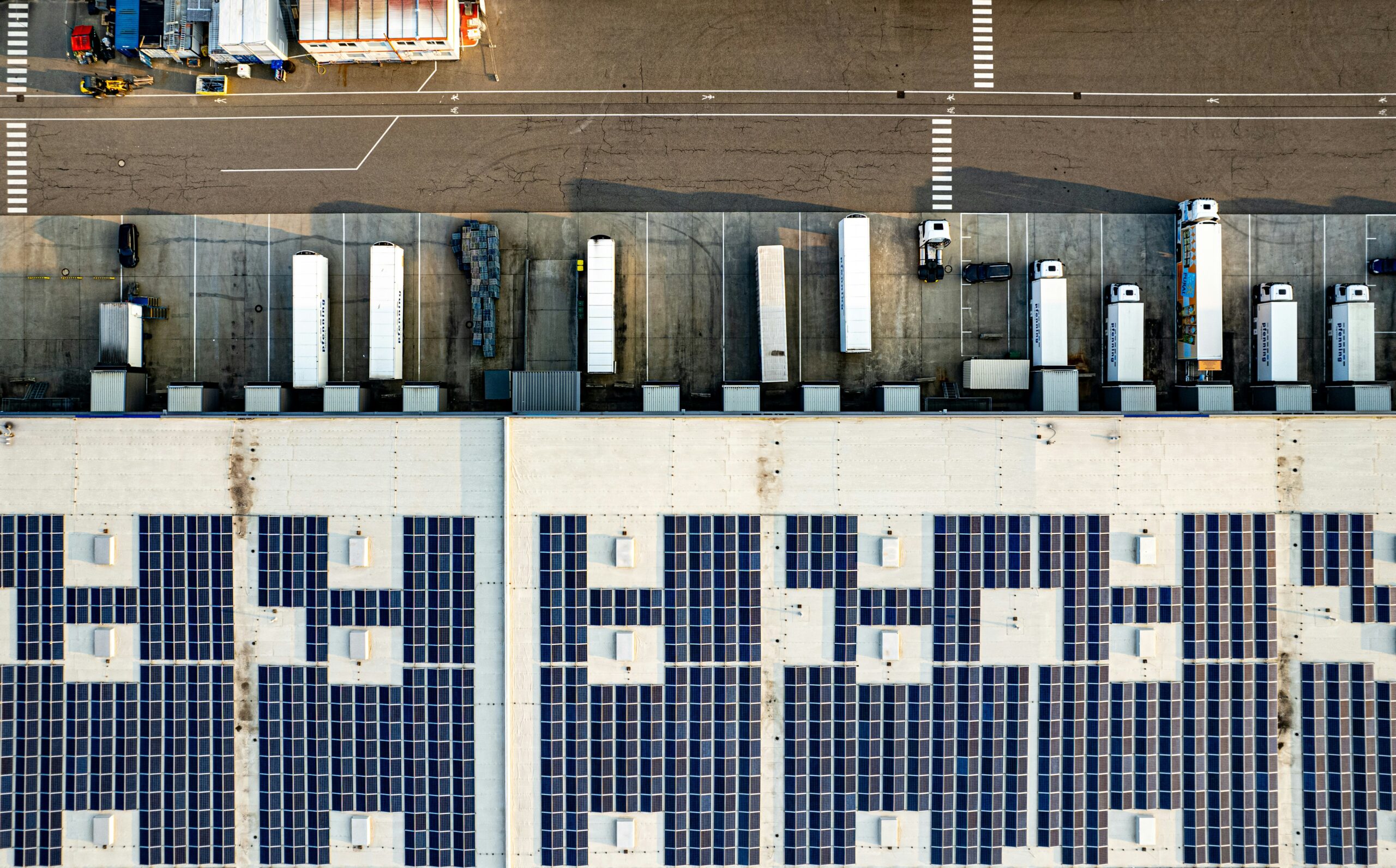
MANNA FoodBank has finished a 514-kilowatt rooftop solar system at its office and warehouse in Mills River, North Carolina. Pisgah Energy, based in Asheville, installed it. Trade outlet Solar Now reported the completion on October 7 and 8, 2026, and the system is expected to produce more than 643,000 kilowatt-hours a year. MANNA says its network covers 16 counties and the Qualla Boundary in western North Carolina.
What went up on the roof
Solar Now reports SEG panels and SolarEdge inverters. Pisgah Energy said it was an honor to build the systems, and MANNA CEO Claire Neal said that using each dollar more efficiently “stretches further in service to communities.” The reports we opened don’t give the panel count, the panel wattage, or the number of inverters.
How it was paid for
Several pieces of money and goods came together. A $200,000 BuildUS grant for energy resiliency in rural western North Carolina is the one with a dollar figure attached. Enstall donated $55,000 of solar racking, the Footprint Project backed the build, and a direct-pay incentive for nonprofits rounded it out. Direct pay is a federal mechanism that lets a tax-exempt group receive the value of clean energy tax credits as a payment, though the reports don’t give MANNA’s amount.
Solar Now reports an estimated payback of 4.5 years. It doesn’t give the total project cost, so that figure can’t be checked, and nothing says how much, if anything, MANNA paid itself.
Why It Matters to You
If you rely on a food bank in western North Carolina, or give to one, the hope is that lower power bills leave more money for food purchasing and distribution. Solar Now says exactly that, but no report says MANNA has realized any savings yet or spent them on anything. The system has only just been completed, so the benefit is expected, not delivered. It also shows a route other nonprofits could follow, since grants, donated equipment and direct pay covered the cost here.
What the savings might look like, and what isn’t known
No source gives a dollar saving. As an illustration of scale only, 643,000 kilowatt-hours priced at 10 to 11 cents per kilowatt-hour would be about $64,000 to $71,000 a year in avoided electricity purchases. That range is our arithmetic using an assumed rate, not a MANNA figure. Actual savings depend on MANNA’s utility rate structure, how much of the power it uses on site, and any demand charges, and the utility rate and billing details are not published.
The 643,000 kWh output and the 4.5-year payback are projections from the project announcement. The reports give no figures for carbon dioxide avoided or homes’ worth of power.
For scale on the demand side, MANNA reports about 220,000 visits a month across its network. That counts visits, not individual people. The network includes more than 300 community partners.
Frequently asked questions
How much will MANNA save each year?
No source says. The $64,000 to $71,000 range above assumes 10 to 11 cents per kilowatt-hour for all output, which may not match MANNA’s actual rates.
Did MANNA pay for the system?
Grants, donated equipment, and a nonprofit direct-pay incentive covered the cost, according to Solar Now. Its report does not give the total price or any amount MANNA paid itself.
Do other western North Carolina food groups use solar?
Yes. Canary Media reports Beacon of Hope Food Pantry in Marshall got a roughly $100,000 solar-and-battery system with 56 panels and three batteries. Most of the cost came from a state grant program for Helene-affected counties. The pantry expects to cut its electric bill by at least a quarter, about $5,600 a year.
Sources
- Solar Now: MANNA FoodBank Completes 514-kW Rooftop Solar System in Mills River (Oct 8, 2026)
- Solar Now: NC foodbank goes solar to protect funding for community support (Oct 7, 2026)
- Canary Media: North Carolina food bank gets microgrid backup for future storms (Oct 1, 2026)