
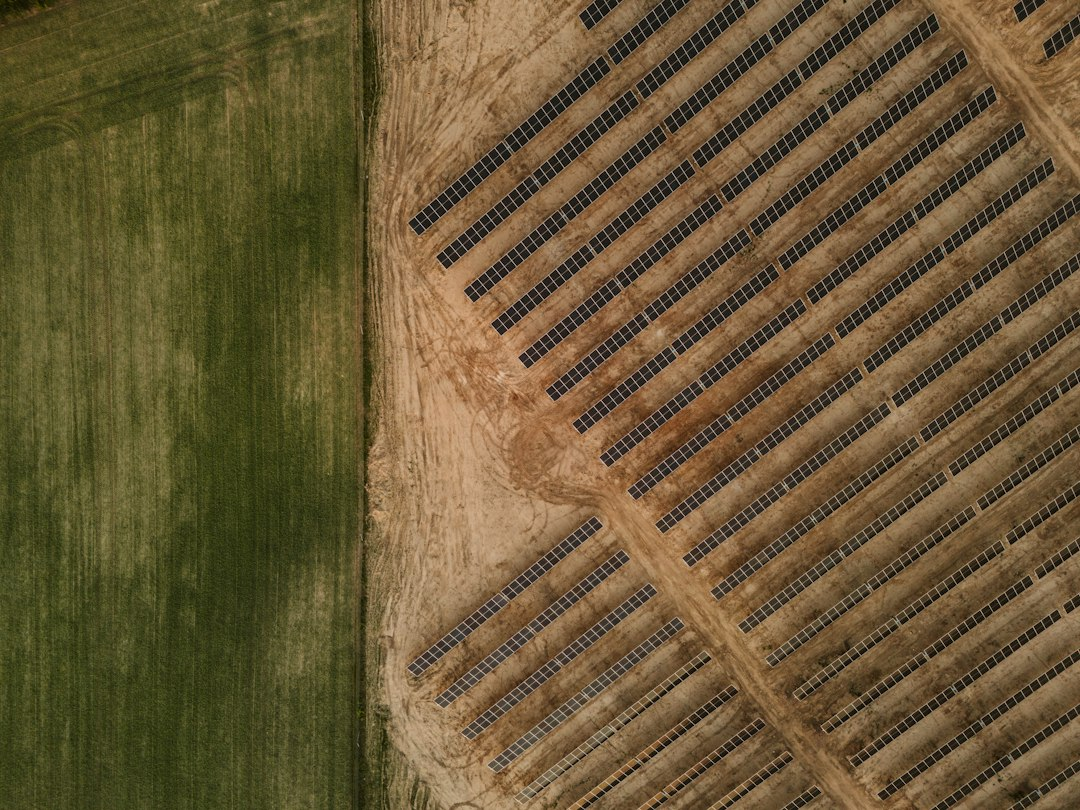
Elena Ruiz has grazed sheep on the dry hills outside Lorca, Spain, for twenty years. This autumn, her flock picked up a new job on the newly opened Lorca solar farm. They trim grass between rows of panels, and that cuts the wildfire risk that keeps rural Spain on edge every summer.
The 368-megawatt project, built by developer X-ELIO on 760 hectares in the Murcia region, just switched on. It pays off in three directions at once: cheaper, cleaner power for the grid, real paychecks for the neighborhood, and a safer landscape for the people who already lived there.
Enough Power for a Mid-Sized City
The Lorca solar farm will generate about 683,374 megawatt-hours a year. That’s enough to cover roughly 196,000 homes, according to Energy Live News, or more households than live in Lorca itself. Banco Santander, the Instituto de Crédito Oficial, and Unicaja financed the €335 million project. Firms including Thermo Fisher Scientific and GSK have already locked in its power through long-term contracts, per PV Tech’s coverage of the launch.
Solar has no fuel cost. Adding this much generation during peak demand hours tends to nudge wholesale power prices down for everyone, not just the companies with contracts. Spain’s grid-average carbon intensity runs about 132 grams of CO2 per kilowatt-hour, according to Electricity Maps. At that rate, this plant offsets roughly 85,000 to 90,000 tons of CO2 a year, close to taking 19,000 gasoline cars off the road for good.
| Metric | Figure |
|---|---|
| Capacity | 368 MW |
| Homes powered annually | ~196,000 |
| Construction jobs | 2,100+ (600 local) |
| Land set aside for habitat | 400 of 760 hectares |
Why the Lorca Solar Farm Needed 600 Local Workers
Big energy projects often ship in outside labor and leave little behind once the trucks pull out. This one didn’t. More than 2,100 people worked on construction, and about 600 came from towns right around the plant. Over 80 small and medium-sized businesses in the surrounding comarca landed contracts.
X-ELIO built training into the deal, too:
- Certified courses in photovoltaic installation, open to local residents
- Solar systems installed at nearby schools, trimming their electric bills
- A plan that keeps traditional land uses, like Elena’s grazing route, running alongside the panels
Javier Morales is a general contractor from a neighboring town. He took the installation course, and it already feels like a foothold in work that isn’t going away. Spain added more solar last year than almost any country in Europe, and someone has to maintain and expand all of it for decades.
Sheep, Steppe Birds, and a Safer Landscape
Only about 360 of the project’s 760 hectares actually hold panels. X-ELIO set the other 400 aside for habitat: nesting ground for steppe birds and raptors, and pasture for flocks like Elena’s. The grazing isn’t decorative. Cropped grass under the arrays means less dry fuel for the wildfires that have scorched southern Spain in recent, hotter summers.
Projects like this one make the same point. So does a Minnesota solar farm that doubles as affordable farmland for new growers: utility-scale solar doesn’t have to compete with the land uses that came before it. Done right, it can fund them, much like a Michigan solar project that now pays farmers far more than row crops ever did.
What to watch next: whether other developers copy this playbook of pairing construction jobs with long-term local training, instead of treating a solar farm as a fenced-off plant that happens to sit on someone’s land. A project that pays down its carbon footprint while also paying actual electricians and shepherds is a trade worth seeing a thousand more developers try.