
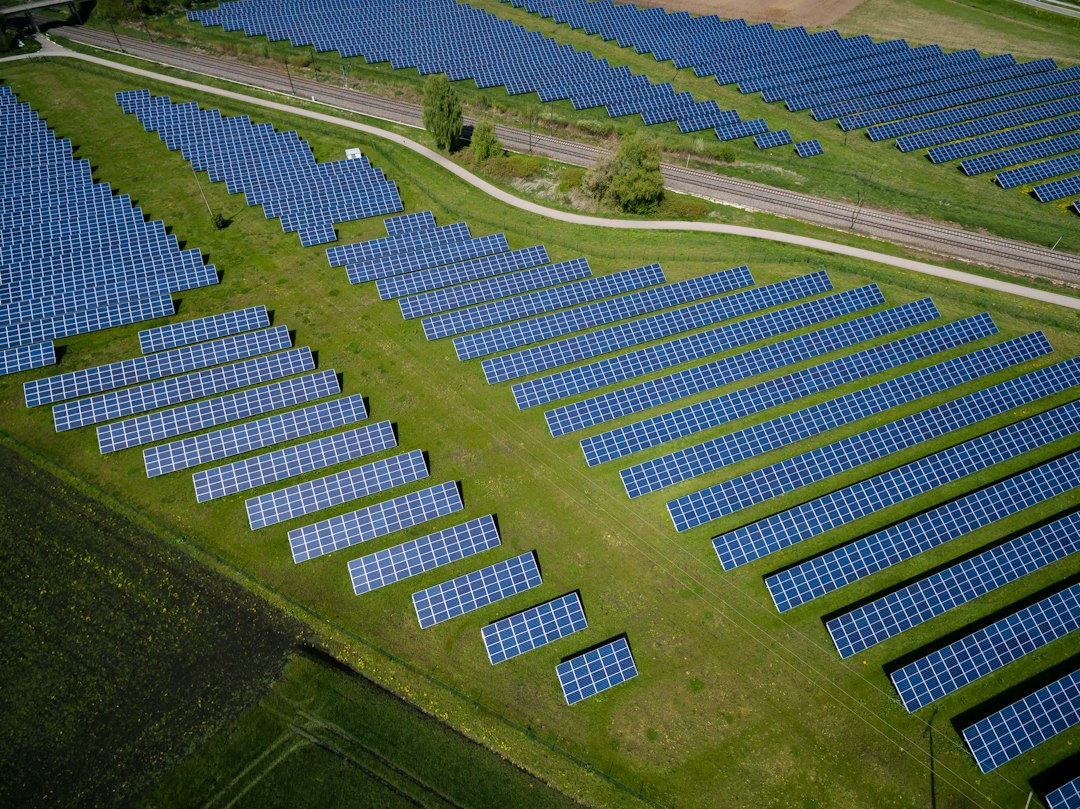
Denise Okafor used to measure a good year on her family’s land outside Coldwater, Michigan, by how corn prices moved. This year, Cold Creek Solar Park started paying her to lease part of that land. The check dwarfs anything corn ever brought in.
That shift is playing out across Branch County right now. DTE Energy switched on the new 100-megawatt solar farm this week. It spans roughly 600 acres of leased farmland across Quincy and Coldwater townships, and it’s just the first piece of a deal that could eventually bring up to 650 megawatts of new solar to Michigan.
What Cold Creek Solar Park Means for the People Who Live Near It
The headline number is simple. Cold Creek Solar Park now generates enough electricity to power more than 27,000 homes. But the money trail matters just as much as the megawatts.
Farmers like Denise get paid for land that often struggled to turn much profit anyway. Researchers at Michigan State University found that leasing ground for solar can pay farmers up to 25 times more per acre than growing traditional row crops. No drought risk. No grain price crash. Just a steady check.
Townships benefit too. Solar projects across Michigan already generate roughly $14.6 million a year in state and local tax revenue, money that flows into township and county budgets that are usually stretched thin. Another Michigan solar farm has already shown what that looks like in practice: it’s funneling $18 million into local school savings over its lifetime.
Amir Mirshahi of Ford Motor Company put it plainly when the park switched on:
“Projects like this strengthen the resiliency of the grid that our plants, our employees and our neighbors all depend on.”
Why This Matters Beyond Branch County
Ford is paying for Cold Creek through its enrollment in DTE’s MIGreenPower program, a purchase described as the largest renewable energy commitment by a utility customer in U.S. history. Ford needs the clean power to hit its own goal of running Michigan vehicle assembly on 100 percent carbon-free electricity by the end of 2027, a goal tied directly to jobs staying in the state.
That structure matters for your own bill, even if you’ve never set foot in Branch County. Ford, not DTE’s broader customer base, is paying for this solar farm, so new clean capacity gets built without spreading the cost across everyone else’s monthly bill. Other states are testing the same basic logic. A Minnesota project is opening up affordable farmland access for new growers by letting solar and agriculture share the same acre.
The Numbers Add Up
- 100 megawatts of new capacity, enough for more than 27,000 homes
- Roughly 600 acres of farmland now earning steady lease income instead of riding crop prices
- Up to 650 megawatts more solar planned under the same Ford-DTE agreement
- About $14.6 million a year already flowing to Michigan communities from solar statewide
None of this fixes the climate by itself, and nobody should pretend one solar park does. But every acre like Denise’s that shifts from row crops to solar panels stops needing diesel fuel, fertilizer runoff, and a bet on the weather. It still pays the farmer. It still pays the township. And it still feeds a grid that keeps the lights on during the next heat wave or ice storm.
Watch what DTE builds next under this same pipeline. If a project like it lands in your county, your local school budget and road fund are probably about to get a little steadier too.