
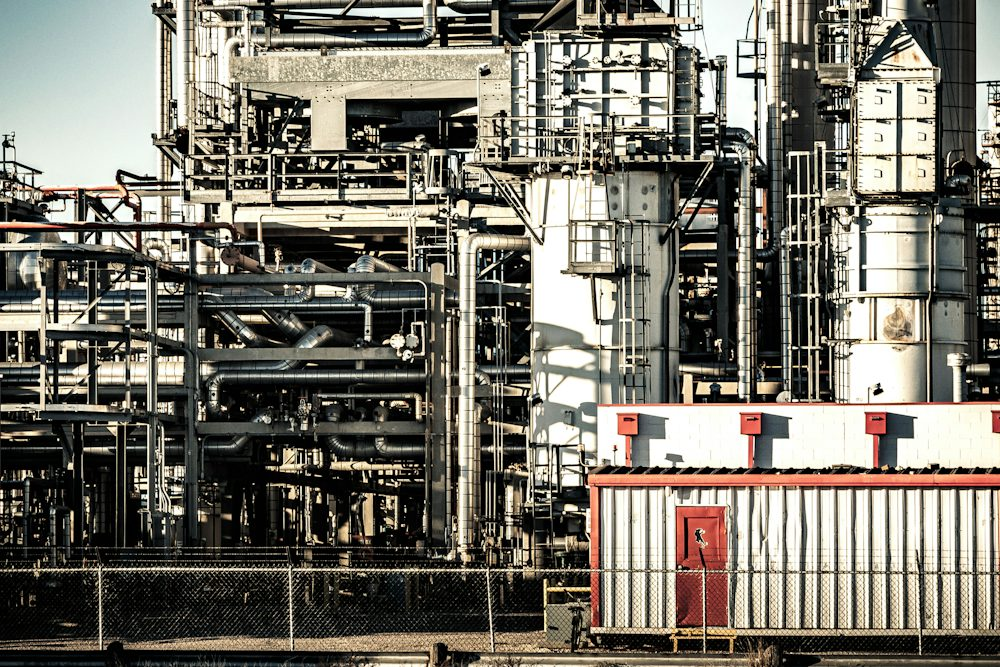
NRC Chairman Ho Nieh called it America’s first construction permit for a high-temperature gas-cooled reactor “in more than half a century.” He said it on November 9, 2026, the day his agency approved the Long Mott construction permit for Dow’s four-reactor project in Calhoun County, Texas. The permit doesn’t let anyone load fuel or flip a switch. It does let Dow and its reactor partner, X-energy, start building toward a plant meant to replace aging gas-fired equipment at Dow’s Seadrift chemical complex with nuclear-generated steam and electricity.
What the Long Mott Construction Permit Actually Allows
A construction permit is not a green light to run a reactor. It only authorizes Long Mott Energy, Dow’s project subsidiary, to start building the plant to its approved design. Before any of the four Xe-100 reactors can load fuel or generate power, the company needs a separate operating license from the Nuclear Regulatory Commission, a step that comes after construction, not before it.
The approval came fast by nuclear standards. NRC staff finished the final safety evaluation report in October, a month ahead of schedule, after issuing an environmental clearance back in May. Commission officials say the whole review took about 18 months from the day it started, a pace the agency had set as a target for itself rather than a promise.
A Permit Full of Regulatory Firsts
Long Mott isn’t just another advanced reactor license. The NRC says it marks several firsts at once:
- The first U.S. construction permit for a high-temperature, gas-cooled reactor since the 1960s.
- The first NRC approval of a pebble-bed reactor design, where fuel moves through the core as small graphite spheres instead of sitting fixed in rods.
- The first construction permit the agency has issued for a reactor built on an industrial site rather than to feed the public grid directly.
- The first approval covering multiple reactor modules, all four Xe-100 units, under one permit.
- The first approval of a design built for online refueling, swapping fuel pebbles while the reactor keeps running.
- The first full review completed under the NRC’s newer risk-informed Licensing Modernization Project, a framework that judges a reactor by its actual safety margins instead of rules written decades ago for very different plants.
That’s a lot of firsts for one piece of paper. It’s also the real headline here. Regulators used a faster, physics-based review process on a reactor type they hadn’t touched in six decades, and the review still landed inside the 18-month target they set for themselves.
Why a Smaller Reactor Gets a Smaller Safety Zone
The technical detail that matters most to anyone living near Seadrift is the emergency planning zone, the area regulators require around a reactor in case something goes wrong. A typical large power reactor needs a zone stretching 10 miles in every direction. The Xe-100’s zone is expected to run about 400 meters, roughly a quarter mile, small enough to fit inside Dow’s own fence line.
That shrinkage comes from the fuel, not a marketing claim. Each TRISO fuel particle is wrapped in layers of carbon and ceramic that work like a tiny, self-contained vault for radioactive material, built to hold up even at very high temperatures. Helium, the coolant, has no water to flash into steam or hydrogen if cooling is ever lost. Regulators accepted that physics as the basis for a smaller safety buffer, the same risk-informed thinking behind several of this permit’s other firsts.
What Still Has to Happen Before Construction Starts
- Dow’s Board of Directors has not approved building Long Mott. A preliminary investment decision is expected sometime in 2027.
- Engineering and design work still need to be finalized before any concrete gets poured.
- If the project goes ahead, construction would start later this decade, with commercial operation targeted for the early 2030s, not before.
- Fuel loading and operation require a second, separate NRC license that hasn’t been applied for yet.
- Neither Dow nor X-energy has released a final construction cost. The project has received roughly $2.15 billion in cost-shared federal funding toward development, which isn’t the same thing as a total build budget.
Who Benefits and How
Seadrift already makes plastics, antifreeze ingredients and other everyday materials sold under brands most people have never heard of. Dow has said the reactors would replace gas-fired boilers and turbines nearing the end of their working lives, cutting the site’s carbon dioxide output by roughly 440,000 metric tons a year, a figure the company gave when it first announced the project in 2024. Nobody has updated that estimate since, so it’s worth treating as a company target rather than a confirmed result.
The clearer, nearer-term benefit lands in Calhoun County itself. Back in 2024, county officials projected the project could bring more than 1,500 construction jobs and up to 100 permanent positions once it’s running, and County Judge Richard Meyer called it a project that would “bring great benefit to the citizens of Calhoun County.” Those figures predate this week’s permit and haven’t been reconfirmed for the current design. If Long Mott proceeds anywhere near that scale, it’s the kind of job count that reshapes a rural Gulf Coast county’s economy, not just a line in Dow’s annual report.
Beyond Seadrift, the permit matters to other reactor projects waiting in line. X-energy is pursuing a second Xe-100 plant near Richland, Washington, plus a planned facility on a retired coal site in Indiana. Both depend on regulators treating this reactor design as provably buildable in the United States. A clean, on-schedule permit for Long Mott gives those projects a working example to point to. It doesn’t guarantee their timelines hold.
The next marker worth watching isn’t a construction crane. It’s a vote in Dow’s boardroom sometime in 2027. Until that preliminary investment decision happens, Long Mott is a permit sitting in a file: proof that a pebble-bed reactor can clear U.S. regulators, not yet proof that one will get built.
Frequently Asked Questions
Does this permit mean construction has started at Seadrift?
No. The permit lets Dow begin building once its board signs off, and that approval hasn’t happened yet. A preliminary investment decision is expected in 2027.
What is a pebble-bed reactor?
It’s a reactor design fueled by thousands of billiard-ball-sized graphite spheres packed with TRISO fuel particles, instead of fixed fuel rods. Pebbles can be added or removed while the reactor keeps running.
Will Long Mott change electricity bills in Texas?
Not directly for most households. The plant is designed mainly to power and heat Dow’s own chemical operations, though any electricity beyond what Dow needs would go to the grid.
Sources
- U.S. NRC: NRC Issues First Construction Permit in Nearly 60 Years for High-Temperature Gas-Cooled Reactor (Nov. 9, 2026)
- World Nuclear News: US issues landmark construction permit for Texas SMR plant (Nov. 10, 2026)
- ANS Nuclear Newswire: NRC issues construction permit for Dow/X-energy Long Mott project (Nov. 10, 2026)
- Texas County Progress: Calhoun County Lands Cutting-Edge Nuclear Project (Jun. 5, 2024, local jobs and community context)