
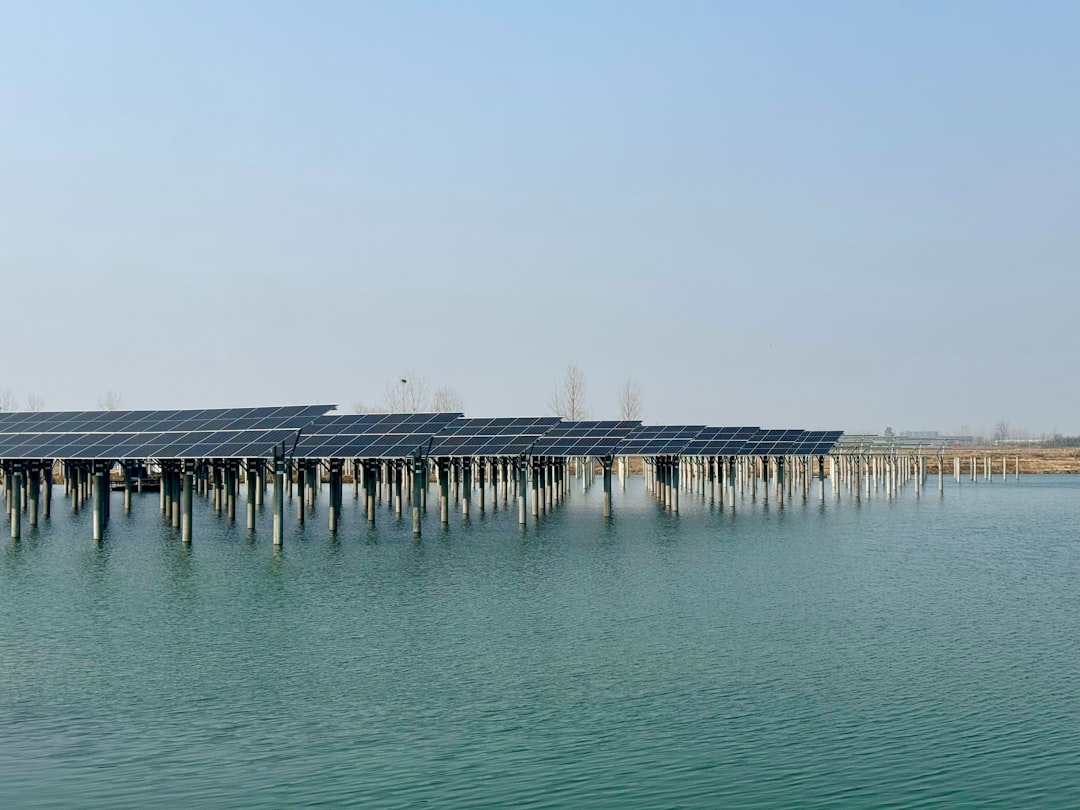
Lima, Ohio has a new 2-megawatt floating solar array on Twin Lakes Reservoir, the city’s primary drinking water source. Lima celebrated completion on Aug. 12, 2026, according to a Fox News report. The city projects nearly $10 million in electricity savings over the system’s lifetime.
How the project fits together
- The developer, D3Energy, floated 3,120 panels on an island it lists at 3.59 acres. Local coverage rounds that to about four acres, and Fox News reports a land-based system of the same size would reportedly need at least 10 acres.
- The array sends power to the city’s drinking water treatment plant next to the reservoir. The plant processes about 14 million gallons of water a day, and Fox News reports it uses more electricity than any other city facility.
- The city owns the system. The project cost about $5.3 million, according to Fox News, with a $2.4 million Department of Energy grant plus about $900,000 in direct-pay tax credits. By those figures, federal grants and credits cover about $3.3 million of the cost.
- The city projects about $200,000 in first-year savings (an earlier city estimate) and nearly $10 million in electricity costs over the system’s life.
D3Energy says the design conserves land, helps reduce evaporation and supports stable water temperatures. It describes the project as its third in Ohio in three years. At the groundbreaking, Lima utilities director Mike Caprella said floating solar avoids using farmland and can reduce algae growth on the water. Mayor Sharetta Smith called the project a “symbol of powering progress” that will help save money for ratepayers and taxpayers.
Why It Matters to You
- If you live in Lima, the array cuts the water utility’s electricity bill. No source says water rates will fall or hold steady.
- Putting panels on water the city already owns avoids buying or leasing land, and it avoids farmland.
- Federal grants and tax credits paid for much of the cost, so a city without that support would see different economics.
What the figures leave open
The $10 million and $200,000 figures are city projections, and the sources we opened publish no measured savings from the first weeks of operation. They also don’t state the system’s expected lifespan or the electricity price assumptions behind the lifetime figure. Acreage differs by source, as noted above. The sources don’t include figures for carbon dioxide offsets or the number of residents served. Because the savings reduce the utility’s electricity costs and nothing more, treat any claim about household water bills as unconfirmed.
Quick answers
- Will Lima residents pay less for water? The sources don’t say. The array lowers the utility’s electricity costs, but no one has published a water rate decision tied to it.
- Is floating solar safe on a drinking water reservoir? D3Energy says the design helps reduce evaporation and supports stable water temperatures. The sources we opened don’t include water-quality monitoring results, so ask the city for any testing data.
- Why float panels instead of using land? Reported land needs are larger on dry ground, and farmland is scarce in many Ohio counties. Using water the city already owns avoids buying or leasing land.
- Is there another Ohio floating solar project? Yes. Solar Power World reported in August 2026 that Monroeville has a 6 MW floating array expected online before the end of 2026. It’s a separate project.
Sources
- Fox News: Floating solar panels could save cities millions. Is your town next? (accessed Oct 13, 2026)
- D3Energy: City of Lima floating solar project page (accessed Oct 13, 2026)
- Hometown Stations: Lima breaks ground on Twin Lakes floating solar array (accessed Oct 13, 2026)
- Solar Power World: Northwest Ohio community saves land space by siting solar project on reservoir (Aug 2026)