
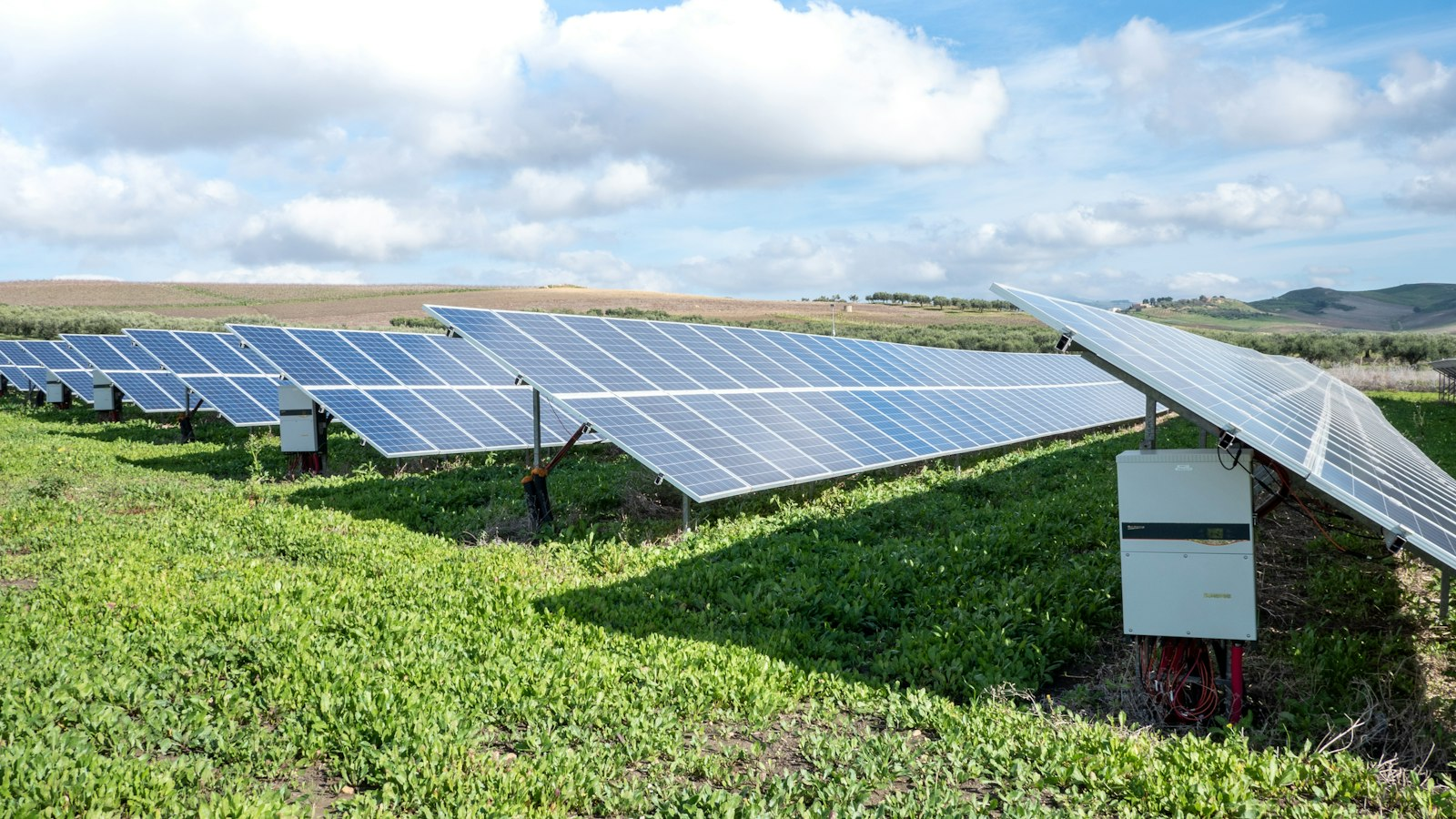
A 1-megawatt solar garden in Big Lake, Minnesota now hosts working vegetable farms. Beginning farmers, many of them immigrants or refugees, grow crops in and around the solar rows.
How it got here
- 2023: the project begins as a pilot, according to Sahan Journal.
- This year: it becomes permanent. Winifred Sylvah and two other farmers sign 10-year leases.
- This season: Sylvah has picked roughly 140 pounds of cucumbers so far, Sahan Journal reported. She sells through a Community Supported Agriculture program and delivers produce to public school districts in Albertville and Buffalo.
Who is farming
Sylvah came to Minnesota from Sierra Leone as a student in the 1980s and worked in banking for more than 30 years. After retiring she took up farming. She now farms about 1.5 acres, one acre inside the solar garden and a half-acre on an adjacent plot.
How the site is set up
The Great Plains Institute’s case study describes an 18-acre site with 9 acres in solar production. The panels use a conventional design, not elevated mounts. US Solar developed and manages the solar garden. Big River Farms, run by the nonprofit The Food Group, provides land, training, and farmer management. Connexus Energy is the electric cooperative partner, and the National Renewable Energy Laboratory is researching which crops work in the shade. Big River Farms worked with the site owner to provide water and storage for farming.
The case study lists organic vegetables such as carrots, kale, and collard greens, and says cilantro reportedly thrived in shade. The site also includes pollinator-friendly vegetation and honey production. The Great Plains Institute says Big River Farms is one of only 35 US agrivoltaics projects that produce crops, out of almost 600 agrivoltaics projects nationwide.
Iowa State University’s Ajay Nair told Sahan Journal, “Any grower can commercially grow their produce within an agrivoltaic system.” He said crops grown between panels generally yield about the same as standard farming. In western Minnesota, University of Minnesota-Morris researchers have run a cattle plot for eight years, with about 275 cows grazing under a 500-kilowatt array. Professor Brad Heins reports less heat stress in the herd.
Why It Matters to You
- Beginning farmers, including immigrants and refugees, get access to land and training they might not otherwise have. Three farmers have it at Big Lake today.
- Local schools and CSA members in the Big Lake area get the produce.
- If you want to farm on a solar site elsewhere, it depends on the developer and landowner, and the model is still rare.
What the reports leave out
Lease prices, setup costs, and farmland prices aren’t published in the sources, and neither source states how many homes the 1 MW array powers. The 140 pounds of cucumbers is one farmer’s season-to-date harvest, not a yield per acre or a measure of profit. Nair’s comment on yields is a general expert view, and a single site’s results can differ by crop and shade level. Three farmers on one site is a small sample, and with only 35 US agrivoltaic projects growing crops, the model is still rare.
Quick answers
- Agrivoltaics: growing crops or grazing animals on the same land that hosts solar panels. At Big Lake, farmers plant between and around conventional ground-mounted rows.
- Who runs it: US Solar develops and manages the solar garden. Big River Farms, operated by The Food Group, provides land, training, and farmer management. Connexus Energy, NREL, and the Great Plains Institute also take part.
- Lease length: Sylvah and two other farmers signed 10-year leases, Sahan Journal reports. The Great Plains Institute says solar site leases typically run 20 years or more.
- Farming on a solar site near you: it depends on the developer and landowner. Ask the developer or your county extension office whether they allow farming and who provides water and storage.
Sources
- Sahan Journal (via Now Solar): Big Lake agrivoltaics project shows promise of mixing farming, solar power (Sep 20, 2026)
- Great Plains Institute: Case Study: Agrivoltaics and Local Food Production in Big Lake, Minnesota (accessed Oct 13, 2026)