
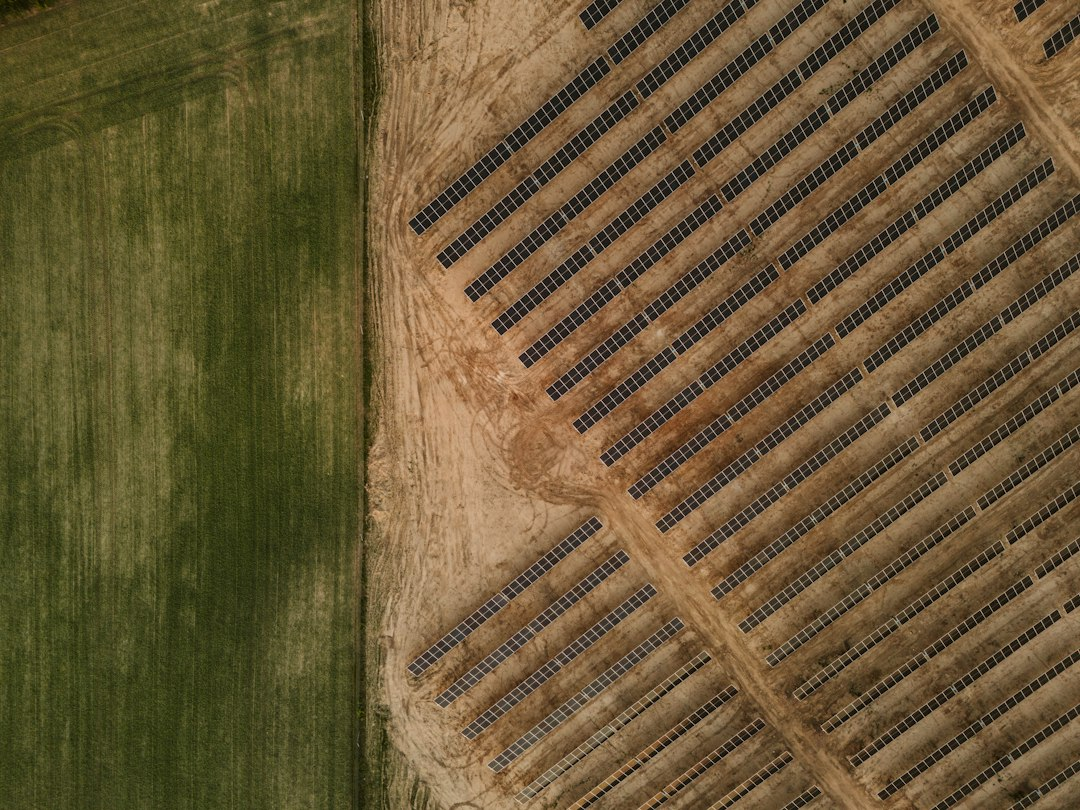
X-ELIO has opened its 368 MW Lorca solar plant in Spain’s Murcia region. Spanish trade outlet Energías Renovables reported the inauguration on September 30, 2026, and PV Tech reported the start of commercial operations on October 1. It is the largest project in X-ELIO’s Spanish portfolio, which now totals 14 PV projects and 846 MW.
What was built
The plant covers more than 760 hectares. The company reports annual output of about 683,374 MWh, which it equates to the yearly electricity use of about 196,000 homes. Investment was €335 million, financed by Banco Santander, the Instituto de Crédito Oficial and Unicaja. Thermo Fisher Scientific, GSK, Haleon, Gilead Sciences and The Sherwin-Williams Company have signed power purchase agreements for the project’s output, per PV Tech.
Energías Renovables reports that more than 2,100 professionals worked on construction, about 600 of them from neighboring municipalities, along with more than 80 small and medium-sized businesses from the area. X-ELIO also provided certified training in photovoltaic installation and risk prevention, and installed solar self-consumption systems in schools and public buildings.
About 400 of the 760 hectares are set aside for habitat restoration and biodiversity measures, including management of farmland for steppe birds and raptors. Sheep grazing controls vegetation on the site, and Energías Renovables says the grazing is also used to reduce wildfire risk. PV Tech notes that X-ELIO did not call the site an agrivoltaics project.
What holds up and what doesn’t
| Works well | Be careful |
|---|---|
| 368 MW is operating commercially, per PV Tech, and was inaugurated September 30, 2026. | The 196,000 homes figure is the company’s output equivalent. It implies about 3.5 MWh per home, and the sources do not say whose consumption average X-ELIO used. |
| More than 2,100 professionals worked on construction, about 600 from neighboring municipalities. | Those were construction jobs. The sources give no count of permanent positions. |
| About 400 of 760+ hectares are set aside for habitat measures, and sheep graze the site. | The wildfire benefit of grazing is stated by the outlet, not measured. There is no data on fire risk at the site. |
| Five corporate buyers have signed power purchase agreements, per PV Tech. | No source quantifies any effect on wholesale prices or on carbon emissions, so none is claimed here. |
The verdict: a large, financed, operating plant with a solid paper trail on size, investment and buyers. The softer claims, about homes powered, jobs that last and fire risk, come from the company or the outlet and are not independently measured.
Why It Matters to You
The power from Lorca is contracted to corporate buyers, so ordinary households won’t see it on their own bills. The nearer-term benefits reported are local: construction work for people from neighboring municipalities, certified solar installation training, and self-consumption systems in schools and public buildings. Whether any of it lasts as permanent employment is not reported.
Quick answers
Is the Lorca plant operating? Yes. PV Tech reports it started commercial operations, and it was inaugurated on September 30, 2026.
Who buys the power? Corporate buyers under power purchase agreements, including Thermo Fisher Scientific, GSK, Haleon, Gilead Sciences and Sherwin-Williams, per PV Tech.
Do sheep really reduce wildfire risk, and will the 600 local jobs continue? Grazing removes dry vegetation, which is fuel. The outlet reports it is used for that purpose here, but there is no measurement of the effect at this site. The local jobs were construction roles, and the sources do not report ongoing local employment.
Sources
- Energías Renovables: X-ELIO inaugura en Lorca su mayor planta (Sep 30, 2026)
- PV Tech: X-Elio starts commercial operations at 368MW Spanish solar PV project (Oct 1, 2026)