
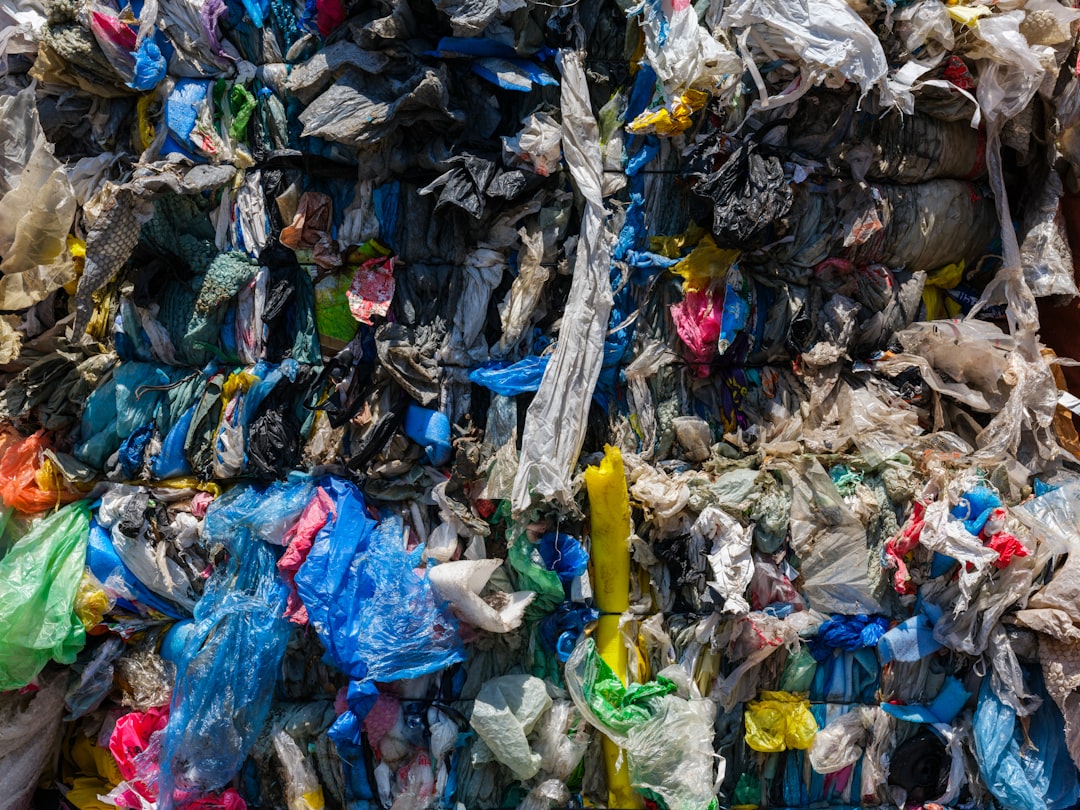
Only one out of every four tons of recyclable material that Kent County, Michigan residents put out for pickup actually gets diverted from the trash pile. The rest, plastics, flattened boxes, all mixed in with regular household garbage, heads straight into the county’s aging waste-to-energy plant and burns alongside everything else. Kent County’s new AI recycling system is built to catch those materials before they disappear into the furnace, and county officials say it won’t cost residents anything extra to run.
A 1980s Plant Meets Today’s Trash
Kent County’s Department of Public Works runs a waste-to-energy facility that engineers built back in the 1980s, when pulling metal out of the garbage stream counted as a recycling win. Household waste looks different now. It’s full of plastics and corrugated cardboard, materials the old equipment was never designed to separate. Those plastics also burn hotter, quietly costing the plant about 10 percent of its annual processing capacity as crews slow equipment to compensate. Across the county’s roughly one million tons of annual trash, that gap between what could be recycled and what actually gets pulled out adds up fast.
How the AI Recycling System Works
Instead of tearing down and rebuilding the plant, a costly step Kent County wanted to avoid according to GovTech’s reporting on the announcement, the county partnered with AMP to install its AMP ONE system. The technology combines artificial intelligence with pneumatic sorting to identify and physically pull plastics and cardboard out of the waste stream before it reaches the incinerator. DPW Director Dar Baas calls it a second line of defense, one that catches what curbside recycling programs miss rather than replacing them. Crews expect the rollout to take 12 to 15 months, and AMP is covering equipment and operating costs during this early phase, so the upgrade arrives with no upfront bill for taxpayers.
What It Means for Kent County Taxpayers
The immediate win is financial breathing room. Instead of financing a full facility overhaul to keep pace with a growing region, the county gets a path toward nearly doubling its processing capacity, from about 200,000 tons a year today to a targeted 400,000, without a from-scratch rebuild. Pulling out plastics before they burn also eases strain on the equipment, meaning fewer surprise repair bills down the line. County officials have set a goal of cutting landfill-bound waste 90 percent by 2030, and this system is one of the tools meant to get them there. Baas put it simply: the technology gives his crews “another tool in the toolbox” for a job that’s only gotten harder as the waste stream has changed.
A Model Other Communities Are Watching
Kent County says it’s the first county in the nation to install an AI-based extraction system directly at a waste-to-energy facility, which makes this as much a test case as a fix. Plenty of other counties sit on decades-old waste infrastructure while facing the same squeeze between rising trash volumes and tight budgets. If the pilot delivers on its diversion numbers, other public works departments will likely take notice. It’s the same instinct that pushed Newtown to overhaul its permitting system instead of hiring more staff to clear a backlog, or that led Derry, New Hampshire to turn a closed landfill into a solar farm. Local governments are reaching for technology to stretch tight budgets instead of asking residents to cover a bigger fix.
For Kent County residents, the payoff won’t show up as a line item on a tax bill. It will show up as a waste system that lasts longer, expands more cheaply, and keeps more material out of a landfill everyone in the county eventually helps pay to maintain.