
A factory owner in Zhejiang province has spent the past decade watching industrial power demand outrun the grid’s ability to keep up cheaply. A reactor design that broke ground this month is built specifically to close that gap faster than its predecessor ever could.
What Actually Broke Ground This Month
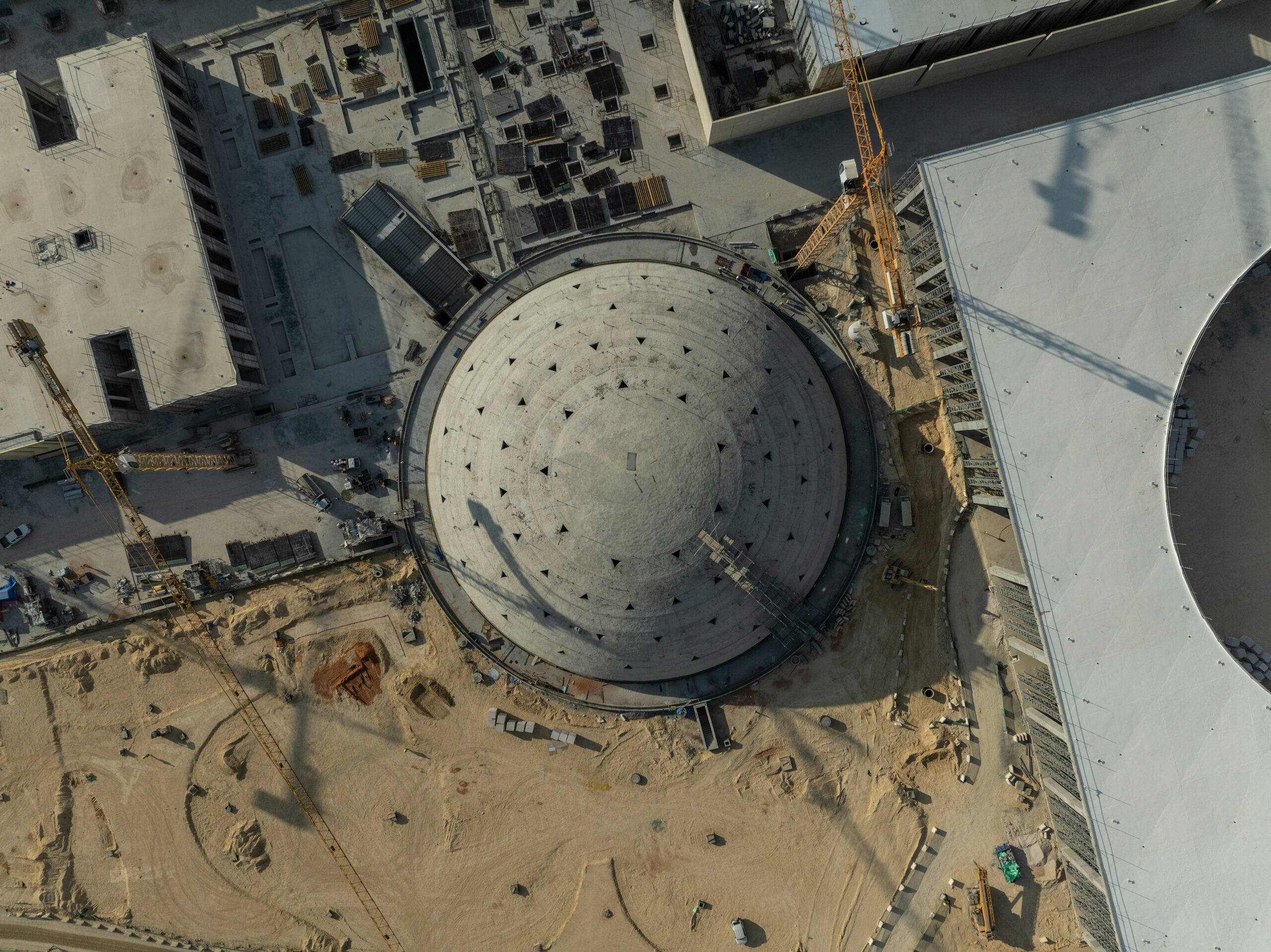
Thirty-three percent. That’s how much less installation work crews now need to complete on a Hualong One 2.0 reactor, compared with the design it replaces. Workers broke ground this month on the first demonstration units of the upgraded reactor at the Jinqimen nuclear power plant in Zhejiang province, kicking off construction on a design China National Nuclear Corporation (CNNC) built to fix how crews construct fission reactors, not just how the reactors run once finished. The mobilization meeting and first excavation blast happened on September 9, worth pausing on since construction delays and cost overruns, not reactor physics, have blocked new nuclear plants for decades.
What Hualong One 2.0 Changes Under the Hood
Hualong One 2.0 builds on the original Hualong One, a pressurized water reactor design with ten units already generating power commercially, with regulators having approved 37 more for construction. CNNC didn’t start from scratch; engineers spent years mining feedback from those operating units and folded the lessons back into the blueprint. The results show up across the numbers: pipeline length falls by roughly 31%, process valves drop by about 25%, and the nuclear island, the densest, most expensive part of any plant, shrinks in volume by 21%. Overall installation volume falls by a third. “This is not a brand-new technology developed from scratch, but rather a systematic upgrade in quality and efficiency built upon a mature design,” said Niu Wenhua, chief expert on the Hualong One 2.0 program, describing gains across five areas: safety, construction schedule, capital cost, operations, and environmental impact.
Automation Does the Heavy Lifting
Automation ties much of this together. CNNC raised the unit’s automated operation ratio by 66%, letting fewer workers manage more of daily operations while cutting the manual steps that slow construction and invite error. Pair that with 100% localized sourcing for key equipment, and Chinese builders get a reactor they can assemble faster without waiting on imported parts, which is exactly the kind of speed a fast-growing industrial region needs from its power supply.
Safety Margins Got Wider, Not Narrower
Cutting steel and shortening schedules usually raises a fair question: what happens to safety? CNNC says the opposite occurred. Engineers optimized 14 safety features and improved nine key safety indicators. Reactor operators can now go 72 hours without intervening after an accident, then rely on seven days of self-sustaining capability before needing outside support, a meaningfully longer buffer than most reactors offer. China’s fleet has leaned on this build-then-improve approach before; the Haiyang 3 reactor cleared its own major safety milestone the same way, refining a proven design instead of reinventing it.
Why a Factory Owner Should Care About Steel and Valves
Less steel, fewer valves, and less on-site labor all translate directly into a cheaper megawatt by the time the plant starts selling power, and a cheaper megawatt is what eventually shows up as a more stable industrial electricity rate. CNNC now plans six Hualong One units for the Jinqimen site alone, adding up to roughly 7.2 GWe of capacity and about 55 TWh of annual generation once complete, enough new supply to matter for the whole regional grid a Zhejiang manufacturer depends on. Chinese builders are also testing other ways to shrink schedules, like 3D-printed pressure vessel components that cut manufacturing time.
What to Watch Next
None of this guarantees Hualong One 2.0 hits its targets. Crews still need to build, test, and connect demonstration units to the grid before the paper gains become real ones. China General Nuclear Power Group is pursuing its own Hualong One 2.0 demonstration at the Taipingling plant in Guangdong, which China’s State Council approved in July, so watch both sites for whether the promised savings actually show up in the final construction numbers. If the design delivers even part of what CNNC promises, it offers something rare in nuclear construction: a plant that’s cheaper and faster to build without asking regulators to accept less safety in return.
Source: World Nuclear News