
Georgia Power customers spent years paying a “nuclear construction” surcharge on their bills before the Vogtle expansion ever generated a watt, a direct result of a project that ran seven years late and $17 billion over budget. A lot of that delay traced back to waiting on custom-forged components. A new manufacturing trick out of two national labs is aimed at killing that wait entirely.
What Two National Labs Just Printed
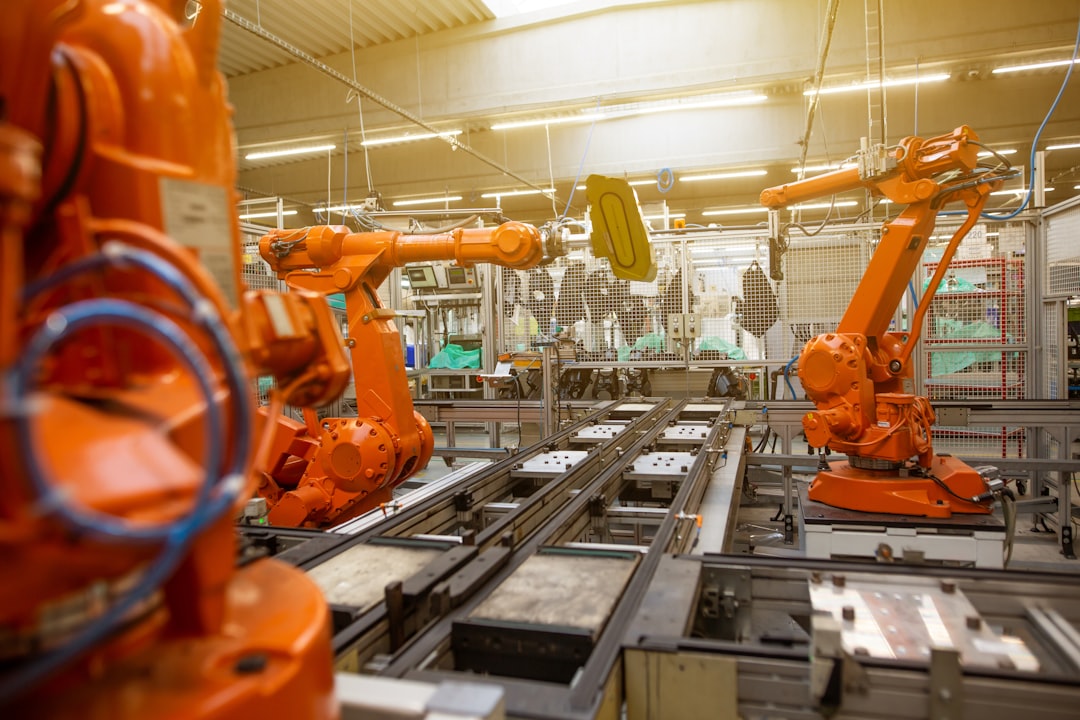
Oak Ridge National Laboratory and Idaho National Laboratory teamed up to build 3D-printed nuclear pressure vessels using a technique called wire arc additive manufacturing, according to ORNL. In July 2026, ORNL scientists printed a small pressure vessel, about 3 feet by 5 feet, out of a nuclear-grade steel alloy, using ORNL’s MedUSA platform, which coordinates three robotic welding arms that melt wire feedstock with electric arcs and build the vessel layer by layer. It sounds simple. Pulling off a large, closed vessel that can hold up under reactor conditions is not.
Why This Actually Speeds Up Reactor Construction
Forging a large pressure vessel the traditional way takes years. Only a handful of foundries worldwide can do it, and the US has limited domestic capacity. That bottleneck slows down every advanced reactor project waiting on a vessel, and every year of delay tends to show up later as a rate increase, since utilities typically recover financing costs from customers over the life of the plant.
Wire arc printing sidesteps the bottleneck. It builds parts faster than forging and uses existing robotic welding equipment instead of a massive forging press. ORNL and INL also folded in AI-driven monitoring, so engineers catch flaws while a vessel is still being built rather than during post-production testing, cutting the inspection time a part needs before it ships. Robert Wagner, ORNL’s associate laboratory director, put the goal directly: “By working with industry to demonstrate, validate, and qualify advanced manufacturing technologies, we can reduce risk, accelerate deployment, and strengthen the domestic supply chains.”
The same MedUSA printer and steel alloy already produced neutron sensor brackets for Antares Nuclear’s Mark-0 microreactor. That earlier project proved the process works on smaller components. Printing a pressure vessel scales the idea up to one of the biggest, most safety-critical parts in any reactor.
What This Means for the Next Vogtle
The US wants to quadruple nuclear capacity by 2050, and that goal runs straight into the same forging capacity problem that helped blow Vogtle’s budget. If wire arc printing holds up under further testing and certification, reactor developers get a second path to a critical component instead of waiting in line at the same few forges. TerraPower’s own component-sourcing deal with Doosan Enerbility shows how much reactor timelines already hinge on getting hardware built on time. Faster vessel manufacturing could ease that pressure industry-wide, which is exactly the kind of unglamorous fix that keeps the next big nuclear project from turning into a decade-long rate hike.
Watch whether this printed vessel passes the certification testing that decides if it’s strong enough for an actual reactor. That’s the step between an impressive lab demo and a part a utility can actually order. Urenco’s expanded US enrichment plant tackles the fuel side of the same supply chain squeeze; wire arc printing tackles the hardware side.