
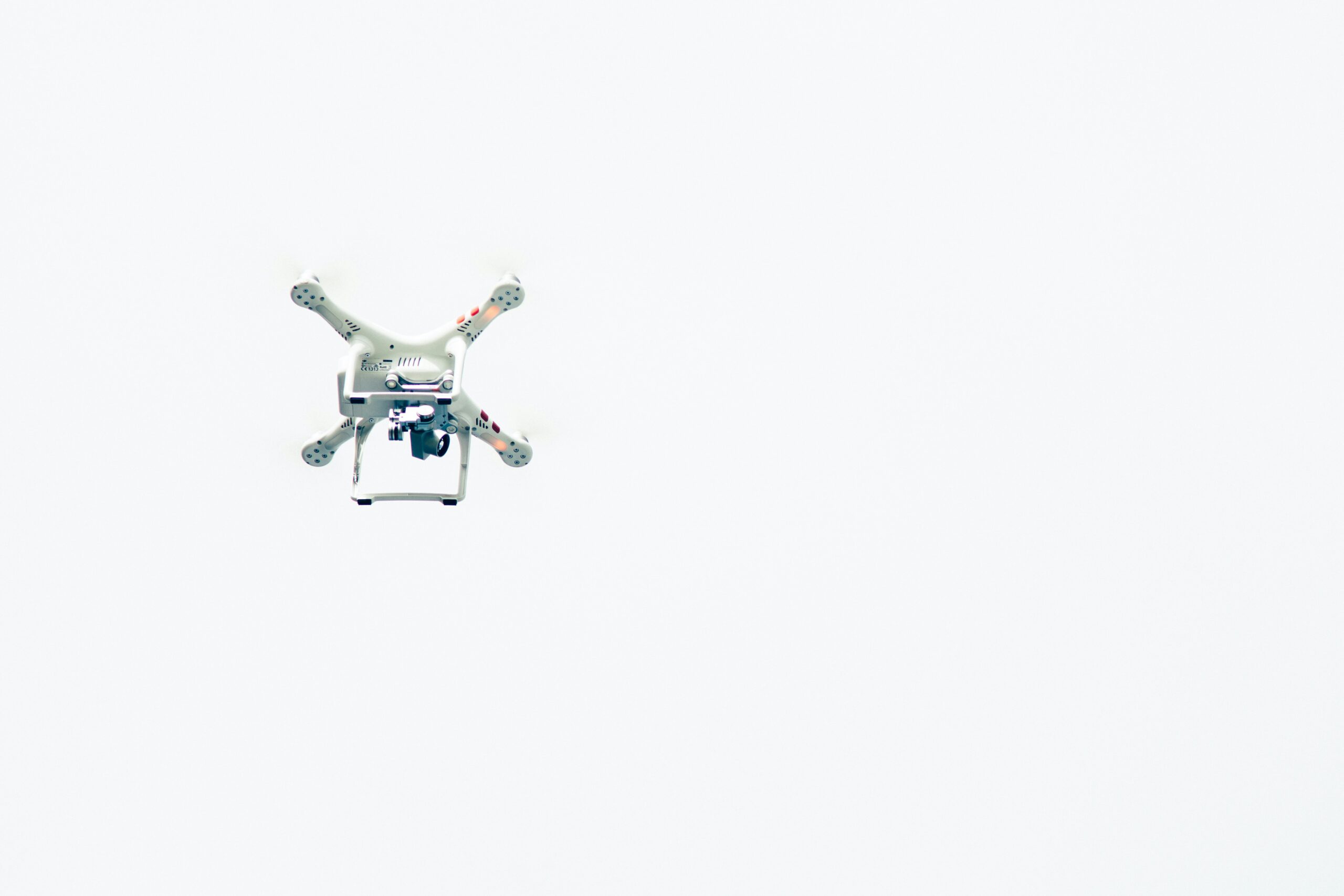
Picture Maria, a home health aide in Frisco, Texas, finishing a twelve-hour shift at 8:45 p.m. Her feet ache and the last thing she wants is a drive-through line. She opens DoorDash, orders dinner, and twelve minutes later a drone sets her meal down in the backyard. Still warm. No driver, no wait in traffic.
That kind of delivery just got more common, and cheaper. Flytrex already flies drones across Dallas-Fort Worth with DoorDash. This month it rolled out a system that pushes drone delivery costs down by 60 percent and cuts delivery times roughly in half. For a family ordering dinner a few nights a week, that is real money back in the budget, not a marketing line.
The Slow Part Was Never the Flying
Flytrex co-founder and chief product officer Amit Regev put it plainly: “The truly challenging part has never been the flight. It’s the last few hundred feet between the kitchen and the aircraft.” Until now, a restaurant worker had to physically carry each order from the kitchen to a launch pad before a drone could take off. That short walk added minutes and labor cost to every single trip.
Flytrex fixed it by putting the drones on the restaurant roof before the order even arrives. Predictive AI tracks demand patterns, weather, and time of day, then pre-positions idle drones at the busiest kitchens. When an order comes in, staff hook the food to a low-hanging cable in seconds. No launch pad. No dedicated ground crew standing around.
Who Gains From Cheaper Drone Delivery Costs
This is not just a win for restaurant margins. Lower operating costs tend to show up as lower delivery fees. Faster turnaround also lets the service run longer hours, from 8 a.m. to 9:30 p.m., covering early risers and late-shift workers, not just the dinner rush.
- Parents working two jobs get dinner on the table without a store run.
- Older adults and people who do not drive gain an option that does not depend on a rideshare or a favor from a neighbor.
- Households in Little Elm and Frisco, more than 30,000 of them, get coverage that traditional delivery apps often skip because the drive times do not pencil out.
DoorDash Labs’ Harrison Shih said the bigger payloads and longer hours “allow us to serve more customers, more efficiently, than ever before.” That efficiency is the whole point. Cheaper flights mean DoorDash and Flytrex can justify covering more addresses, not just the densest ones.
Bigger Than One Dallas Suburb
Flytrex already has more than 100 rooftop docks going in, with plans to keep growing through the rest of 2026. Uber and Zipline’s drone delivery service is chasing the same goal from a different angle, so this is not a one-company experiment. It is a real shift in how affordable, fast delivery reaches neighborhoods that traditional courier routes tend to skip.
“Your food arrives hot or cold as intended, and you get contactless delivery right to your backyard.”
That is Flytrex co-founder and CEO Yariv Bash, and it captures why this matters beyond the tech specs.
I have watched drone delivery promise a lot over the years without much to show for it. This feels different. The savings come from redesigning the operation, not a temporary subsidy, so the discount can stick around.
Keep an eye on whether your city shows up on Flytrex’s expansion map next. If it does, expect a cheaper, faster delivery option on the nights when driving out for dinner is the last thing you want to do.