
Yewande runs a small fabric shop in Lagos, and every few weeks she wires money to a supplier in Accra for new stock. That payment used to sit for two or three days, hopping through a chain of correspondent banks before it landed. Her shelves waited. Her customers waited too. Now Flutterwave’s stablecoin payments are cutting that wait down to minutes.
Flutterwave processes more than $40 billion a year across Africa. TechCabal reported on September 14 that the fintech quietly built stablecoin rails into two apps people already use: Send App and Flutterwave for Business. The system plugs USDC, USDT, and RLUSD into five blockchains behind the scenes. A shop owner in Lagos never has to touch a crypto wallet to benefit.
A Payment Rail Nobody Has to Notice
The point of this rollout is that you shouldn’t notice it. Mercy Emmanuel, who leads Flutterwave’s stablecoin work, put it simply:
“The stablecoin is the rail, not the product.”
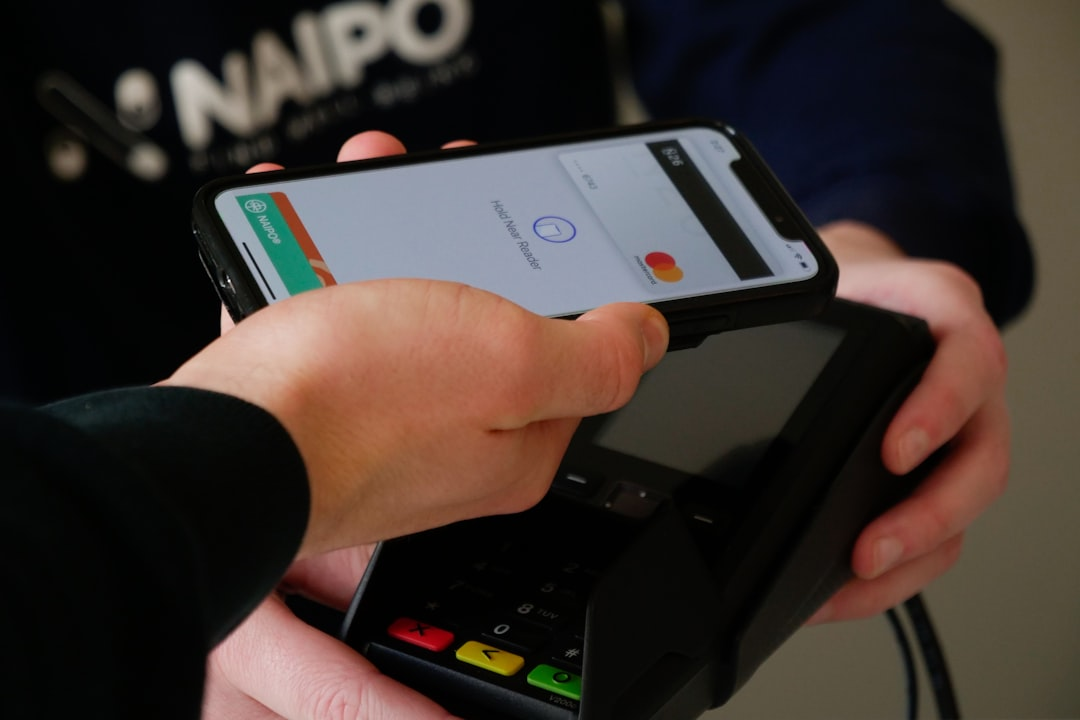
A business accepts a payment in dollars, naira, or a stablecoin, and the app treats them the same. No blockchain jargon. No separate account. No learning curve. It works the way Apple Pay or Venmo works: quietly, underneath a button you already tap.
What Flutterwave’s Stablecoin Payments Mean for Real People
For Yewande, minutes instead of days changes her week. Money that used to sit trapped in a foreign account now settles fast enough that she can restock the same afternoon a customer asks for a new print. On thin retail margins, that’s the difference between making a sale and losing it to the shop down the street.
Fees matter too. Flutterwave’s pricing page shows international card payments running about 4.8% across much of Africa, against roughly 2% for local Nigerian cards. On a $500 supplier payment, that gap separates losing $24 from losing $10. The $14 difference stays in Yewande’s pocket.
Family remittances tell a similar story. Picture Kwame, a delivery driver in London who sends $200 home to his mother in Accra every month. Remittance costs to sub-Saharan Africa run close to 7%, more than double the United Nations’ 3% target. A Solana Foundation report published this month puts the global average at 6.49% on a $200 transfer, and notes that 1.3 billion adults worldwide still lack a bank account. Nearly half of them carry a smartphone, and a stablecoin only asks for a phone.
What actually changes for someone using rails like these:
- Settlement lands in minutes instead of days, so shops restock faster and families get help sooner.
- Fees stay fixed and visible instead of hiding inside a bad exchange rate.
- Nobody has to open a crypto account or learn what a blockchain is.
- The rails already reach 34 African markets, with more corridors expected next.
The Fine Print Worth Reading
None of this is fully proven yet. Flutterwave hasn’t published hard numbers on how much cheaper a stablecoin transfer is. The system leans on partners like Yellow Card and Bitso to turn digital dollars into local cash, so speed and savings vary by corridor.
Still, this isn’t just a Flutterwave story. A few time zones east, Kenya’s M-Pesa is quietly running stablecoins under the hood for its own users. Elsewhere, apps like World Money are making cross-border transfers free and instant. Piece by piece, sending money across a border is starting to look less like a multi-day ordeal and more like sending a text.
If you send money home, or run a small business that pays international suppliers, ask your bank or payment app one question this month. How fast does your money actually move, and what does that speed cost you?