
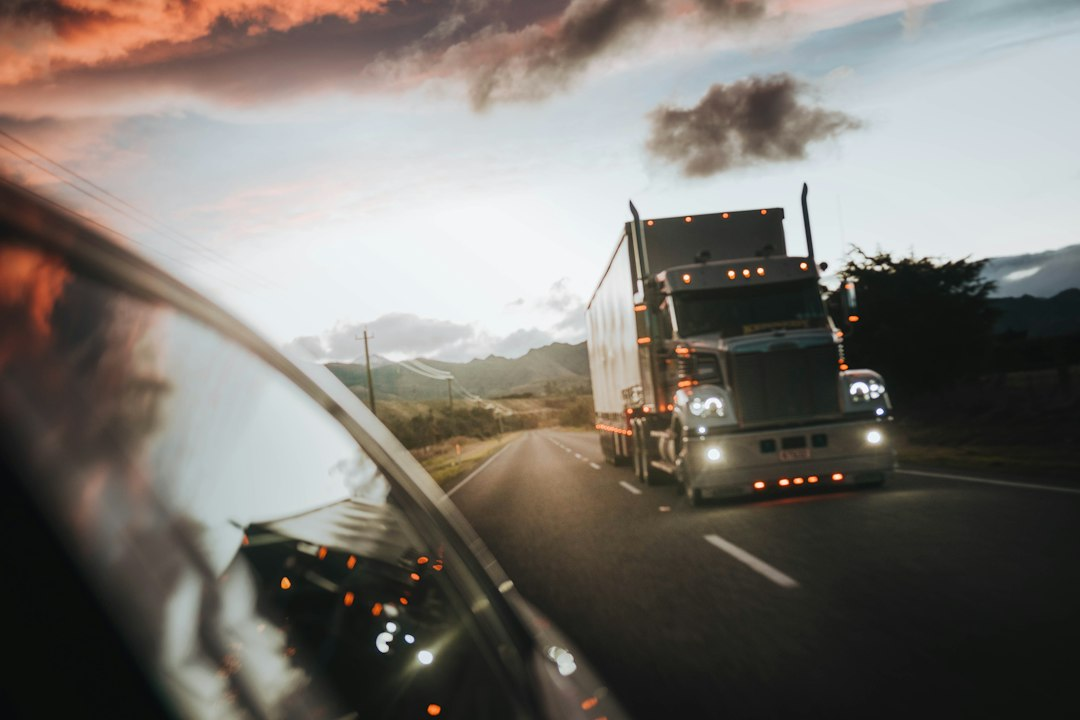
A driverless semi can now rack up 225,000 miles a year, nearly double what a human-driven truck logs. Aurora Innovation shared that comparison this week at its 2026 investor day in Dallas, alongside a bigger number: Aurora driverless trucks have now completed more than 500,000 fully autonomous miles on public highways, with nobody behind the wheel.
Easy to skim past as tech-industry noise. It shouldn’t be. It says something real about who gets hurt on our highways, and what you pay for what shows up at your door.
The Trucks That Never Call In Tired
Long-haul trucking has always run on exhaustion. Drowsy driving factored into 13% of serious large-truck crashes, according to the Federal Motor Carrier Safety Administration. Federal regulators projected that tighter rest rules would prevent roughly 1,400 crashes and save 19 lives a year, just by forcing more sleep. Aurora’s trucks skip that trade-off entirely: no nap, no coffee, no mandatory stop.
Aurora put analysts in the passenger seat for a live run on its Dallas to Houston route, according to reporting on the event. CEO Chris Urmson called it a turning point:
“Transformative technologies develop for years before reaching a decisive commercial inflection point. Aurora has arrived at that moment.”
Picture a family driving home from a late flight, merging onto I-40 at 2 a.m. and holding a safe distance from the rigs around them. A fatigued driver in one of those trucks is a risk they can’t see coming. A truck that physically cannot get drowsy removes that risk, at least on the routes Aurora already runs.
Why Aurora Driverless Trucks Could Shrink Your Bill and Your Wait
This part matters even if you never go near a highway. Picture Denise, who runs a small appliance repair shop outside Knoxville. Her business depends on parts showing up on schedule. A truck that runs around the clock gets them there faster than one that parks for the night.
Aurora’s second-generation hardware also cuts the cost of equipping a truck for self-driving by more than 50%, built to last a million miles. Lower hardware costs plus nearly double the mileage per truck add up to real savings per mile of freight. Competitive pressure tends to push those savings toward shippers, and eventually toward the price on the shelf.
- 500,000+ fully driverless miles completed to date
- 225,000 miles a year per truck, versus roughly 100,000 to 120,000 for a human-driven rig
- 50%+ cut in self-driving hardware costs with the new hardware generation
- 30,000+ driverless trucks in Aurora’s stated vision for 2030
Hirschbach, one of Aurora’s carrier partners, already committed to a 500-truck fleet starting in 2027 under a new “driver as a service” model: the carrier owns the truck and pays only for the driving software. That’s how a safety upgrade reaches more highways instead of staying a coastal pilot program.
From 200 Trucks to 30,000: How Fast This Actually Moves
None of this happens overnight, and I’d be skeptical of anyone who says it will. Aurora’s timeline runs to 2030, and it still has to prove its safety record holds at far greater scale. Analysts at TD Cowen point to Aurora’s growing carrier partnerships as a sign of real demand, not just hype. Regulators are watching too: NHTSA’s new push for shared self-driving safety standards could eventually cover trucks like Aurora’s, not just robotaxis. That oversight should exist before 30,000 driverless trucks share the road with the rest of us.
Watch Hirschbach’s fleet in 2027. If those trucks hold today’s safety record at commercial scale, this stops being one company’s investor day. It becomes the story of how freight moves in this country.