
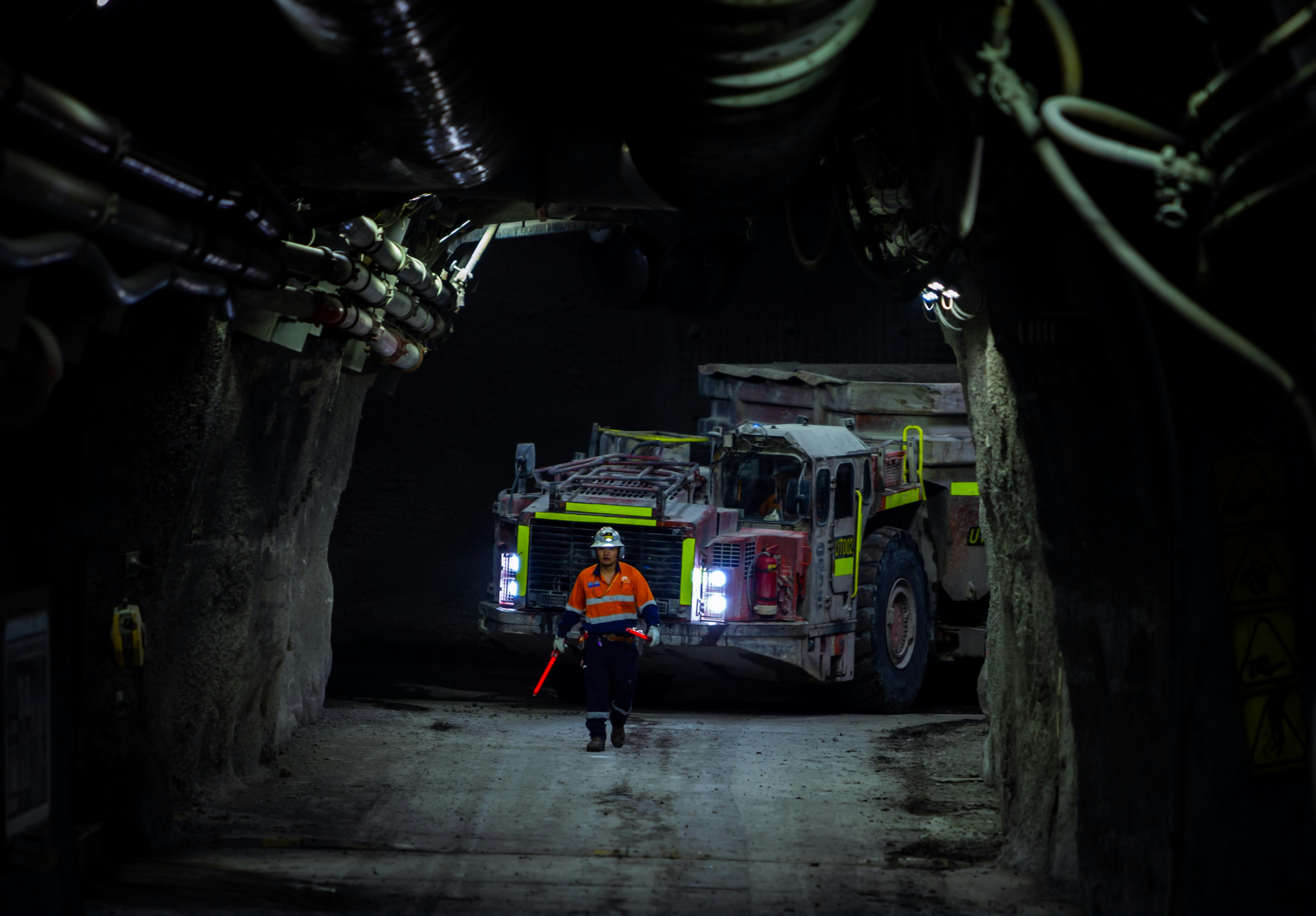
Deep Fission, a California company developing an underground reactor, completed a borehole demonstration on September 3, 2026. World Nuclear News reported it on September 11. The test used a non-nuclear canister. No reactor has been built or fueled.
What happened in the test?
The crew lowered a full-size, non-nuclear prototype canister, 20 feet (6 meters) long, into a borehole 34 inches (86 centimeters) wide. They set it at 100 feet, aligned it and brought it back to the surface. That is about 2 percent of the planned depth: the finished design calls for about one mile (1.6 kilometers).
CEO Liz Muller said “the most important thing about this demonstration is what we did not have to do.” She added that “our innovation is in how we put proven pieces together, not in inventing something that has never been built.” The report on the crew’s standard drilling equipment comes from the company, no independent account of the test turned up, and the article does not name the test site. Because the canister was non-nuclear, the test says nothing about fuel, heat or reactor behavior.
What is the Gravity reactor?
Gravity is a small modular reactor designed to sit in a borehole about a mile deep. The company says it uses pressurized water technology and standard low-enriched uranium fuel, and it rates each unit at 15 megawatts electric. Deep Fission says the water column and surrounding rock provide passive pressure control, cooling and shielding, and that this removes the need for a large above-ground containment building. Those are company claims that regulators have not yet tested against an operating unit.
Why It Matters to You
Nobody can use this power yet, and the reactor is still a plan. If the design works, the company’s pitch is a smaller site without a large above-ground containment building, which could matter first to communities hosting a pilot like the one in Parsons, Kansas. Nuclear work there is not planned until 2027, and DOE authorization comes first.
Where does the regulatory process stand?
The Department of Energy approved a Nuclear Safety Design Agreement for the pilot reactor, and Deep Fission published it on September 15, 2026. The company says this is only the initial safety review step, and DOE needs more documentation and reviews before it authorizes operations. It is not an operating authorization or an NRC license.
The pilot site is the Great Plains Industrial Park in Parsons, Kansas, under DOE’s Reactor Pilot Program. The program had targeted criticality by July 4, 2026, and Deep Fission did not meet that goal, according to the Kansas News Service. Nuclear work at Parsons now waits on a non-nuclear proof-of-concept well program and DOE authorization. For a different approach to speeding builds, see our story on 3D-printed pressure vessels.
Did Deep Fission test a nuclear reactor, and what fuel would it use?
No, it tested a non-nuclear canister of the same size as its planned reactor. The planned reactor would sit about one mile (1.6 kilometers) down, and the demonstration went to 100 feet. Deep Fission says it would use standard low-enriched uranium in a pressurized water reactor design.
When could it operate in Kansas?
The company does not plan nuclear work at Parsons until 2027, and it needs DOE authorization first.
Sources
- World Nuclear News: Deep Fission completes borehole demonstration (Sep 11, 2026)
- Business Wire: Deep Fission Publishes DOE-Approved Nuclear Safety Design Agreement for Gravity Pilot Reactor (Sep 15, 2026)
- World Nuclear News: Kansas site selected for underground reactor demo (Dec 5, 2025)
- Kansas News Service: Underground Kansas nuclear reactor didn’t meet its July 4 goal, but it is still on track (Aug 1, 2026)