
Oak Ridge National Laboratory (ORNL) and Idaho National Laboratory (INL) are working together to make large industrial pressure vessels by 3D printing instead of forging. In July 2026, ORNL printed a demonstration vessel about 3 feet by 5 feet. The labs announced the collaboration on August 19, 2026, at ORNL’s Materials and Manufacturing Innovation Days event. The vessel is a prototype and has not been qualified for use in a reactor.
Forging versus printing
| Topic | Forging (today) | Wire arc printing (the labs’ goal) |
|---|---|---|
| Role | How most industrial pressure vessels are made | A second route to large vessels |
| Capacity | ORNL says domestic forging capacity is limited | Could ease the supply bottleneck if it works |
| Proof the part is good | Relies on testing after production | “Born-qualified”: data gathered during printing helps show the part meets requirements |
| Status | Established | Prototype about 3 by 5 feet, not qualified, early stage |
| Time and cost | No figures in the sources | No figures in the sources |
What the labs printed
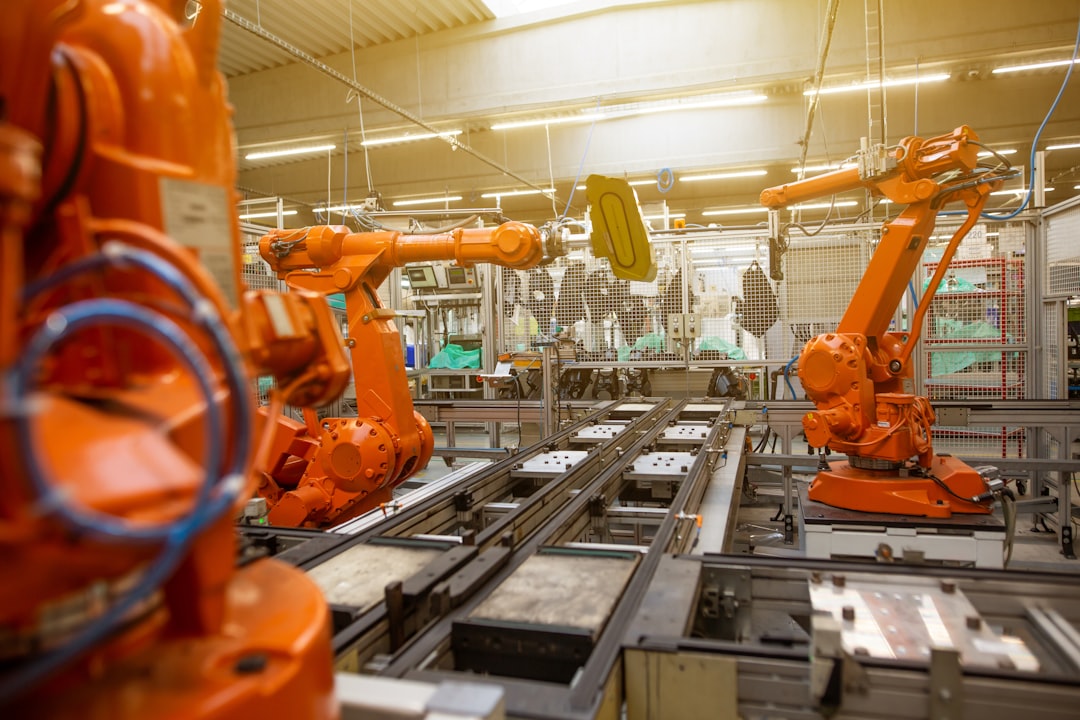
The vessel was made with wire arc additive manufacturing. ORNL’s MedUSA printer uses three coordinated robotic arms. Each melts metal wire with an electric arc and builds the part layer by layer, much like automated welding. ORNL says the printed vessel is large, closed and dome-shaped. It used a steel alloy relevant to nuclear applications, though ORNL’s release does not name the alloy.
The same printer and material earlier produced neutron sensor brackets for Antares Nuclear’s R1 Mark-0 microreactor, which reached criticality at INL in June 2026. That used AI-accelerated production on a small, simpler part. A pressure vessel is much larger and more safety-critical.
Why forging capacity is the target
A second route to large vessels could ease a supply chain problem for advanced reactors, and for industries such as chemical refining, oil and gas, defense and aerospace. Reactor developers already depend on a small set of heavy-component suppliers, as the TerraPower component deal shows.
The longer goal is “born-qualified” components. ORNL’s Patxi Fernandez-Zelaia described the aim as qualifying pressure vessel components with data collected during printing. INL’s Jorgen Rufner said the idea is to evaluate a part’s performance in real time while it is printed. INL will contribute AI, digital engineering and data science.
Where it falls short
The printed vessel is far smaller than a commercial reactor pressure vessel. ORNL reports that researchers are working to show AI tools can verify a vessel’s shape and material properties during printing, but the release does not report that this has been demonstrated, and no qualification of the vessel or the verification methods has been reported. No source gives print time, cost or a comparison with forging lead times, so claims that printing is faster or cheaper are unproven here. The release does not say the vessel is intended for a specific reactor design.
Nor would printing fix every delay. Large nuclear projects have run late for many reasons, and component supply is only one. The Associated Press reported in 2023 that Georgia’s Vogtle expansion came in seven years behind schedule and $17 billion over budget, and did not attribute that overrun to forging.
Why It Matters to You
Most readers won’t notice this directly. If printed vessels are eventually qualified, they could give reactor builders, and industries such as refining, defense and aerospace, another source of large vessels, which could ease a supply chain bottleneck. That is still a research goal, with no date.
Frequently Asked Questions
Can a printed vessel be used in a reactor today?
No. ORNL describes qualification as ongoing work. A vessel needs a documented demonstration that it meets code and regulatory requirements before a utility can use it.
What is wire arc additive manufacturing?
It is a metal 3D printing method. Robotic arms melt wire with an electric arc and deposit it in layers, similar to automated welding.
What does INL contribute?
INL brings AI, digital engineering and data science expertise to monitor and evaluate parts during printing.
What should readers watch next?
Whether the labs publish test data showing the printed vessel’s strength and material properties, and whether any reactor developer commits to using one.
Sources
- Oak Ridge National Laboratory: National laboratory research collaboration focuses on accelerated qualification of critical nuclear components (Aug 21, 2026)
- Associated Press via WTVC NewsChannel 9: Georgia nuclear rebirth arrives 7 years late, $17B over cost (May 25, 2023)